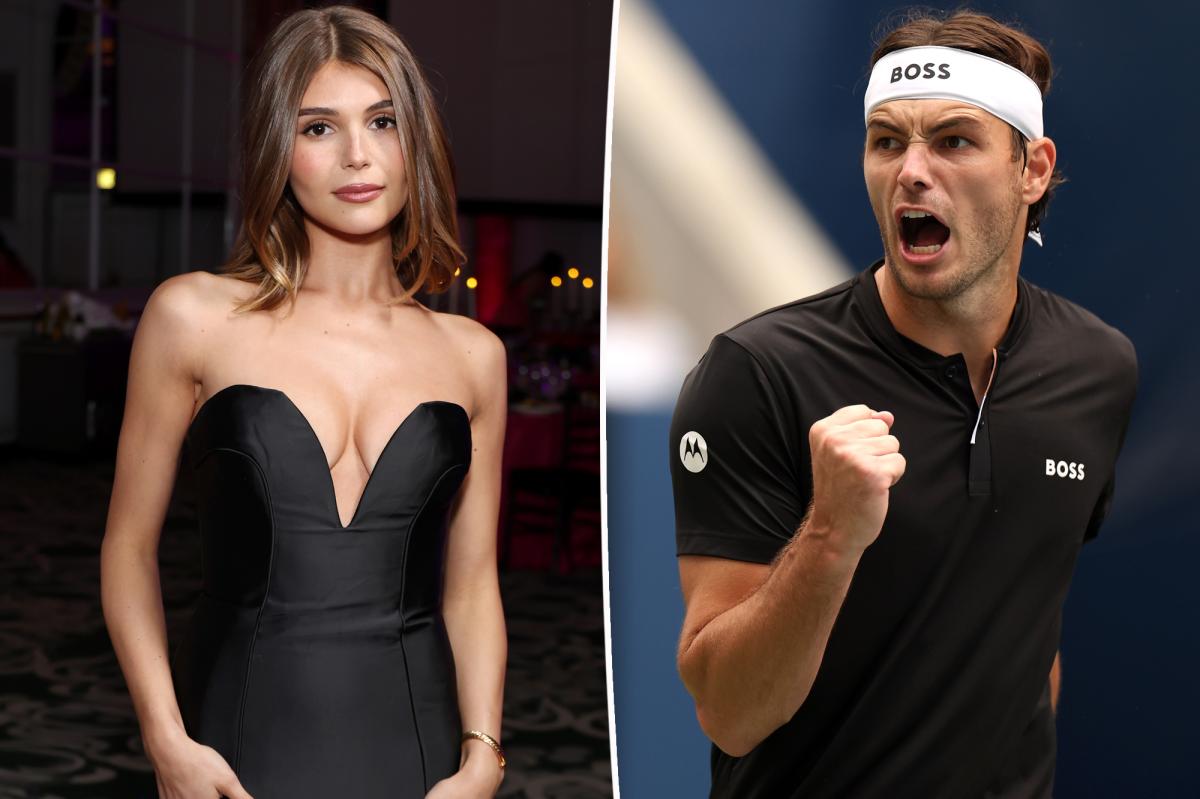
Olivia Jade and Taylor Fritz Fuel New York Romance Rumors
Olivia Jade and Taylor Fritz are the latest pair to find themselves under the celebrity-romance microscope. According to Page Six, the influencer and professional tennis player have been seen spending time together on the streets of New York, prompting speculation that their connection may be more than friendly.
The key word is may. The report points to public sightings, but it does not establish when the encounters happened, whether they were planned dates, or what either person thinks about the relationship chatter. A walk through Manhattan can be a date, a casual hang, a work-adjacent meetup—or simply two famous people existing in the same city without consulting the rumor mill first.
Still, the pairing has obvious gossip appeal. Jade is already familiar with the strange mathematics of public attention, where a few shared appearances can generate a full romantic narrative before anyone involved says a word. Fritz, meanwhile, brings a built-in sports spotlight and a schedule that keeps him moving between tournaments and major media markets. New York sightings make for a particularly glossy backdrop, but scenery is not confirmation.
What matters here is the gap between visibility and certainty. Public figures can be photographed together without being romantically involved, and this report offers no direct statement from Jade or Fritz confirming a relationship. For now, the story is best understood as a possible romance being assembled from sightings rather than a couple making an announcement.
That leaves the rumor in its most tempting, least settled form: two recognizable names, a high-profile city, and just enough shared time to keep people watching. If the pair continues appearing together—or addresses the speculation themselves—the chatter could become something more concrete. At this stage, though, the evidence is still strictly observational.
Tess Holliday Answers Backlash Over Her Yacht Bikini Photo
Tess Holliday is not letting vacation photos become a public referendum on her body. According to E! News, the model faced backlash after sharing a swimsuit image from an Italian getaway—and responded directly to the criticism.
The setting was pure holiday fantasy: Holliday aboard a yacht, enjoying time in Italy, and wearing a bikini. The controversy came from the familiar, exhausting corner of the internet where strangers treat a woman’s body as an invitation for public review. Holliday’s decision to answer back made the post bigger than a standard travel snapshot.
That is the social-media trap celebrities know all too well. A personal image can be met with praise, pile-ons, commentary and headlines before the person who posted it has even left the deck. In Holliday’s case, the reaction also collided with the larger conversation around visibility for plus-size women—especially when they appear confident, glamorous and unapologetically on display.
The appeal of this story is not that a famous person wore swimwear on vacation. It is that Holliday refused to let online critics dictate which bodies are allowed to look carefree in public. Her response puts the attention back where it belongs: on the people policing the photo, not on the woman enjoying the trip.
There is no mystery about why the exchange traveled. Bikini pictures reliably generate engagement, and celebrity clapbacks give those comment sections a second act. But the moment also exposes the stale bargain built into social platforms: post something joyful, brace for strangers to analyze it, then decide whether silence or a sharp reply offers the better ending.
E! News is the sole source in this story cluster, so the details here remain limited to its account of the post, the backlash and Holliday’s response. Still, the message is clear enough: her vacation photo was meant to show confidence, and the criticism did not persuade her to hide it.

Mariska Hargitay Nearly Left Olivia Benson Behind
Mariska Hargitay’s Olivia Benson is one of television’s most recognizable roles—and, for a moment, that visibility appears to have felt less like a gift than a professional trap. Page Six reports that Hargitay considered walking away from Law & Order: Special Victims Unit because she feared becoming a “one-trick pony.”
That anxiety is familiar territory for actors whose signature characters become bigger than almost anything else on their résumés. The role brings instant recognition, but it can also create a difficult question: how do you prove you have range when audiences are deeply attached to the person they already know you as?
Hargitay’s reality check came from Julianna Margulies, who left ER after six seasons. According to the report, Margulies offered Hargitay a blunt perspective on what it meant to be permanently associated with a beloved television character. The exchange apparently forced Hargitay to think beyond the fear of being identified with Benson and consider what that identity had already given her.
That is the juicy tension here: Hargitay was not simply weighing a job change. She was weighing whether preserving the possibility of a broader career mattered more than continuing to inhabit a role that had become central to her public image. In celebrity terms, it is a high-class problem—but still a real one. A defining part can be both a career engine and a very polished cage.
There is also a reason the confession lands now. Benson’s legacy is no longer just a credit on a résumé; it is the lens through which many viewers understand Hargitay’s screen presence. Her hesitation reveals the less glamorous side of television immortality: staying can look safe from the outside, while leaving can feel like voluntarily surrendering the character audiences came to see.
Margulies’ intervention makes the story more than a standard “almost quit” anecdote. It adds a second star’s hard-earned perspective to Hargitay’s career crossroads—and turns a familiar fear about typecasting into a revealing look at how celebrity actors calculate the cost of becoming iconic.