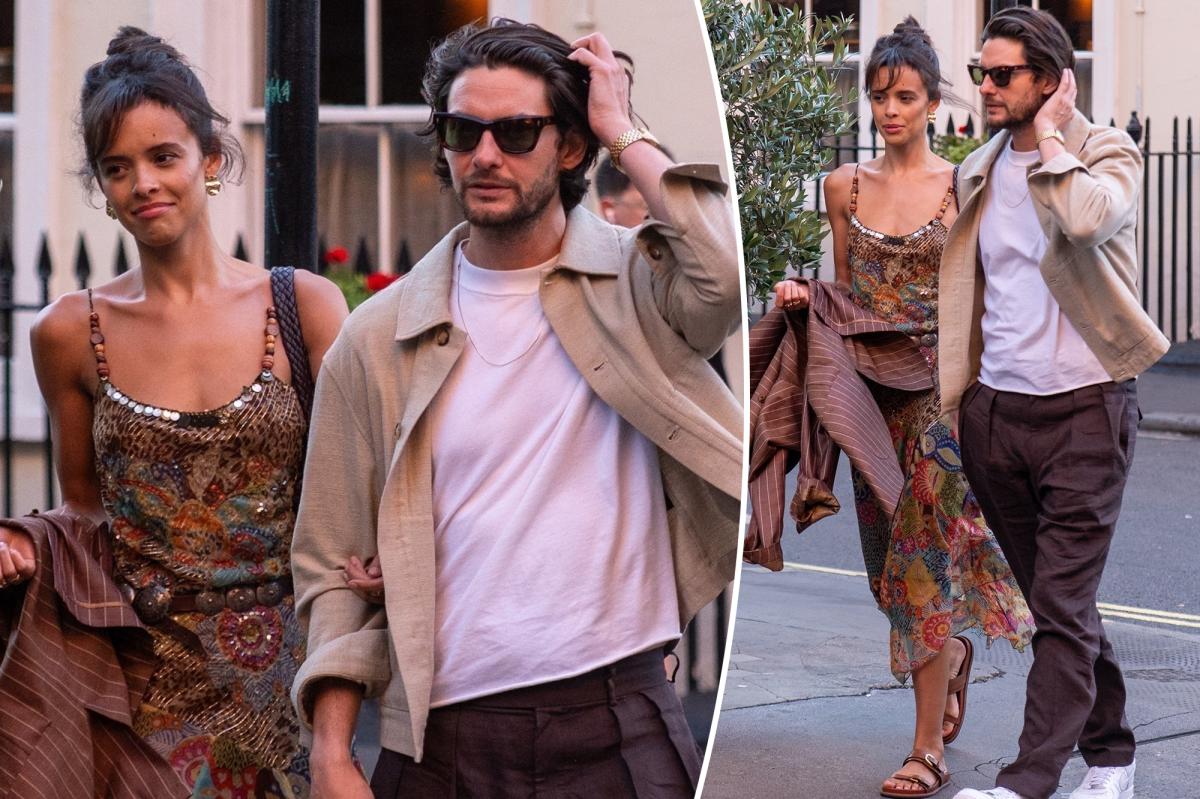
Ben Barnes and Aubrey Cleland Reportedly Engaged
Ben Barnes and Aubrey Cleland may be skipping the oversized celebrity engagement rollout. Page Six reports that the pair are engaged after nearly two years of dating, describing the news as a quiet development rather than a highly publicized announcement.
That low-key approach is the hook here. Celebrity engagements often arrive with a carefully timed photo, a ring close-up, or a social-media caption engineered to survive several news cycles. This report, by contrast, offers a much smaller footprint: a relationship timeline and the claim that Barnes and Cleland have decided to marry.
The length of the relationship gives the news some shape. Nearly two years is long enough for this to read as a considered step rather than a whirlwind headline, while still leaving plenty of the couple’s private life outside the public record. Page Six does not provide additional details about when the engagement happened, whether there was a proposal, or what kind of ring Cleland may be wearing.
It also means the story should be handled with the right level of confidence. Page Six is the only distinct source identified in the available coverage, and neither a direct statement from Barnes nor one from Cleland is included in the supplied report. So this is not a fully documented public announcement; it is a credible-sounding report that has not been independently corroborated here.
For Barnes, the news adds a major personal milestone to the public picture without turning his relationship into a promotional campaign. For Cleland, it marks a new chapter that is being reported largely because of her connection to the actor, not because the couple has offered a full account of their plans. That distinction matters: the engagement is the story, but the lack of ceremony around it is part of the story too.
Until either party confirms the news or more reporting fills in the missing details, the most accurate read is simple: Page Six says Barnes and Cleland are engaged, and the couple has not, based on the information available here, made a broad public announcement of its own.
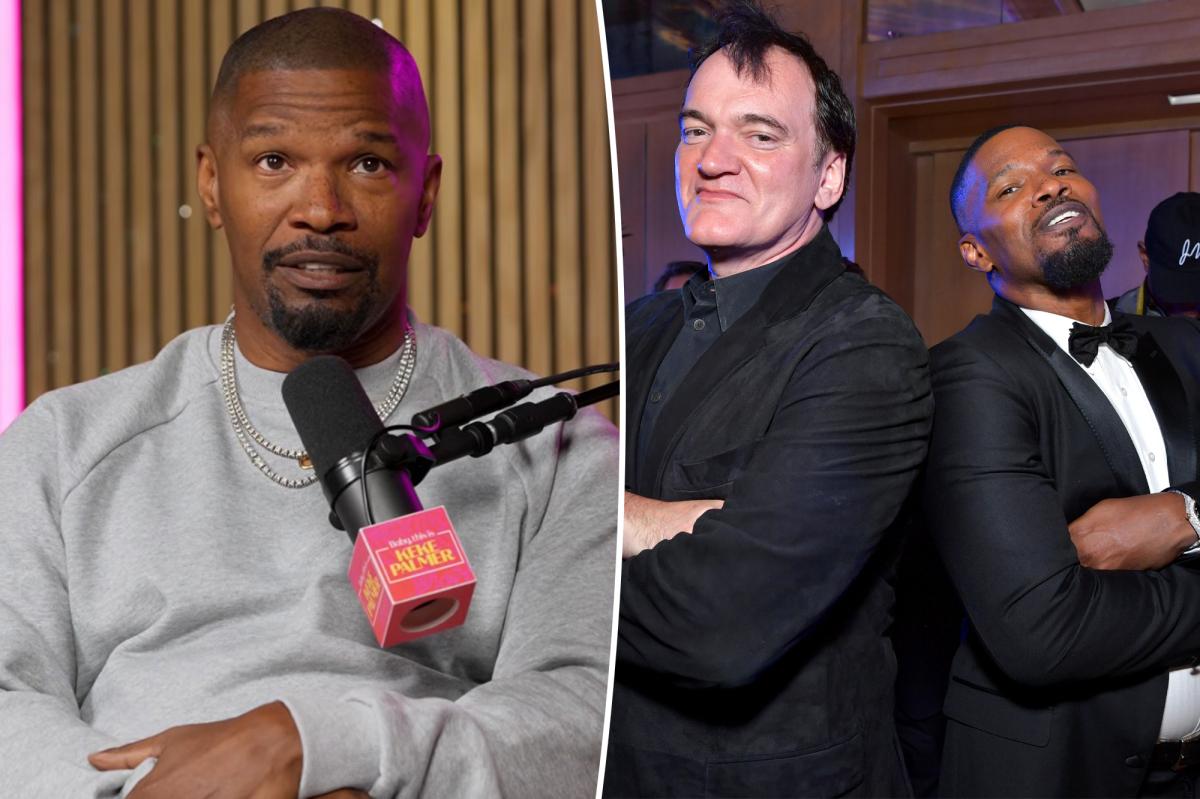
Jamie Foxx Reportedly Asked Tarantino to Cut a Scene
Jamie Foxx may have played a role in keeping one particularly wild moment out of Django Unchained. According to Page Six, Foxx asked director Quentin Tarantino to remove an “outlandish” scene because he wanted to protect a fellow A-list star.
That is the entire tantalizing shape of the report—and, naturally, the missing details are doing most of the heavy lifting. The co-star is not identified in the supplied account, and the scene itself remains undescribed. There is no confirmed explanation of what made the sequence so extreme, whether the concern was personal, creative or practical, or how Tarantino responded beyond the fact that the scene was reportedly cut.
Still, the anecdote offers a revealing wrinkle in the mythology of Django Unchained, a film built around Tarantino’s famously unrestrained storytelling. Foxx was not simply navigating a demanding lead performance; if Page Six’s account is accurate, he was also willing to challenge the director’s instincts when he believed another major performer needed cover.
That kind of intervention can read very differently depending on the missing context. It might suggest loyalty between cast members, a disagreement over taste, or a protective impulse that never became public until long after the movie’s release. Without the identity of the actor or the content of the scene, however, it would be a mistake to inflate the story into a larger backstage feud.
The appeal is obvious: Tarantino, Foxx, an erased scene and an unnamed star create a perfect Hollywood mystery with just enough information to invite speculation. But the responsible read is narrower. Page Six is the sole source in this story cluster, and the available facts support an intriguing behind-the-scenes claim—not a fully documented account of what happened on set.
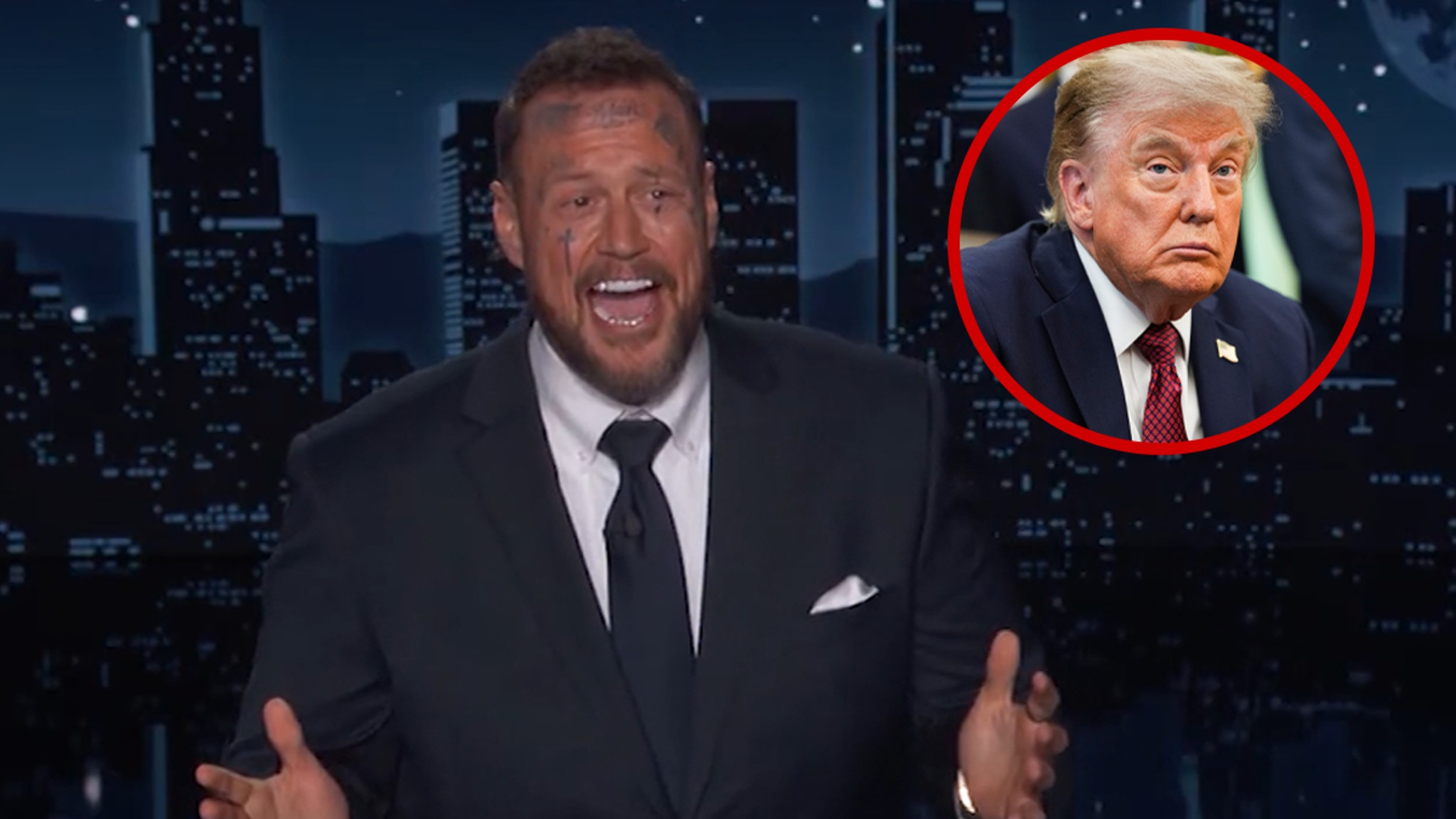
Jelly Roll Takes a Body-Shaming Swipe at Trump
Jelly Roll appears to have aimed a remarkably blunt insult at President Donald Trump, according to a report from TMZ. The alleged message is not subtle: the singer reportedly called Trump a “fat pig,” then added a self-deprecating comparison suggesting they share the same physical trait.
That combination is what gives the story its particular bite. This is not a polished political statement or a carefully lawyered celebrity critique. It is a body-focused jab, delivered in language designed to land hard and travel fast. Coming from Jelly Roll, whose public image has long included candid references to his own body and personal struggles, the line also carries a pointed “I can say it because I’m saying it about myself, too” logic.
The target makes the remark even more combustible. Trump is not merely another famous person in the gossip ecosystem; he is the sitting president and one of the most polarizing public figures in the country. Any celebrity insult directed at him arrives with a built-in audience of supporters, critics and online spectators ready to argue over whether the comment is fearless, funny, hypocritical or simply needlessly nasty.
There is still a frustrating amount of missing context in the supplied report. TMZ’s headline identifies the alleged wording, but does not establish where or when Jelly Roll said it, whether he was responding to a specific Trump comment, or whether the remark came from a longer exchange. Those details matter. A spontaneous quip, a formal interview answer and a private message passed along to a tabloid would each carry a very different level of significance.
For now, the story is best read as a reported celebrity broadside rather than a fully documented political episode. The appeal is obvious: Jelly Roll, Trump and one aggressively unfiltered insult make for instant gossip fuel. But until the surrounding circumstances or a second source emerge, the sharpest part of the story is also the least contextualized.