
Alix Earle Says Family Fought During Reality Show Filming
Reality television is built on access, but family access can come with a very real cost. Alix Earle has acknowledged that her relatives “would fight a lot” while cameras were rolling for her new reality show, according to Us Weekly.
That is a revealing admission from a star whose public persona has largely been shaped through direct, informal access to her life. Earle became a major social-media personality by making audiences feel close to the action; a family reality series raises the stakes by turning that intimacy into an ongoing production.
The important distinction is that Earle’s comment, as reported, does not establish a specific feud, explosive incident or lasting rupture. No details about who was arguing, what triggered the clashes or how the disagreements played out have been supplied here. The confirmed piece is narrower: filming reportedly brought enough tension for Earle to characterize the family dynamic as frequently combative.
Still, “we fought a lot” is exactly the kind of line that can define a reality show before viewers have seen a full episode. Family members may agree to appear because the project is exciting, lucrative or a chance to share their side of a public story. Once production begins, ordinary disagreements can feel different under lights, microphones and the pressure to keep a scene moving.
That tension also creates a tricky editorial balance for the series. Conflict can make unscripted television watchable, but family arguments carry more emotional weight than the usual cast-member squabble. The people involved already have histories together, and any disagreement can land as both entertainment and personal fallout.
For Earle, the admission may be a savvy preview of what the show is willing to reveal. It signals that viewers should not expect a perfectly polished family portrait, while stopping short of offering a scandal that the available reporting does not support. In other words, the selling point may be less “look how flawless everyone is” and more “this family could not keep the peace once the cameras arrived.”
Whether that honesty feels compelling or overly invasive will depend on how the finished series handles the conflict. For now, the family friction is a reported part of the filming experience—not proof of a larger fallout.

Jessi Says Mormon Wives Friendships Are Finished
Reality television thrives on the promise of friendship, then quietly waits for someone to announce that the friendship is over. According to Us Weekly, the Season 5 trailer for The Secret Lives of Mormon Wives leans hard into that familiar pressure point, with Jessi declaring, “There are no friendships left.”
That is not a subtle tease. It frames the upcoming season around a social circle that may no longer function as a circle at all. Instead of a little group chat tension or the standard reality-show cold shoulder, the wording suggests a broader breakdown: alliances have hardened, trust has evaporated, and the cast’s carefully maintained togetherness is looking less like community and more like a group project nobody wants to finish.
There is also a smart bit of reality-TV strategy in the line. Friendship fallout is instantly legible, even for viewers who have not followed every prior disagreement. The trailer does not need to explain every grievance in one sentence; “no friendships left” turns the entire cast dynamic into a question. Who fell out with whom? Which relationships are genuine? And is anyone still capable of sitting through a group dinner without producing a sequel?
Jessi’s wording also gives the season a sharper emotional hook than ordinary promotional chaos. Cast conflict is expected in this genre, but the idea that the underlying bonds have disappeared raises the stakes. Arguments can be repaired for the cameras—or at least repackaged for the reunion. A friendship vacuum is messier. It leaves room for new alliances, strategic apologies and the kind of uncomfortable proximity that keeps viewers watching long after everyone insists they are done.
For now, the available reporting establishes the trailer’s ominous message, not the full story behind it. A trailer is designed to compress conflict into its most clickable form, so the finished season may offer more nuance than that single line suggests. Still, Jessi’s statement is doing exactly what a good reality-TV preview should: making the group’s future feel unstable before the first episode even arrives.
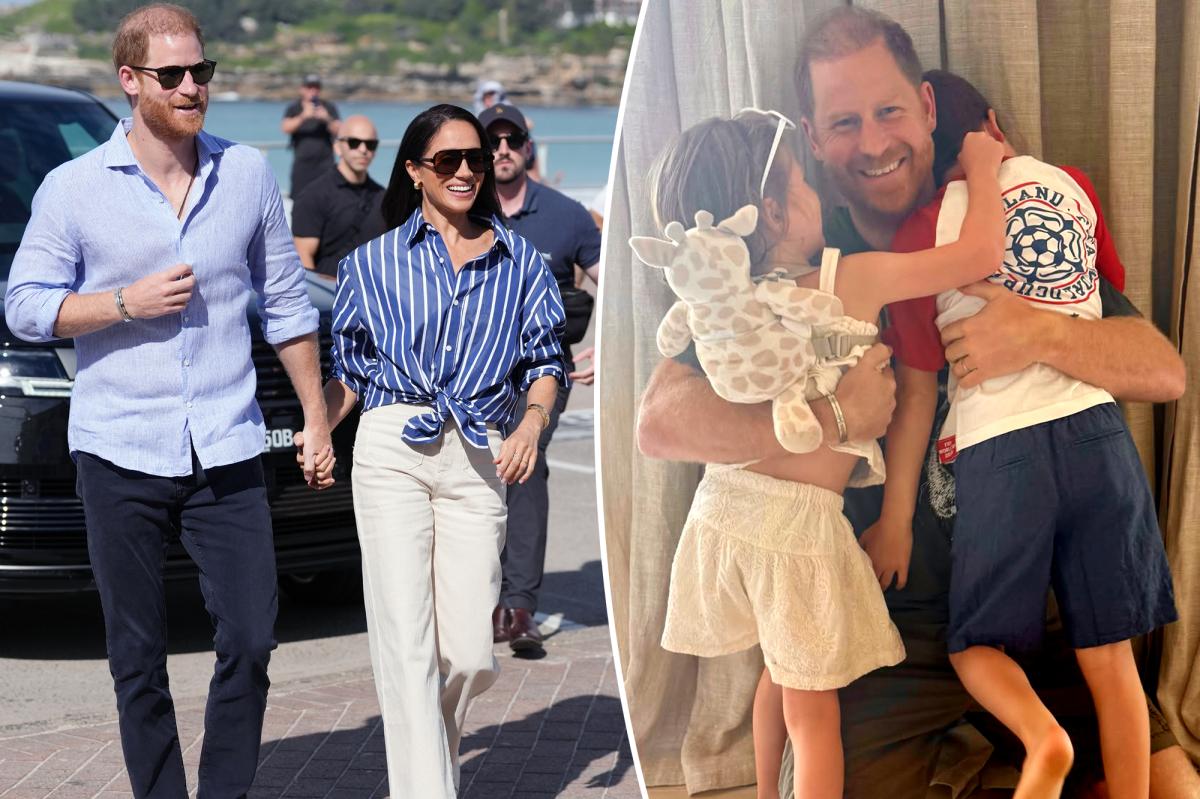
Prince Harry and Meghan Reportedly Plan Extended UK Return
The Sussexes may be trading California sunshine for a much longer stretch of British weather. Page Six reports that Prince Harry and Meghan Markle are moving back to the UK for “an extended period of time,” a lifestyle shift with obvious royal-family implications and plenty of room for speculation.
The key phrase here is “extended period.” That suggests something more substantial than a tightly scheduled visit, but the report does not provide a precise timeline, a permanent relocation announcement, or an explanation for the change. In other words, this is a meaningful move without a fully furnished narrative attached to it yet.
That ambiguity is exactly why the news carries so much weight. Harry and Meghan’s post-royal life has been built around distance from the British establishment, with the couple establishing their home base in the United States after stepping back from senior royal duties. A return to the UK—even temporarily—puts geography back in the middle of a story that has spent years being discussed through statements, interviews and family dynamics.
It also raises the question of access. The Sussexes’ presence in Britain would place them closer to the royal family, but proximity is not the same thing as reconciliation, and the available report does not say whether this move is connected to any particular royal event, family arrangement or professional commitment. For now, anyone treating the address change as a grand reunion is getting ahead of the evidence.
Still, the optics are potent. Harry returning for an extended stay would inevitably revive interest in his relationship with the institution he left behind, while Meghan’s presence would make the move feel like a joint chapter rather than a solo homecoming. The couple may be seeking practicality, privacy, family time or something else entirely; the reason has not been disclosed.
For a pair whose every relocation becomes a referendum on royal relations, this is not a minor change of scenery. It is a new setting for an old, highly watched story—and, at least for now, Page Six is the lone outlet putting the extended UK move on the record.