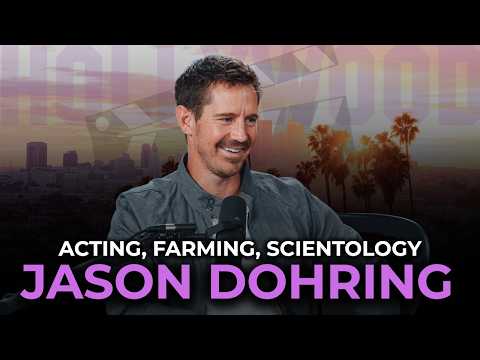
Jason Dohring Trades Acting for Life on a Farm
Jason Dohring appears to be exchanging scripts and sets for soil. The actor associated with Veronica Mars has stepped away from acting to become a farmer, according to a report from Us Weekly.
That is a striking pivot even by celebrity reinvention standards. Hollywood departures are often packaged as temporary breaks, “passion projects,” or carefully branded lifestyle adjustments. Farming is a different proposition: a hands-on career built around routine, physical work and long-term commitment rather than premieres, auditions and keeping one’s name in circulation.
The report says Dohring explained his reasons for leaving acting, which makes this more than a random career update. Still, the available information does not establish every detail of the transition. It does not clarify when he made the change, where the farm is, what he grows or raises, or whether he considers the move permanent.
That distinction matters. “Quit acting” is a clean headline, but public figures can step away from entertainment without closing the door forever. For now, the safest read is that farming has become Dohring’s chosen focus, not that a dramatic Hollywood return has been ruled out.
The appeal of the story is the contrast. Dohring is recognizable through a television world built on mystery, secrets and relentless investigation; farming offers a far less glamorous kind of daily plot, where the stakes are practical and the schedule is dictated by the land. It is also the sort of celebrity update that feels unusually personal because the new career is not merely adjacent to fame—it sits almost entirely outside it.
For fans, the news may prompt understandable curiosity about what led to the decision and whether Dohring will share more about his agricultural life. For everyone else, it is a reminder that the most interesting celebrity career move may be the one that leads away from the spotlight altogether.
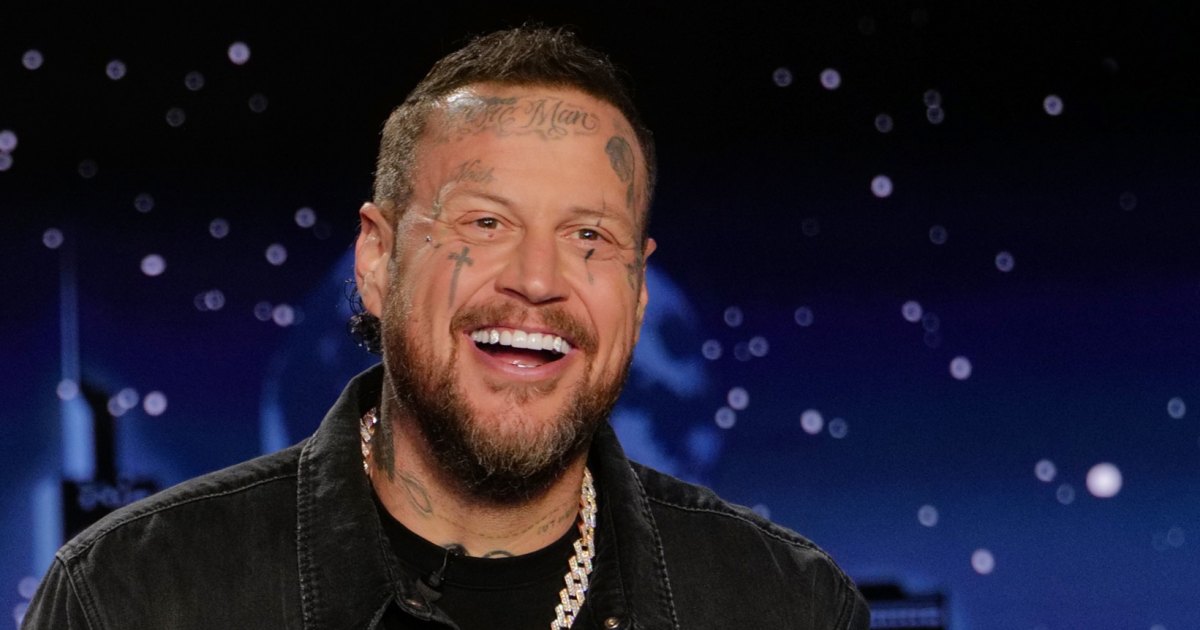
Jelly Roll Clarifies His Politics After Trump Joke Backlash
Jelly Roll is stepping into the political conversation after jokes involving Donald Trump prompted backlash and questions about the country star’s own affiliation. According to coverage from Us Weekly and Perez Hilton, he has addressed the issue rather than letting the speculation hang in the air.
That distinction matters because celebrity politics rarely stays neatly attached to the original joke. A performer can make a crack about a public figure, only to find the audience treating the punchline as a declaration of personal allegiance. In Jelly Roll’s case, the reaction appears to have shifted attention away from the comedy and toward the much more combustible question of what he actually believes.
The reporting frames his comments as a clarification, not a formal political announcement or a campaign-style endorsement. The available details do not establish that he has joined a party, backed a candidate, or launched a broader political project. What they do show is a celebrity trying to separate his comedic material from assumptions about his ballot box.
That is a tricky lane for Jelly Roll, whose public image has long depended on being candid, emotionally direct and resistant to polished celebrity packaging. Those qualities can make an artist feel refreshingly authentic, but they also invite audiences to read meaning into every off-the-cuff line. Once Trump enters the joke, the room gets even less forgiving.
The backlash also illustrates the modern celebrity trap: staying vague can look evasive, while being specific can alienate fans who prefer their entertainers outside the political crossfire. Jelly Roll’s decision to address the question suggests he recognized that the controversy had outgrown the original bit. Whether his explanation quiets the noise will depend less on the joke itself than on whether fans accept the boundary he is drawing between performance and personal politics.
For now, this is a clarification prompted by public reaction—not evidence of a dramatic political rebrand. The most revealing part may be that the joke became news at all: in today’s celebrity economy, even a punchline about Trump can come with an unwanted voter-registration form attached.
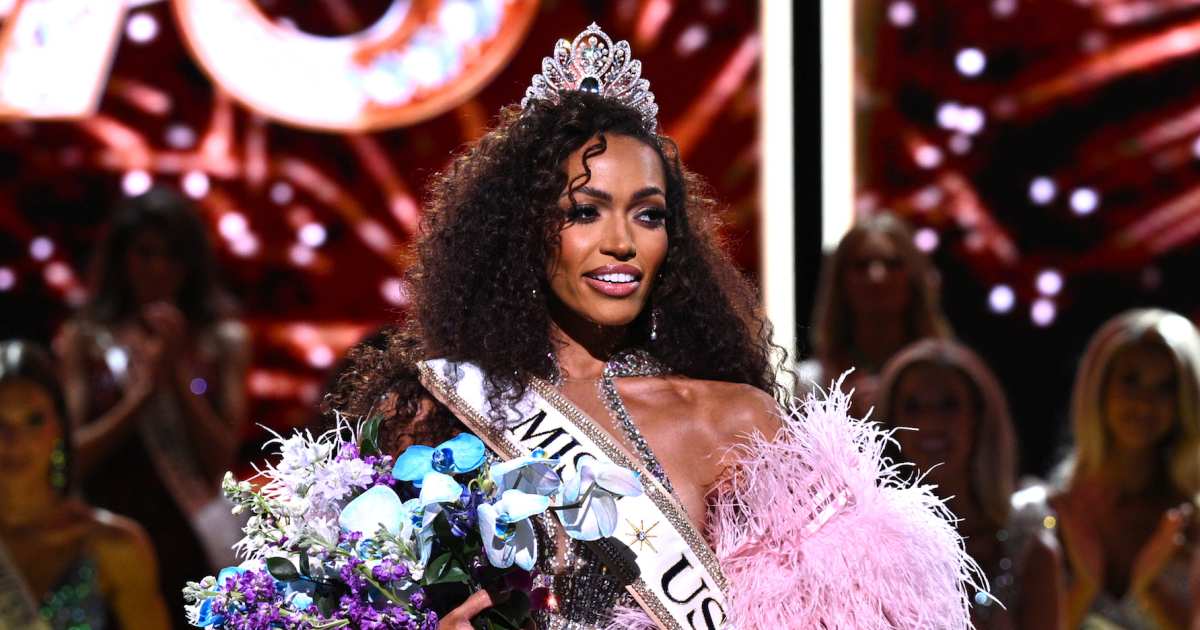
Justus Kelley Makes Miss USA History as a Mom
Justus Kelley has claimed the Miss USA 2026 title for Virginia, and her victory comes with a distinction the pageant has never seen before: she is the first mother to be crowned Miss USA.
That detail transforms a standard pageant win into a genuine cultural milestone. Kelley is not simply taking home a title; she is broadening the image attached to one of the most recognizable crowns in American pageantry. For years, the competition has been closely associated with a narrow idea of who gets to stand at center stage. A mother winning the top prize gives that image a meaningful update.
Us Weekly reported the history-making result, while related coverage from Just Jared also identified Kelley as the first mom to win Miss USA. With multiple outlets reporting the same central fact, this is more than a passing pageant headline or a social-media exaggeration.
The appeal is also wonderfully simple: Kelley managed to pair a traditional glamour-world achievement with a life milestone that has often been treated as separate from the pageant conversation. The crown does not erase motherhood, and motherhood clearly did not keep her from competing at the highest level. That combination is the story.
It is worth noting what makes this development stand out without overcomplicating it. Pageant victories usually arrive wrapped in familiar language about poise, ambition and representation. Kelley’s win adds a concrete first to that formula. She is now attached to a record that will remain part of Miss USA history long after the 2026 ceremony fades from the daily entertainment cycle.
For the pageant, the moment offers a headline with staying power. For Kelley, it establishes an instant piece of public identity: Miss USA and history-maker. And for everyone watching the competition from the celebrity-culture sidelines, it is a reminder that the most interesting crowns are the ones that change the assumptions surrounding them.