
Susan Sarandon Says Palestine Politics Cost Her Roles
Susan Sarandon says her outspoken support for Palestine is still affecting her Hollywood prospects. Speaking at a Venice Film Festival press conference, the actor said she has recently had movie opportunities disappear because agencies were allegedly telling filmmakers not to hire her.
“There are agencies that are telling people not to hire me still,” Sarandon said, according to footage cited by The Hollywood Reporter. She framed the situation as an industry power issue rather than a reflection of public sentiment, arguing that audiences are becoming more informed about the conflict in Gaza even as some Hollywood gatekeepers remain firmly opposed to her politics.
The comments came while Sarandon was promoting The Echo Chamber, an Italian film directed by Andrea Pallaoro. Sarandon specifically thanked Pallaoro for refusing to follow the warnings she described, making the film itself part of her argument: one director, at least, chose the project over the alleged pressure surrounding her views.
That distinction matters. Sarandon’s claim is firsthand, but the available reporting does not independently identify the movies she says were taken away, name the agencies involved, or document specific hiring decisions. The Hollywood Reporter, Us Weekly and Variety all covered the same remarks, which confirms that she made the allegation—not that every underlying career consequence has been proven.
Still, the timing gives the story more bite than a recycled political sound bite. Sarandon is not describing a career retrospective; she says the alleged pushback is continuing, even as she believes the broader public conversation has shifted. Her version of Hollywood’s split-screen reality is blunt: international audiences may welcome her, while major studios and the people controlling access to them may remain less forgiving.
For now, this is a credible account of what Sarandon says happened, not a verified accounting of lost roles. The claim has enough sourcing and specificity to merit attention, but the receipts remain offstage.
Bebe Rexha Pushes Back on “Massive” Breast Commentary
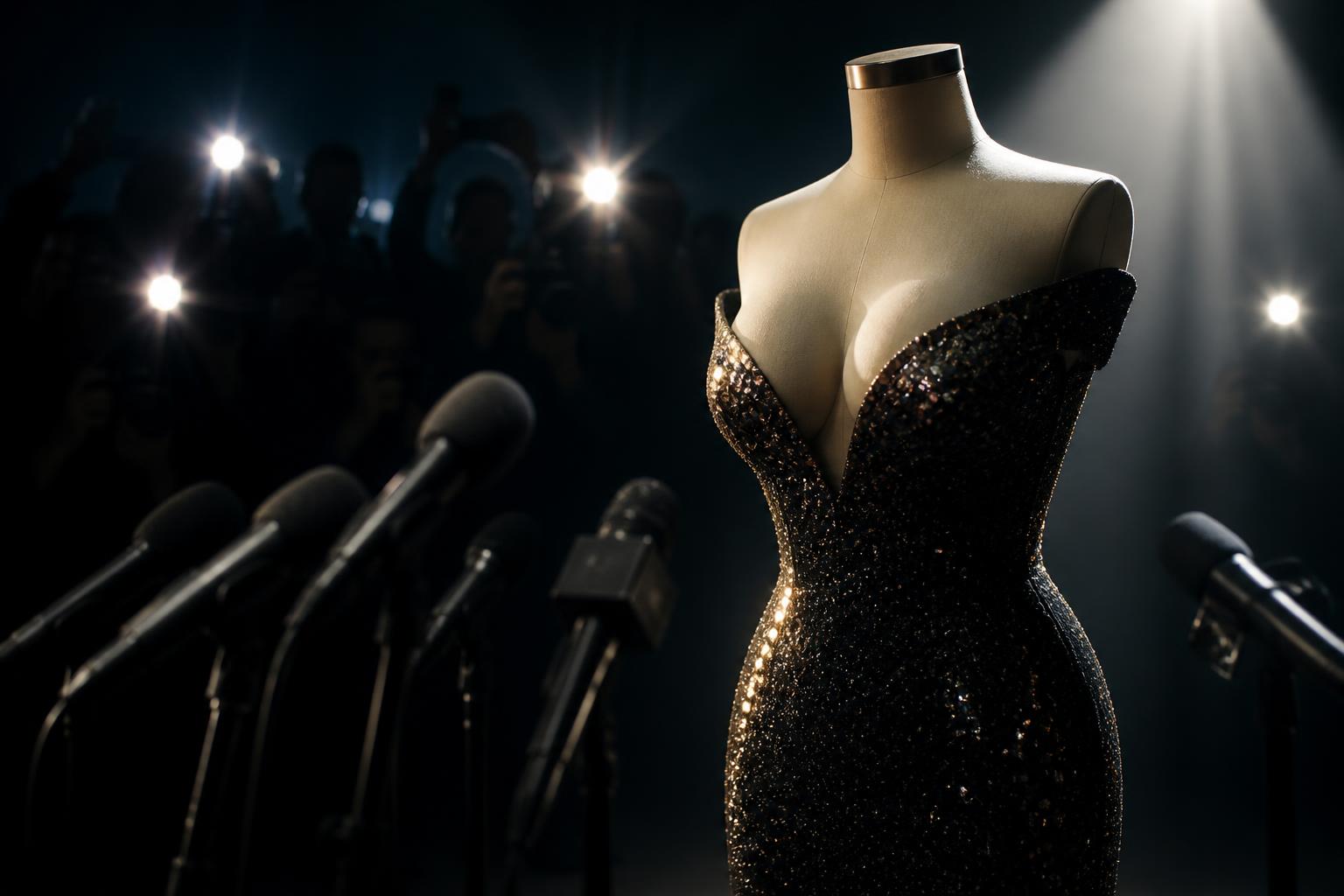
Bebe Rexha is addressing the kind of commentary celebrities are expected to absorb with a smile: strangers turning her body into the headline. E! News reported that the singer responded to remarks about her “massive” breasts, while Us Weekly separately covered her criticism of the backlash surrounding her sexy clothing.
That distinction matters. The story is not simply that people commented on Rexha’s appearance; it is that her choice to dress provocatively became part of the argument. The coverage places her response in the familiar celebrity double bind: look glamorous, and people speculate about your body; push back, and the conversation gets even louder.
With two outlets covering the same basic episode, Rexha’s response appears to be the news—not a new feud, romance, or career announcement. The available reporting does not establish a broader campaign against her, identify every person involved, or provide a full transcript of what she said. It does establish the central point: she objected to the way commentary about her breasts and clothing was being handled.
That makes this a modest but recognizable celebrity-media story. Rexha is reclaiming the frame, refusing to let a conversation about her appearance exist without her perspective attached. The attention may still be about her body, but the sharper angle is her decision to challenge the people making it the subject.
Robert Pattinson’s Chris Hansen Role Has One Very Strange Origin
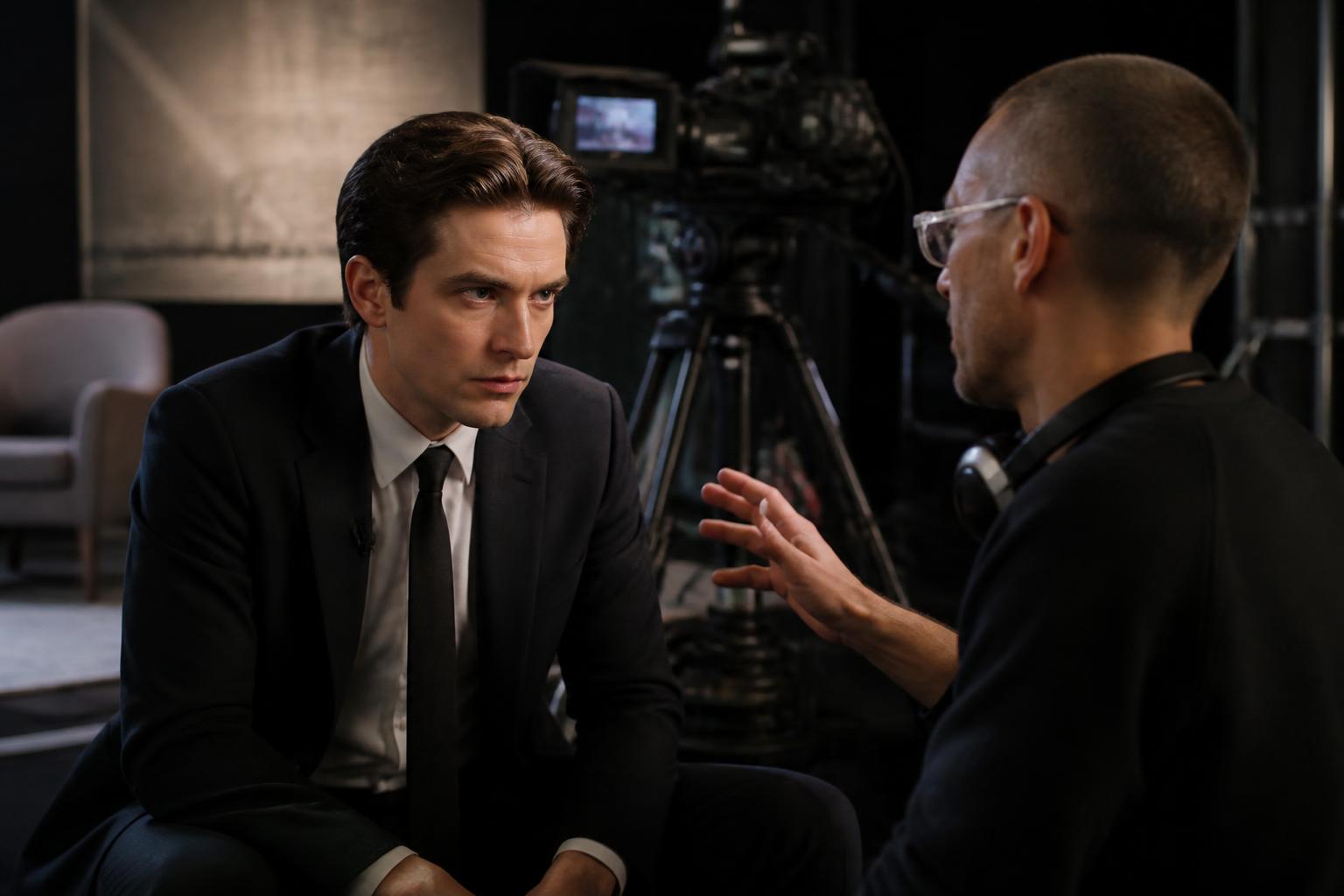
Robert Pattinson’s transformation into Chris Hansen did not begin with a stack of Dateline NBC tapes. According to The Hollywood Reporter, the unlikely spark for Primetime was a Cameo video Hansen sent to director Lance Oppenheim.
Oppenheim, who had already made the 2024 FX documentary Spermworld, received the clip as a gift from his wife. Hansen congratulated him on the documentary, dropped his familiar “have a seat” line, and then began pitching projects of his own. For Oppenheim, that was the revealing part: Hansen appeared not only as the stern journalist audiences remember, but as someone conscious of — and actively performing — his own media persona.
That idea became the film’s central charge. Oppenheim described Hansen as having been absorbed into a constructed version of himself, while the movie places Pattinson inside that performance. The director said the actor repeatedly arrived on set willing to take creative risks that felt almost physically or emotionally dangerous. That helps explain why the transformation has been described as eerie rather than as a straightforward celebrity impersonation.
The project is also personal territory for Oppenheim, who grew up fascinated by Hansen’s To Catch a Predator work. In his telling, Primetime is less a conventional biopic than an examination of how a recognizable public figure can become inseparable from the character he presents to the world. The Cameo was useful precisely because it blurred those categories in real time.
There is a real wrinkle here, though: Hansen has criticized the film and Pattinson’s decision to play him, according to related coverage from Page Six, E! News and Just Jared. The available reporting establishes the existence of that backlash, but not enough detail to treat every interpretation of it as settled fact. For now, the most defensible read is that Pattinson’s performance is deliberately unsettling — and that the film’s strangest element may be its source material, not its makeup.