Below Deck’s Ben Robinson Jumps Into João Franco’s Turkish Legal Drama: ‘Clearly…Self-Defense’
As the reality star remains in custody after a fatal altercation that left a 17-year-old dead, two Below Deck veterans are publicly urging people to look closely at the footage.
The Below Deck universe has officially entered its courtroom-adjacent era, and this time there is nothing fun about the mess.
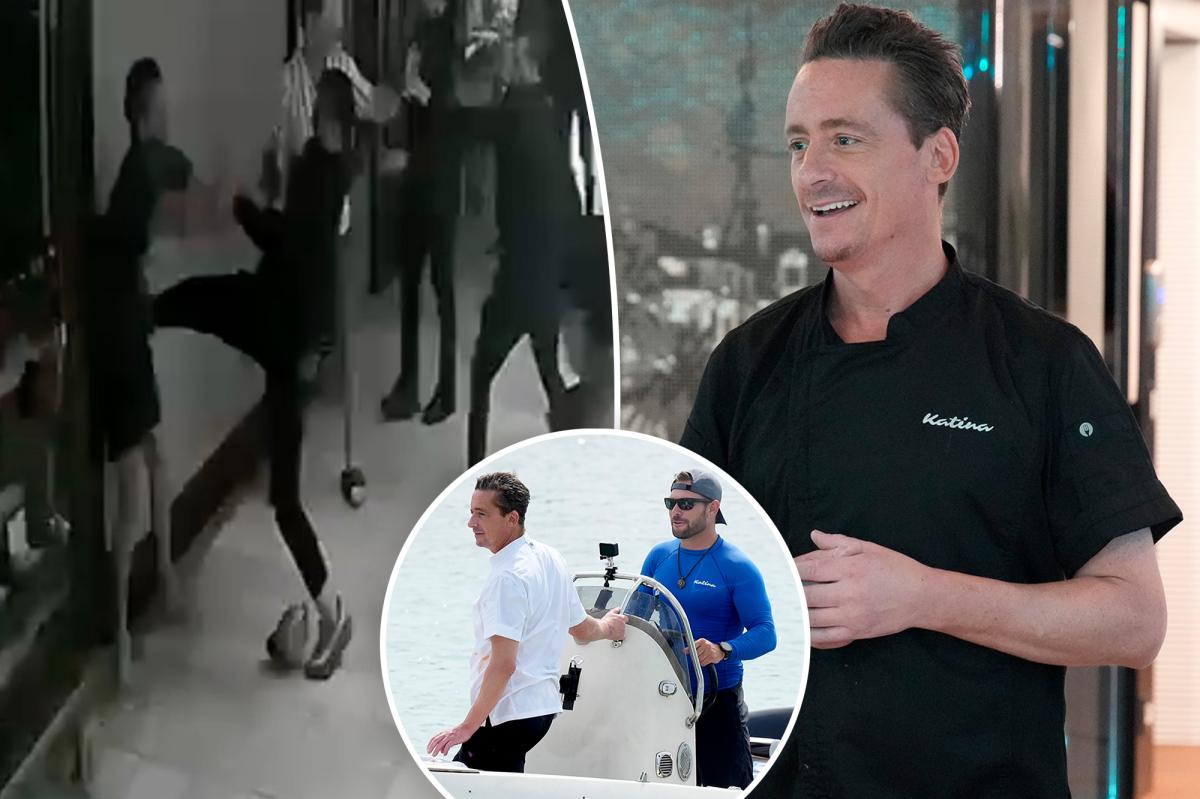
Chef Ben Robinson is speaking out in defense of fellow reality star João Franco, who remains in custody in Turkey after an altercation outside a clothing store ended with the death of a 17-year-old boy. Robinson’s intervention came in the comments on Instagram, where he argued that Franco was attempting to calm the confrontation rather than start it.
“I’m so sorry to hear this,” Robinson wrote Monday, according to Page Six. “Clearly, João was trying to de-escalate the problem. He faced five aggressors upon him, and it was clearly self-defense.”
That is a strikingly definitive position in an unfolding legal case involving a teenager’s death. But it also reflects the complicated reality-TV reflex now surrounding the story: familiar Bravo faces are rallying around one of their own while the public watches the footage and tries to understand how a fight in a Turkish shopping district became a fatal incident.
The night in Bodrum took a devastating turn
Franco, 36, and his brother, Karlos Franco, were involved in an altercation with employees of a clothing store in Bodrum, in Turkey’s Muğla province. Both siblings were taken into custody and, according to Page Six, are awaiting the next steps in the legal process.
Page Six obtained CCTV footage that appears to show Karlos throwing the first punch. João then appears to step into the confrontation, with footage also showing him trying to defuse the situation more than once. At another point, however, he appears to strike a 17-year-old involved in the brawl.
Local outlets reported that the teenager hit his head when he fell. After suffering a severe head injury and cardiac arrest, he was revived, but later died at Muğla Training and Research Hospital.
The details are grim precisely because the footage, as described by Page Six, does not fit neatly into a simple reality-TV storyline with a villainous entrance, a dramatic music cue and a reunion-stage confession. It appears to show an escalating group fight, moments of attempted intervention and a fatal consequence that no one watching a night out could have anticipated.
Ben isn’t the only Below Deck alum defending Franco
Robinson, who starred on Below Deck Mediterranean and Below Deck Down Under, is not the first member of the franchise to publicly support Franco.
Colin Macy-O’Toole also defended him in comments to Page Six last week, saying that, after viewing the footage, his impression was that Franco appeared to be reacting to the situation rather than looking to initiate a confrontation.
“Having seen the video footage, my impression is that João appeared to be trying to defend himself and de-escalate an already escalating situation,” Macy-O’Toole said. “From what is visible, it doesn’t look to me like he was looking to start a confrontation. It looks like he was reacting to what was happening around him.”
Macy-O’Toole also urged people to consider the full context before assigning blame, calling the situation tragic and saying he hoped the facts would emerge before anyone rushed to judgment.
That appeal is landing in a particularly volatile internet climate, where a short clip can become the entire story within minutes. The footage has become the central object of conversation, but video can show movement without explaining every preceding exchange, intention or legal question. In a case this serious, “he stepped in” and “someone died” are not competing captions in a fandom argument; both facts, as currently described by Page Six, sit inside the same horrifying sequence.
A Below Deck storyline with no tidy reunion ending
Franco is a recognizable face to Below Deck viewers, having appeared on multiple seasons of Below Deck Mediterranean and Below Deck Down Under. His on-screen identity has been built around the familiar franchise cocktail: yacht-life glamour, romantic tension, international backdrops and crew drama that usually evaporates once the charter ends.
Now the backdrop is Turkey, the cast is talking in public and the stakes are profoundly different. Franco is not simply dealing with a bad edit or a season-long feud; he is being held while authorities determine what happens next after a fatal altercation. Page Six reported that representatives for the police, prosecutor and Bodrum courthouse had not responded to requests for comment, while Bravo declined to comment.
That silence leaves Robinson and Macy-O’Toole’s statements carrying more cultural weight than they might in an ordinary celebrity dust-up. Their comments are not legal findings, and neither changes the fact that a teenager died. They are public defenses from former co-stars who say the footage supports a reading of Franco’s actions as defensive or de-escalatory.
It is also notable that the support has come from people with direct familiarity with the franchise’s personalities and history. Reality television runs on intimacy-by-edit: viewers may feel they know someone because they watched them flirt, argue, work, drink and panic in a confined environment. That can create a powerful loyalty among cast members—and an equally powerful temptation for audiences to treat personal impressions as a substitute for the full picture.
The internet wants a clean answer. The footage isn’t giving one
Franco’s legal situation is still developing, and neither he nor his representatives are quoted in the Page Six report offering a full account of the incident. His brother is also in custody. The police, prosecutor and courthouse had not responded to Page Six’s requests for comment at the time of publication.
So the story remains suspended between a disturbing video, statements from people who believe Franco was defending himself and the irreversible outcome of the fight. Robinson’s “clearly” may be emotionally understandable as a friend’s defense, but the circumstances are not clear in the way a comment section prefers them to be.
For the Below Deck audience, this is the rare reality-TV scandal that cannot be packaged as a guilty pleasure. There is no glamorous marina, no post-charter debrief and no reunion couch capable of containing it. There is only an ongoing investigation, a family waiting for answers and a cast of familiar faces asking the public to look again at what happened before deciding what it means.
Woody Harrelson Saved Darius Rucker From Drowning — Then Giggled and Said, “Not on My Watch”
A 1990s Hawaii vacation, one treacherous current and the most Woody Harrelson response imaginable have resurfaced in Rucker’s new Hulu documentary.
There are vacation stories, and then there are vacation stories that sound like the opening scene of a very relaxed disaster movie. Darius Rucker went to Hawaii with Woody Harrelson in the 1990s, jumped into dangerous water after being told to move fast, got trapped in a current and began making peace with the possibility that his life was ending. Harrelson, naturally, swam after him.
And when the “Wagon Wheel” singer was finally out of danger, the actor apparently giggled and delivered the line that belongs on a T-shirt, a bumper sticker and possibly a golden Hollywood friendship plaque: “Not on my watch.”
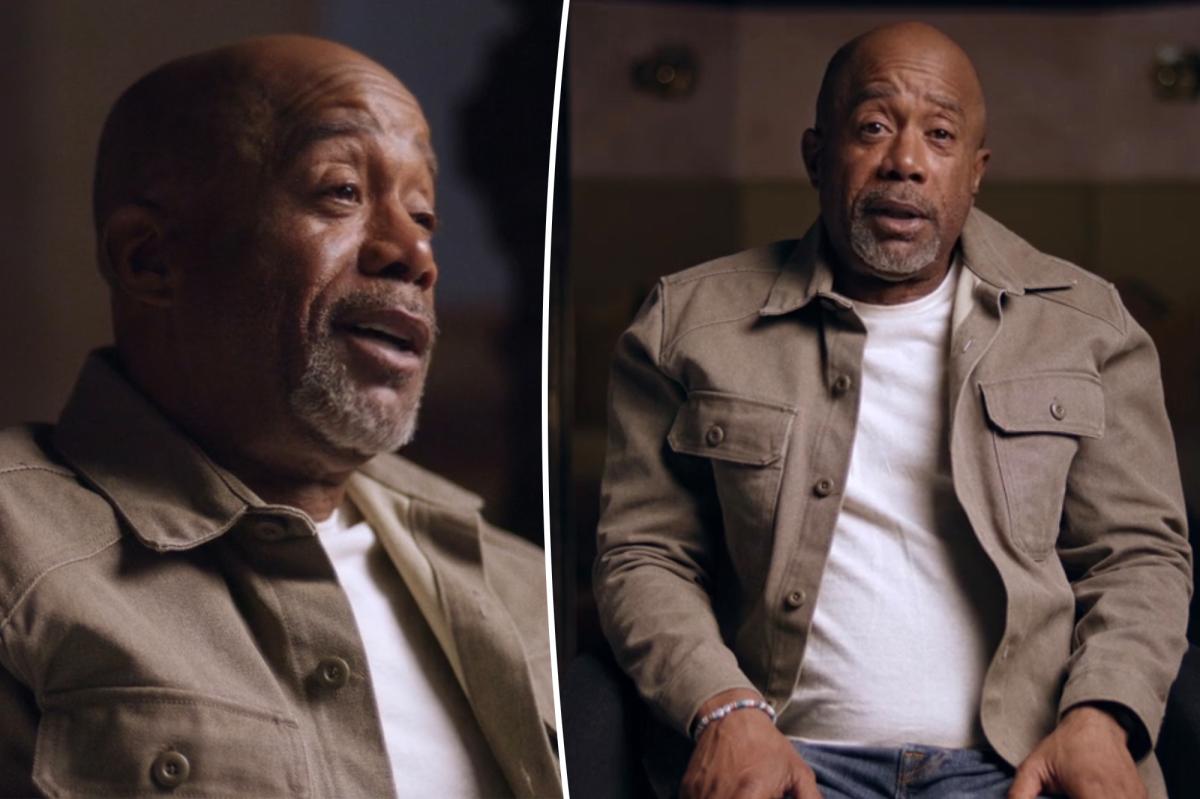
Rucker revisited the unnervingly cinematic memory in his new Hulu documentary, Darius Rucker: They Called Me Hootie, turning a decades-old celebrity-friendship anecdote into the kind of story that makes you immediately text someone: Did you know Woody Harrelson once saved Darius Rucker from drowning?
The Hawaii trip started as a dream and ended in survival mode
According to Rucker, the trip began when he called Harrelson and learned the actor was heading to his Hawaii home. Harrelson invited him to stay for a couple of weeks, and Rucker accepted with the enthusiasm of a man who had just been handed the keys to a celebrity paradise.
“It was one of the best two weeks of my life,” Rucker recalled in the documentary. He and Harrelson had a blast — until one day they decided to walk down a cliff toward a nearby island and encountered water that looked considerably less welcoming than the vacation brochure version.
Harrelson asked Rucker whether he could swim. Rucker said yes. That answer, it turns out, needed several footnotes.
Harrelson warned him that if he jumped in, he needed to come straight back up. Waiting even briefly, Harrelson said, could mean getting caught in the current and being unable to escape it. Rucker jumped anyway, only to realize there was no beach waiting on the other side. The water was rough, the current took hold and the carefree Hawaii hang became an emergency.
Harrelson later conceded the obvious: “Probably shouldn’t have gone in.” It is not exactly the kind of sentence that calms the person currently being carried away by the Pacific, but it does capture the peculiar combination of confidence and questionable judgment at the center of this story.
Rucker thought he was going to die. Woody had other plans.
Rucker said Harrelson swam back toward him as they struggled to get out of the water. The singer described the ordeal as seeming to last forever and admitted he became “really exhausted.” This was not a dramatic near-miss in the breezy, embellished sense of a celebrity telling a late-night story. In Rucker’s telling, he genuinely believed he might not survive.
He said he had reached a strange point of acceptance, reflecting that God had given him the life he had asked for. If it ended there, he said, he would get to Heaven and simply say thank you.
That is an unexpectedly spiritual turn for a story that began with two famous friends wandering down a cliff in Hawaii. But before the moment could become tragic, Harrelson got to him. Rucker said the actor “giggled” and told him, “Not on my watch.”
Harrelson remembered the rescue with a joke of his own. “I wasn’t going to let that happen,” he said in the documentary, before adding that Rucker’s death would have been bad for his career — at least if he became known as “the guy who killed Darius Rucker.”
That is a very specific form of gallows humor: saving your friend from drowning, then worrying about the branding implications. It is also extremely on-message for the Harrelson persona — warm, mischievous and just chaotic enough to make a life-or-death anecdote sound like a story told over drinks after everyone has safely dried off.
The strangest part? They apparently never talked about it again.
The story might have remained buried in Rucker’s personal history if he had not brought it up publicly before. During a 2024 appearance on Today, Rucker said he had seen Harrelson “a million times” since the Hawaii incident, but the two had never discussed it.
Rucker’s explanation was simple: Harrelson is humble and would not want to talk about saving his life. Which is either a lovely portrait of an old friendship or evidence that Woody Harrelson’s preferred approach to heroism is to perform it once, make a joke, and permanently change the subject.
There is also something delightfully un-Hollywood about the timeline. This was not a glossy story about a friendship forged at a premiere or a famous night out that became part of entertainment lore. It was a private vacation, a bad decision near dangerous water and a rescue that apparently went unmentioned for years. Rucker kept living, Harrelson kept acting and the story waited until a documentary gave it a spotlight.
Now the pairing feels almost too perfect to have happened by accident: Rucker, the former Hootie frontman turned country star, and Harrelson, the famously offbeat actor, sharing a Hawaiian adventure that briefly turned into a survival thriller. One of them nearly disappeared into a current. The other pulled him out, laughed and made it sound like the most obvious thing in the world.
“Woody Harrelson had really, literally just saved my life,” Rucker said. The sentence is hard to improve upon. Though “Not on my watch” comes close.
Darius Rucker: They Called Me Hootie is streaming on Hulu and Disney+.
Heidi Gardner’s Last Photos With Ray Tintori Read Like a Love Letter Now
The late filmmaker’s birthday tribute to the former ‘SNL’ star captured a romance that was playful, glamorous and deeply adored.
Some celebrity romances arrive with a red carpet, a hard launch and a caption engineered for maximum repostability. Heidi Gardner and Ray Tintori seemed to have something more private and more lived-in: beach days, Olympic bleachers, formal parties, stolen kisses and the kind of birthday tribute that makes a person sound less like a girlfriend than a personal religion.
Now, after Tintori’s death at 43, those moments have taken on a different weight.
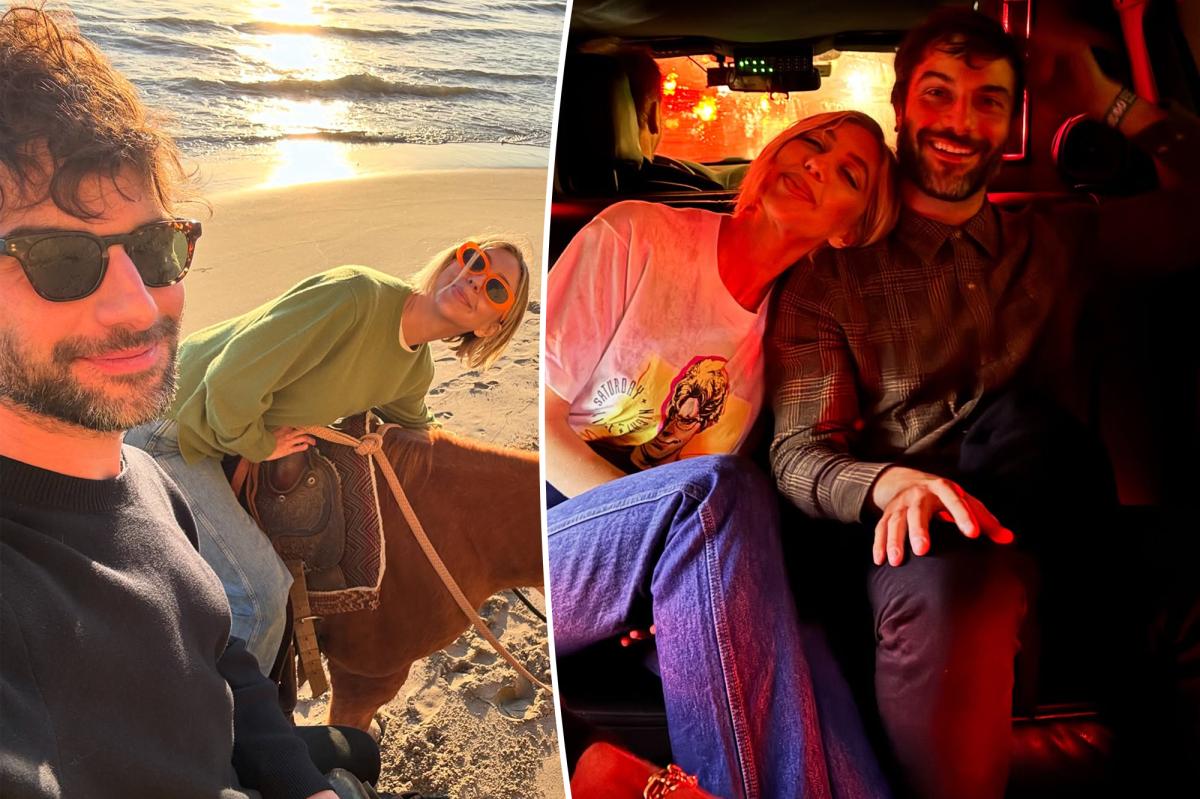
The filmmaker and writer’s final photos with Gardner were shared in a July 2025 Instagram post celebrating her 42nd birthday. The images show the couple horseback riding on the beach, dressed up at a formal event and posing together in the easy, affectionate way of two people who had stopped performing a relationship and were simply inside one.
Tintori died recently, according to Page Six. The New York City Office of the Chief Medical Examiner told the outlet that his death remains under investigation and that the cause and manner are pending. Gardner is reportedly grieving surrounded by family and friends.
The birthday post was almost aggressively romantic
Tintori’s caption was not a two-line “happy birthday, babe” situation. It was a full cinematic monologue, the sort of thing that would be considered too much if it weren’t so unmistakably specific.
He called Gardner “the angel of reality,” described her as “prettier and more graceful than the moon” and said she was the coolest person he had ever met. He wrote about the color of her eyes, the way she sang in his ear and the way she laughed “with [her] whole body.”
Then came the grand declarations: he said he had been “falling faster every day,” called her the “sexiest woman who ever lived” in every kind of clothing, hairstyle and old-age makeup, and wrote that she held his heart “perfectly.”
It was gushy, yes. But it was also observant. The message wasn’t built from generic soulmate vocabulary. It was about how Gardner moved, laughed, sang and made art. Tintori seemed enchanted not just by the public-facing comedian, but by the tiny details that make a person feel known.
“The world is a love letter to you. I am your boy forever,” he wrote.
That sentence lands differently now, because the internet has a cruel habit of turning old romantic posts into accidental memorials. A birthday carousel meant to celebrate a living relationship can suddenly become a final glimpse of a person’s happiness. The pictures remain bright; the circumstances around them do not.
From Olympic bleachers to New York nights
The couple’s public timeline included an outing at the Paris 2024 Olympic Games, where Gardner watched the men’s basketball quarterfinal with Tintori. They were also photographed together at Variety’s New York Party presented by Film AlUla in October 2024, attending the event at Saint Theo’s.
Those appearances offered a particularly good snapshot of their shared aesthetic: Gardner, known for her elastic comic timing and warm, slightly chaotic screen presence, alongside Tintori, a filmmaker whose work helped define some of the most visually memorable music videos of the late-2000s indie-rock era.
In the birthday photos, they shift between modes with ease. One frame is outdoors and playful. Another is polished enough for a society page, with Tintori in a sport coat and bow tie and Gardner in a dress and shawl. Then there is the kissing snapshot, the kind of image that normally gets filed under “cute couple content” and scrolled past in half a second.
Now it feels like a small archive of their relationship: not a staged announcement, but a collection of ordinary pleasures made luminous by hindsight.
A filmmaker with a cult-pop visual legacy
Tintori was best known in pop culture for directing music videos for MGMT’s “Time to Pretend,” “Kids” and “Electric Feel.” Those videos helped give the band’s early work its surreal, colorful, slightly unruly visual world, and they remain closely associated with the group’s late-2000s breakthrough.
He was also part of the Court 13 Arts filmmaking collective. His creative life sat in a different lane from Gardner’s television career, but their work had a shared appetite for heightened reality: Gardner through character, timing and physical comedy; Tintori through image, music and atmosphere.
Gardner left “Saturday Night Live” in 2025 after becoming one of the show’s most versatile performers. Her run included sharply drawn impressions and original characters, but her appeal was never limited to a single viral bit. She brought a loose, emotionally intelligent kind of comedy to the show, the same quality that made Tintori’s birthday tribute feel so personal: an admiration for someone whose charisma is physical, specific and difficult to fake.
Their relationship also unfolded amid heavy family loss for Tintori. His mother, Mary Cybulski, a script supervisor whose credits included “Life of Pi” and “Synecdoche, New York,” died from glioblastoma in November 2025. That detail adds another layer to a year already marked by grief, though Gardner’s private experience has not been publicly described beyond reports that she is surrounded by loved ones.
The photos stay soft, even when the story doesn’t
There is a temptation, whenever a celebrity partner dies, to turn the surviving person’s social media into a map of hidden meaning. Every image becomes a clue; every caption becomes a prophecy. But the available photos do not need that treatment. They already show what they show: two people in love, enjoying each other across different versions of a day.
That is what makes the carousel so affecting. It isn’t a glossy final appearance or a carefully managed statement. It is Gardner laughing, dressing up, traveling, kissing and being looked at with obvious wonder. Tintori’s words are extravagant, but the images give them a grounded setting.
For Gardner, the post now sits alongside the public record of a relationship that included Paris, New York, beach rides and a deeply admiring birthday message. For everyone else, it is an unusually intimate glimpse of a couple who seemed to find their own rhythm away from the machinery of celebrity.
And yes, the caption is romantic enough to make even the most committed cynic stare at the ceiling for a minute. “I am your boy forever” was written as a flirtation, a promise, a bit of poetic excess. After Tintori’s death, it reads as something sadder and more permanent: the last line of a love letter that had no idea it was becoming one.