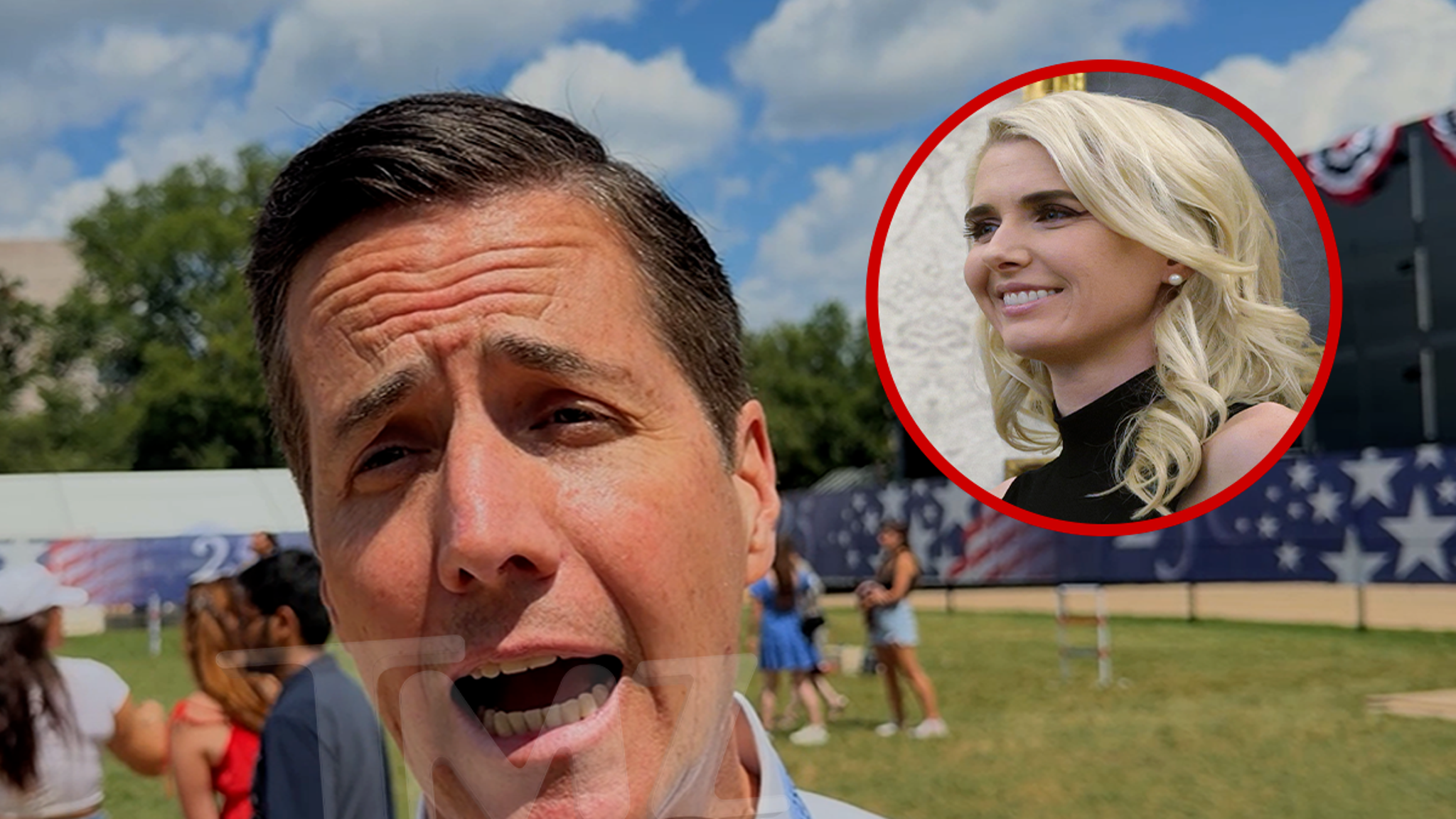
Bernie Moreno’s Defense of Natalie Harp Raises a Gender Question
Bernie Moreno is defending Natalie Harp with an argument designed to provoke: according to TMZ, the Ohio senator said the attention surrounding Harp would be far less intense if she were a man.
That framing turns a defense of one Trump aide into a broader complaint about how women in political orbit are judged. Moreno’s point, as reported, is not simply that Harp is being criticized unfairly. It is that the criticism is allegedly amplified by her gender—a claim that shifts the conversation from Harp herself to the rules of public scrutiny.
There is plenty to unpack in that move. Gender bias is real, but invoking it can also function as a rhetorical escape hatch: instead of addressing why a public figure has become a topic of discussion, the defender challenges the audience’s motives. That does not prove Moreno’s argument wrong, but it does make the claim difficult to separate from the political theater surrounding it.
Harp’s connection to Donald Trump gives the dispute an especially combustible backdrop. People attached to a high-profile political operation rarely receive ordinary levels of attention, and every defense can create a second story about the person doing the defending. Moreno’s intervention does exactly that, making his wording nearly as notable as the subject he was discussing.
For now, the available reporting comes from TMZ, which is why the cleanest read is that Moreno made the gender-based argument as described—not that every interpretation of the exchange is settled. The remark is provocative enough to travel, but its larger meaning depends on context that has not been supplied here. In gossip terms, this is less a closed case than a sharply worded political defense with plenty of room for argument.
Dua Lipa Pairs a Polka-Dot Bikini Top With Jeans
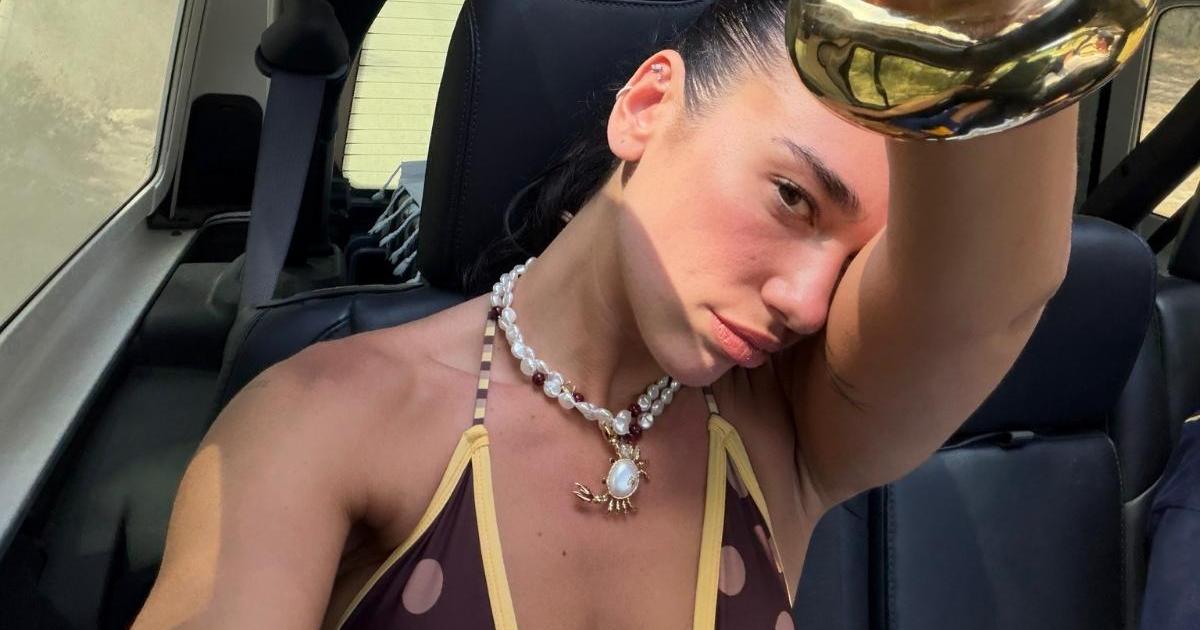
Dua Lipa’s latest bikini look is built around a very small top and one very familiar styling trick: throw on denim and let the contrast do the talking. Reality Tea’s coverage centers on an image of the singer wearing a skimpy polka-dot bikini top with jeans, turning a beach-ready piece into the centerpiece of a deliberately off-duty outfit.
The formula works because it refuses to choose between swimwear and streetwear. The polka dots bring a playful, pinup-adjacent touch, while the jeans pull the look back toward everyday dressing. It is the kind of combination that can read effortless in a photo while requiring considerably more thought in real life—especially when the top is doing very little of the structural work.
That tension is the hook. A standard bikini photo is expected to deliver vacation polish; adding denim gives the look a little more personality and a little less resort-catalogue neatness. Lipa has long operated comfortably in that space between pop-star glamour and deliberately relaxed styling, and this pairing fits the broader celebrity habit of treating swimwear as a layering piece rather than a garment confined to the pool.
There is also a useful lesson in the silhouette. When the top is minimal, the rest of the outfit has to provide the visual balance. Jeans do exactly that without competing for attention, leaving the dotted fabric and the singer’s styling choices at the center. The result is less about a complicated outfit than a strong piece of visual shorthand: tiny top, familiar bottoms, maximum contrast.
Reality Tea is the only source supplied for this story cluster, so the responsible read is limited to what its report describes. Still, the look has an obvious social-media advantage: it is instantly legible, easy to discuss, and just unexpected enough to turn a simple bikini appearance into a celebrity-style talking point. In other words, the jeans are not an afterthought. They are the entire reason this outfit has more to say than another standard swimwear snapshot.
Sophie Cunningham Lands at the Center of a WNBA Protest
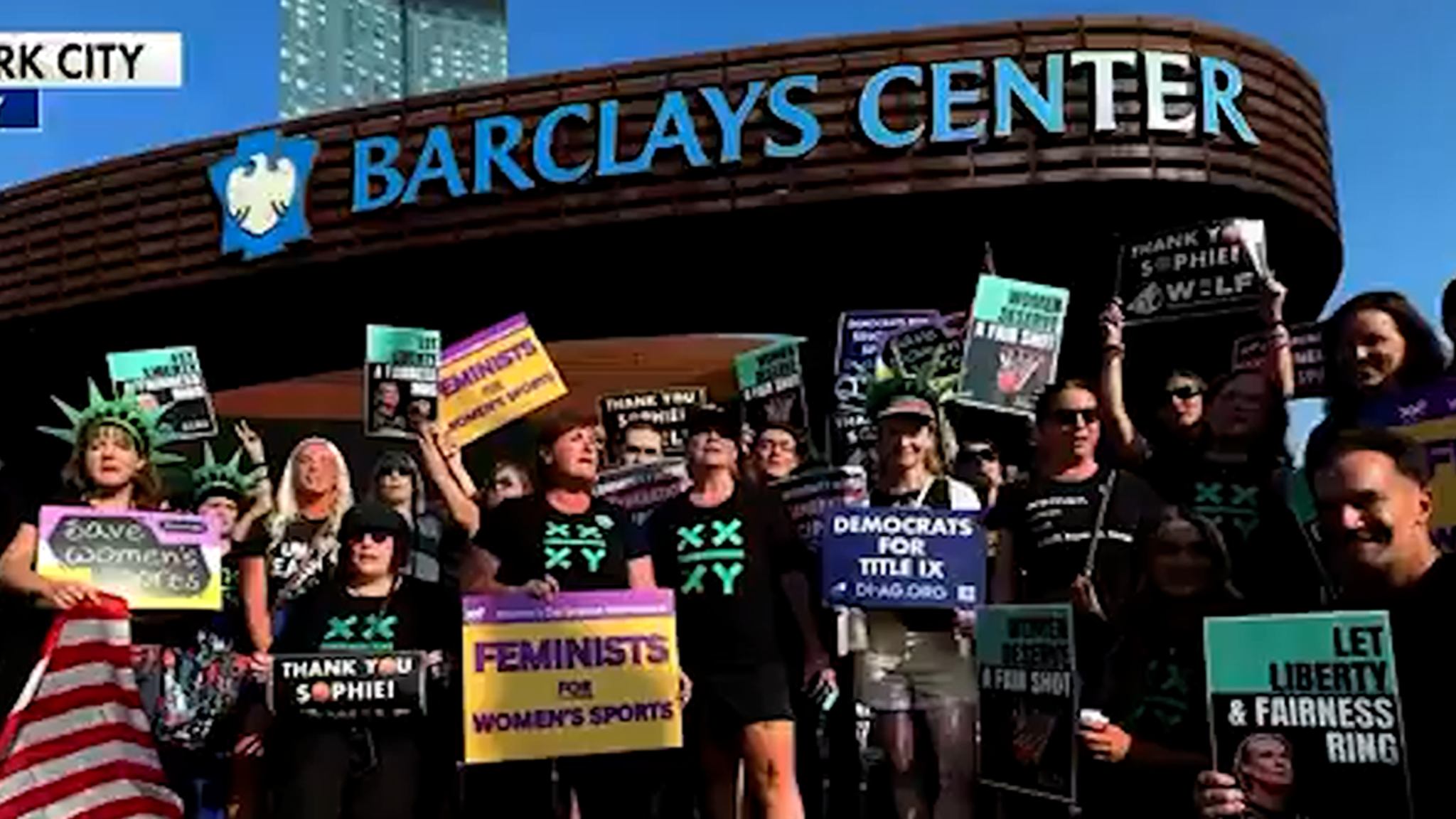
Sophie Cunningham has become a recognizable name in a WNBA debate that has moved well beyond the court. TMZ reports that supporters and critics connected to Cunningham crossed paths in New York amid a protest focused on transgender athletes’ participation in women’s sports.
The report does not turn this into a standard player-feud story. Cunningham is being pulled into a culture-war argument where public support and public opposition can become part of the spectacle. That makes the situation especially combustible: the conversation is not only about basketball policy, but also about which voices get attached to a prominent athlete and how quickly those associations travel.
Based on the available account, the central event was the overlap between people backing Cunningham and people protesting the broader issue. The source does not establish that Cunningham personally attended the demonstration, organized it, or made a new statement there. Those distinctions matter, particularly when a celebrity’s name is being used as shorthand for a larger political or social position.
The WNBA has long occupied an unusual space in American sports culture, with its players often treated as both athletes and public commentators. That visibility can give a player’s perceived stance a life of its own, even when the available reporting does not show a fresh quote or direct action from the player involved. In Cunningham’s case, the public focus appears to be less about a game result than about the symbolism surrounding her name.
That is the gossip hook, and also the caution sign: a crowd can turn a celebrity athlete into a proxy before the celebrity has clearly entered the argument. For now, the most defensible read is that Cunningham is at the center of a reported protest-related clash involving supporters and detractors—not that she personally drove every part of the controversy.