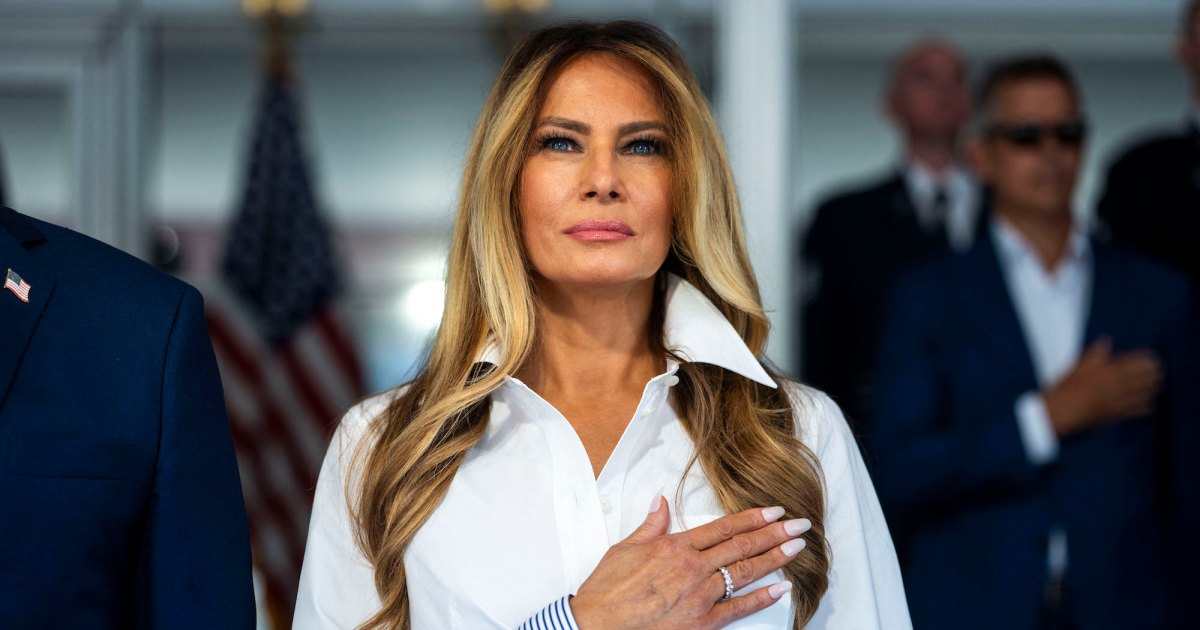
Melania Trump Reappears After 32 Days Away
Melania Trump has reportedly stepped back into the public spotlight after a 32-day absence, according to Us Weekly. Her appearance was tied to the Freedom 250 Grand Prix, giving the famously selective former first lady a very visible reason to be seen again.
The timing is what makes this more than a simple calendar entry. Melania’s public schedule has long been notably restrained, especially compared with the nonstop exposure surrounding her husband, President Donald Trump. When she appears, the appearance itself can become the story—particularly after a stretch long enough for people to start tracking the silence.
Us Weekly framed the return against scrutiny involving a White House aide. The available report does not establish that Melania’s absence was connected to that scrutiny, nor does it provide a reason for her time away. That distinction matters: the overlap creates intrigue, but it is not proof of a behind-the-scenes explanation.
Still, the optics are difficult to ignore. Melania has built a public persona around controlled access and carefully limited visibility, so a formal appearance can carry more weight than a flood of casual updates would for another celebrity. Her scarcity keeps the audience guessing—and keeps even an ordinary outing from feeling entirely ordinary.
There is also a familiar Washington-meets-celebrity tension here. Melania is both a political figure and a celebrity whose personal choices attract intense attention, which means her schedule gets read as subtext whether or not she intends to send a message. A public return may simply be a public return. In gossip terms, though, the 32-day gap gives it a sharper edge.
For now, the cleanest read is that Melania was reported at the Grand Prix after an unusually long period out of view, while the surrounding aide scrutiny remains context rather than a confirmed explanation. The mystery is real; the theory-making should stay on a short leash.
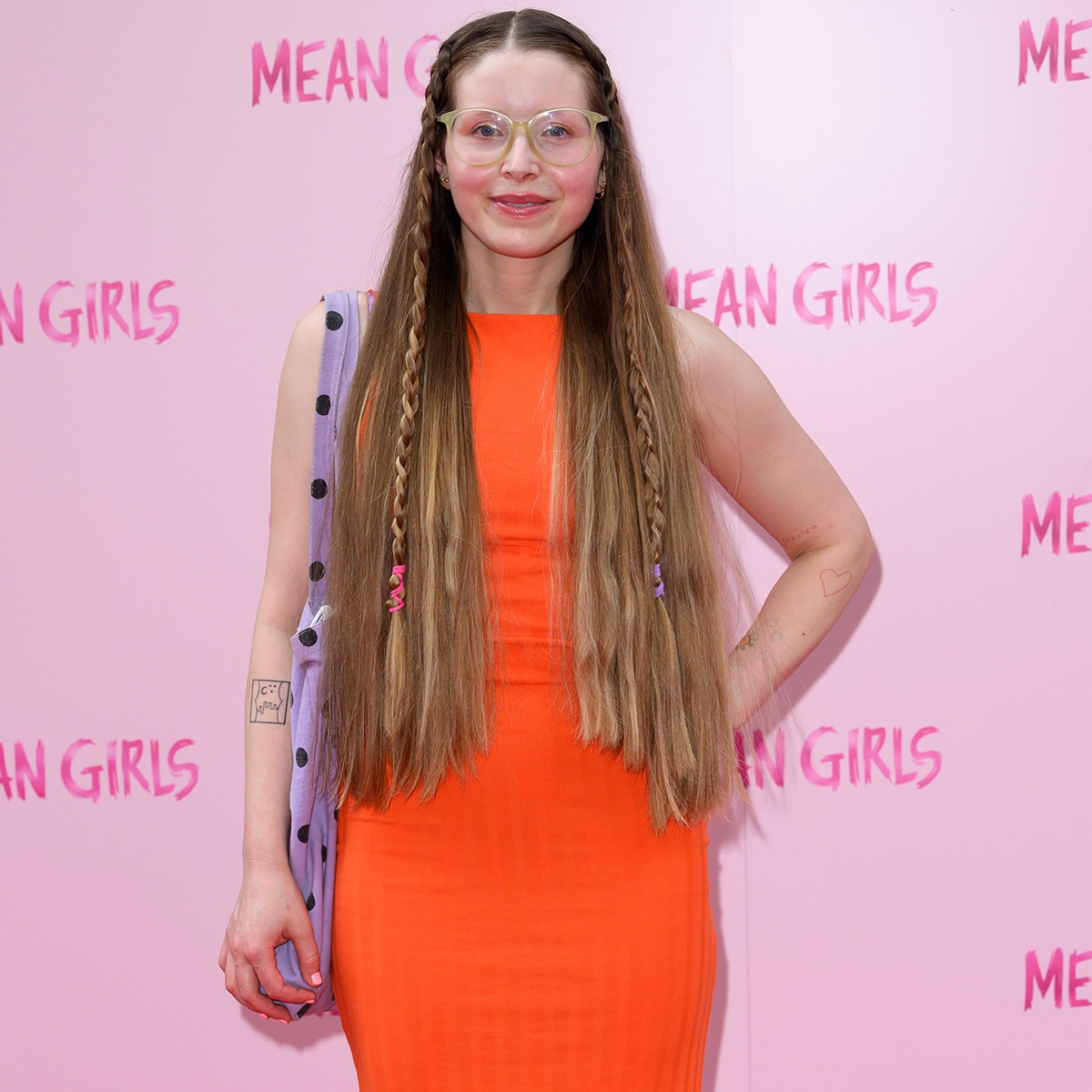
Jessie Cave Opens Up About Her OnlyFans Embarrassment
Jessie Cave is offering a less polished take on celebrity life online. According to E! News, the Harry Potter actor said joining OnlyFans felt “embarrassing,” a candid admission from someone whose career began in one of the world’s most recognizable movie franchises.
The appeal of the remark is its lack of showbiz varnish. Celebrity platforms are often presented as savvy business moves, direct connections with fans or clever ways to control one’s image. Cave’s reported reaction cuts through that tidy narrative: even a public figure can feel exposed, self-conscious or uncertain when stepping into a digital space with a loaded reputation.
That distinction matters. The available report does not establish what Cave shared on the platform, how long she used it, how much money it generated or whether she plans to continue. It only centers on her description of the decision as embarrassing. Filling in those blanks would turn a personal comment into a much bigger story than the facts support.
Still, the confession lands because OnlyFans carries a very specific cultural charge. For celebrities, joining can be framed as independence and monetization; it can also invite assumptions they may not have chosen. Cave’s reported wording acknowledges that awkward middle ground rather than pretending the move was effortless or perfectly strategic from day one.
There is also a revealing contrast between her best-known screen identity and the more direct, transactional nature of subscription platforms. A performer associated with a major fantasy franchise is suddenly discussing the emotional reality of managing access to herself online. That tension—famous enough to attract attention, human enough to feel embarrassed by it—is the real hook.
For now, this is a narrowly reported personal revelation, not evidence of a broader scandal. Cave’s comment is the story; the speculation around it should stay on a short leash.
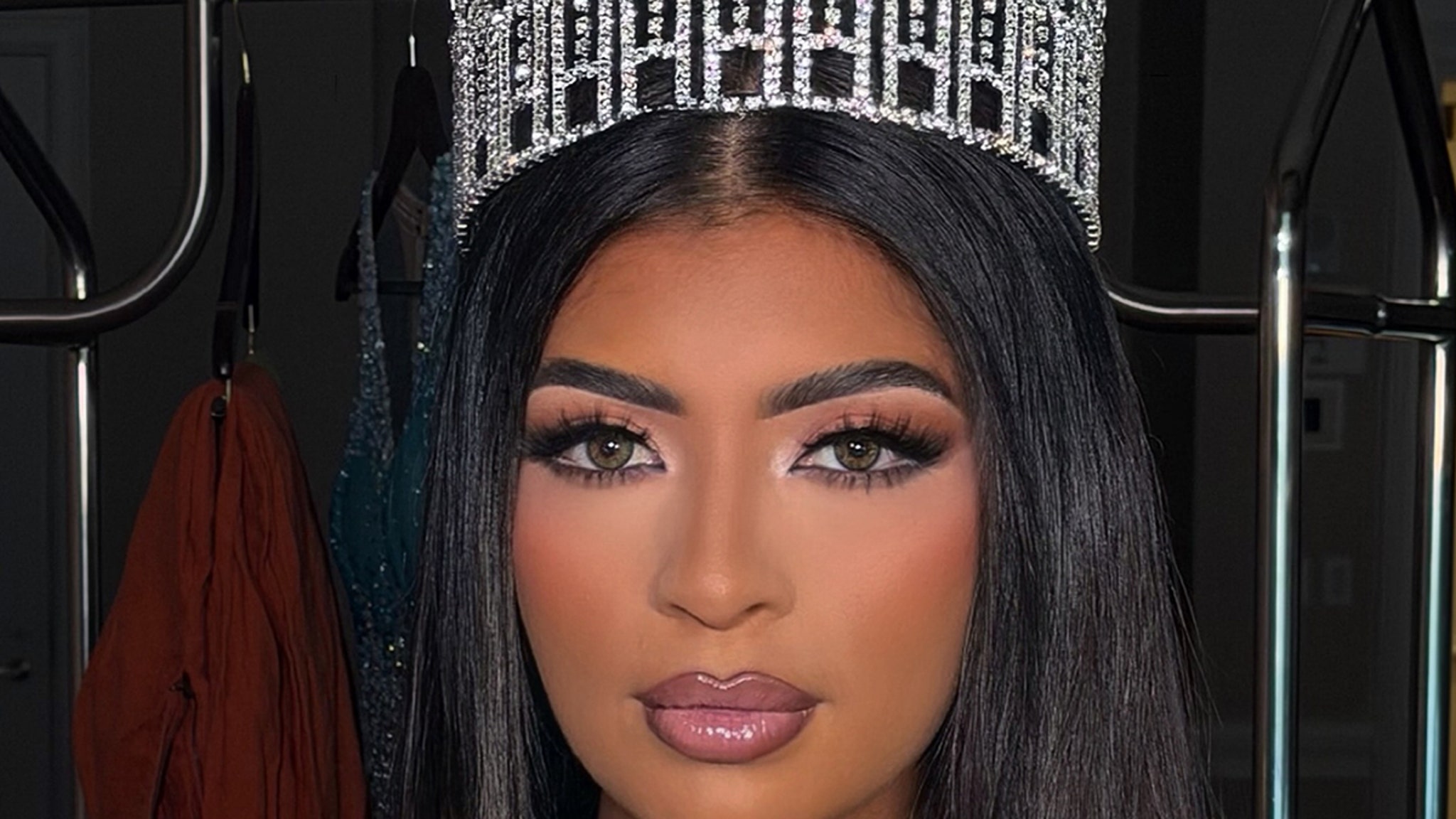
Former Miss North Carolina USA Sues Over Alleged Labels
The pageant-world feud involving Brittany Boltinhouse has moved from backstage drama to a legal complaint. TMZ reports that the former Miss North Carolina USA is suing Miss USA, alleging she was branded racist and homophobic.
That distinction matters: Boltinhouse’s lawsuit is a formal legal action, but the accusations inside it remain claims—not findings by a court. The available reporting does not establish who allegedly used the labels, the exact circumstances behind them, or what damages Boltinhouse is seeking.
Still, this is a serious escalation for an organization built around image, judgment and carefully managed public messaging. In pageant culture, a reputation can be as valuable as a crown. Being associated with accusations of racism or homophobia could affect a contestant’s standing, opportunities and public credibility, which helps explain why a dispute over language has now become a defamation fight.
TMZ’s related coverage also includes video about the lawsuit, suggesting Boltinhouse is not treating the matter as a quiet private disagreement. Her decision to pursue the dispute publicly puts the pageant organization in an uncomfortable position: any response now risks adding fuel to a story already centered on contested statements and reputational damage.
For Miss USA, the central question is likely to be whether the alleged descriptions were made, by whom, and whether they were presented as fact or opinion. For Boltinhouse, the challenge will be proving that the statements crossed the line into actionable defamation rather than protected criticism or internal pageant conflict. Those are legal questions, not conclusions that can be settled by a headline.
What makes the story compelling is the collision between pageant polish and courtroom mess. The pageant system depends on public-facing ideals, while lawsuits force private disputes into the record. Until filings, responses or court rulings add more detail, this remains Boltinhouse’s account of a damaging clash—not a verified ruling on anyone’s conduct.