
Alec Baldwin Cuts $2 Million From Hamptons Estate
Alec Baldwin is putting a very expensive number on the Hamptons real-estate board—and then taking a small-but-still-staggering step backward. TMZ reports that Baldwin has listed his Hamptons estate for $19 million after cutting $2 million from the asking price.
That math puts the earlier ask at $21 million, making the reduction substantial in ordinary human terms and very visible even by luxury-property standards. At $19 million, the estate remains firmly in the celebrity-home tier, where a price adjustment can say as much about the market as it does about a seller’s appetite for a deal.
The celebrity angle here is less about a flashy new purchase than about the economics of letting go. A Hamptons address carries instant lifestyle branding—privacy, prestige and proximity to one of the country’s most recognizable summer enclaves—but the buyer pool for a property at this level is naturally narrow. Every million shaved off the number is an attempt to widen that pool without abandoning the property’s premium positioning.
For Baldwin, the listing also puts his real-estate portfolio back in the gossip spotlight. The actor is a familiar name in the luxury-property conversation, and a seven-figure price cut gives the transaction a little more drama than a routine sale announcement. It is the kind of detail that turns a property listing into celebrity news: the house is expensive, the discount is eye-catching, and the final sale price is still anyone’s guess.
There is no confirmed buyer or reported closing in the supplied coverage, so this is a listing story—not a completed sale. That distinction matters at the top of the market, where a reduced asking price can be the beginning of a negotiation rather than the end of one.
Rebel Wilson Texts Surface in The Deb Legal Fight
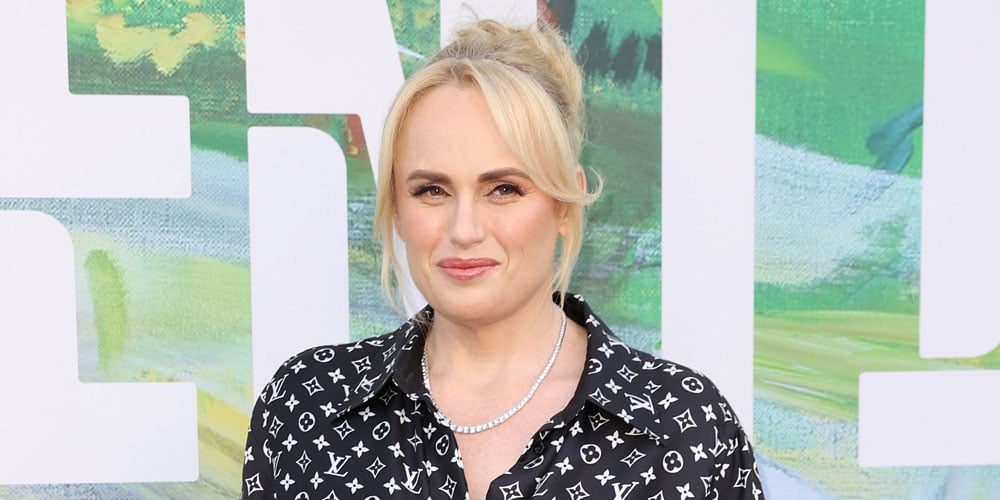
Rebel Wilson is back in the legal-news spotlight, this time over alleged private text messages involving Melissa Nathan and a dispute connected to The Deb. The messages were reportedly included in court documents that address claims of a smear campaign against the film’s producer.
The material comes from legal filings, not a confirmed public account of what happened. That distinction matters: documents can contain accusations, disputed interpretations and arguments from one side of a case, while a court has not necessarily ruled that every claim inside them is true.
According to coverage from Just Jared, the filings present alleged exchanges between Wilson and Nathan as part of the wider dispute. Related reporting from Reality Tea describes the controversy as involving an alleged $110,000 smear campaign, though the supplied reports do not establish that figure as a proven judgment or finding against anyone.
The celebrity hook is obvious, but the bigger story is the unusual collision of movie publicity, private communications and courtroom strategy. Once text messages enter a legal filing, they can become part of the public record while still leaving the surrounding context open to argument. A screenshot or quoted exchange may look definitive on a gossip feed; legally, it is only one piece of a contested narrative.
For Wilson, the development keeps attention fixed on the behind-the-scenes conflict surrounding The Deb rather than the project itself. For readers, it is also a reminder that “revealed in court documents” does not mean “proved in court.” The documents reportedly contain allegations about conduct and communications, but the available information does not provide a final ruling, a complete timeline or verified context for every message.
Until more of the case is resolved or the parties offer fuller, attributable explanations, the responsible read is less scandal-as-fact and more legal dispute with celebrity names attached. The texts may add intrigue, but they do not settle the underlying claims on their own.

Blake Lively Sought More Than $8 Million in Legal Costs
Blake Lively’s legal fight with director Justin Baldoni now comes with a very large price tag. According to Page Six, the Gossip Girl actress initially sought $7,495,526.87 in attorney fees, plus another $539,514.01 for litigation costs and expenses.
Combined, that request totals $8,035,040.88—close enough to eight million dollars to make the dispute’s financial stakes impossible to ignore. In celebrity litigation, the headline drama usually centers on the people involved. The invoices are where the machinery becomes visible: lawyers, filings, discovery and the many expensive ways a public battle keeps moving.
The distinction between the two figures matters. The larger amount covers legal fees, while the additional half-million-plus represents costs tied to pursuing the case. That does not necessarily mean every dollar would ultimately be awarded, or that the full amount was approved.
And that is the key wrinkle here: the supplied report says Lively initially sought the money, but it does not establish whether the request was granted, rejected or reduced. Page Six’s framing makes the demand the immediate development, not a final ruling on who pays what.
The amount also adds a transactional layer to an already highly visible dispute involving Lively and Baldoni. Once attorneys’ fees enter the conversation, the conflict is no longer only about statements and courtroom strategy; it becomes a question of who may be left carrying the bill after the public battle is over.
For now, the safest read is that Lively made a substantial fee request and that the figures were reported by one outlet. Until a court filing or ruling provides more detail, the $8 million figure is a reported demand—not a confirmed payout.