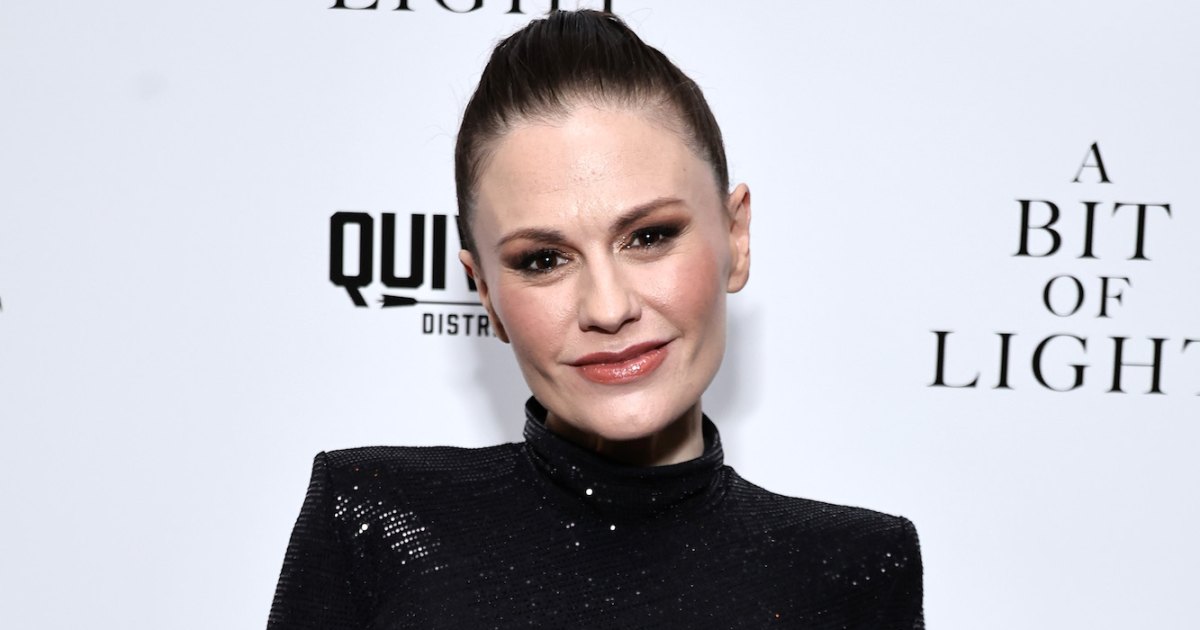
Anna Paquin Opens Up About Childhood Fame’s Risks
Anna Paquin is looking back at childhood fame with less nostalgia and considerably more alarm. In coverage published by Us Weekly, the actor reflected on the dangers that came with being famous young, saying that children in the industry were not protected as thoroughly as they should have been.
That distinction matters. Paquin’s comments are not a glossy trip down memory lane or a complaint about the inconveniences of being recognizable. They point to a structural problem: children can be placed inside an adult workplace, surrounded by adult expectations, while lacking the authority and experience to set their own boundaries.
Fame tends to be sold as opportunity when a young performer is involved. The less photogenic part is the machinery around it—the publicity, scrutiny and professional pressure that can make a child’s private life feel like part of the job. Paquin’s reflection puts the focus on the adults and systems responsible for creating safer conditions, rather than treating a young star’s ability to cope as proof that everything was fine.
There is also a generational edge to her perspective. The entertainment business has spent years revisiting how child performers were managed, watched and marketed, but every new account makes the same point harder to dismiss: talent may get a child through the door, but it cannot replace protection once they are inside. A successful career does not automatically mean a safe upbringing.
Paquin’s remarks are especially resonant because they resist the tidy version of celebrity history. Audiences often remember the finished performance, the awards and the polished premiere photographs. The person who had to grow up under that attention remembers the conditions surrounding them. That gap between the public image and the private reality is where her comments carry their weight.
Us Weekly’s report does not, in the supplied account, identify a specific incident behind Paquin’s reflection. What it does capture is a broader warning from someone who experienced childhood stardom firsthand: the industry cannot call young performers protected simply because they were successful.
Julia Roberts Revives the Capri Pants Debate for Fall
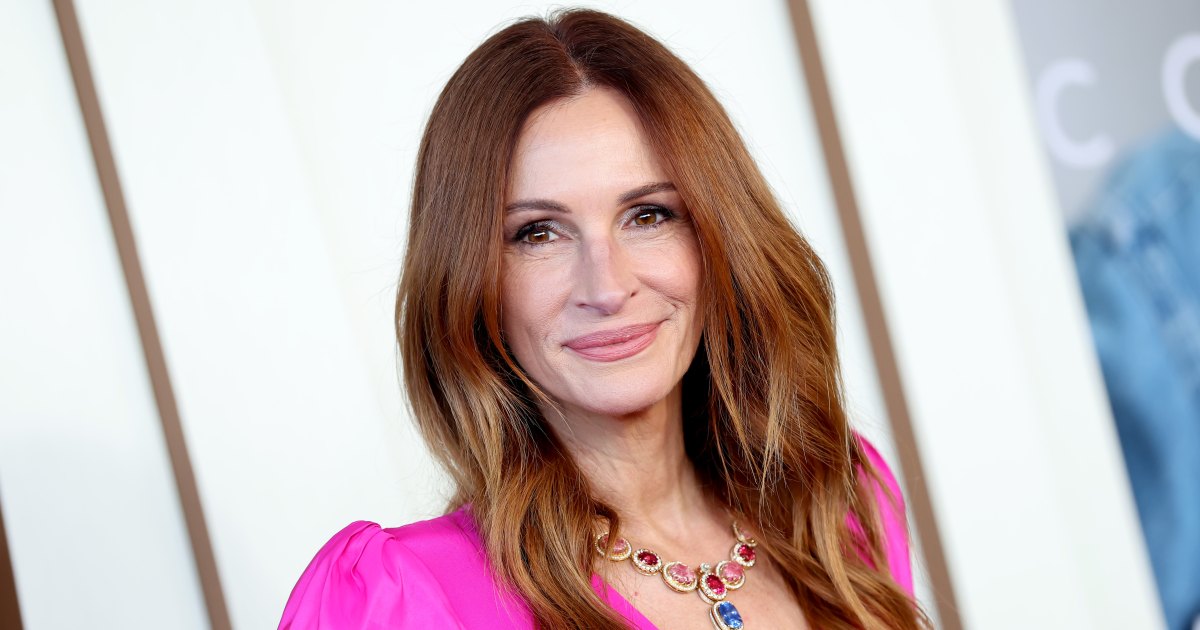
Julia Roberts has wandered into one of fashion’s most stubborn arguments: the capri-pants debate. Us Weekly’s shopping coverage highlights the actor in a fall look built around the cropped trousers, a choice that has reportedly divided viewers rather than earning universal style approval.
That tension is the entire appeal. Capri pants are neither a quiet basic nor a universally adored statement; they arrive with baggage, opinions and the kind of deeply personal fashion reaction usually reserved for skinny jeans and visible socks. Roberts’ name gives the debate an extra jolt, turning a pair of shorter trousers into celebrity-style conversation.
The coverage focuses on the look and on the reaction surrounding it, not on a larger scandal or a confirmed shift in Roberts’ personal wardrobe philosophy. There is also no indication here that the actor is trying to revive a trend, issue a fashion manifesto or settle the argument herself.
Still, the choice has the rare gossip-friendly combination of a famous face, a recognizable silhouette and plenty of room for disagreement. Whether the capris read as polished, nostalgic or categorically unacceptable depends almost entirely on the viewer—and apparently, viewers are not reaching the same conclusion.
Margaret Qualley and Kristen Stewart Ditch Red-Carpet Shoes
Red-carpet dressing usually comes with a strict accessory requirement: shoes. But every so often, a celebrity decides the outfit has made its point and the footwear can stay backstage.
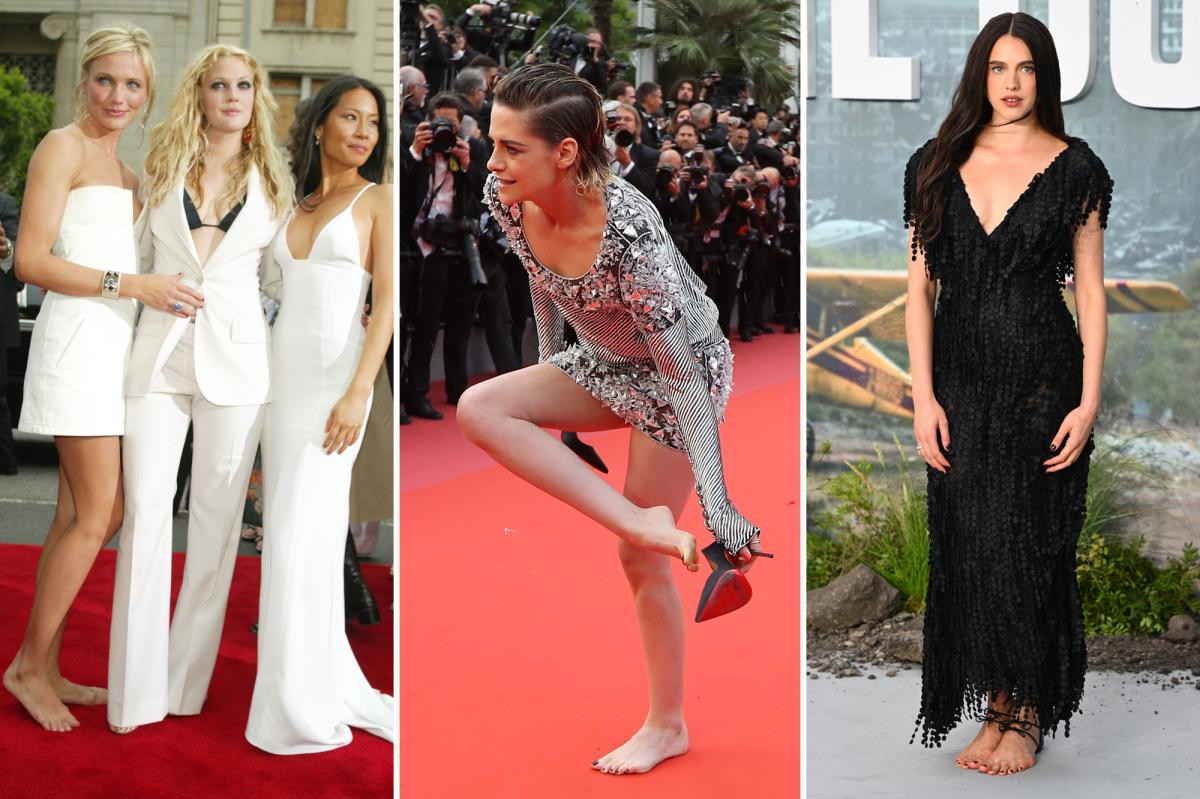
Page Six has assembled a retrospective of stars who appeared barefoot on the red carpet, with Margaret Qualley and Kristen Stewart among the names in the roundup. It is a small but reliably arresting fashion rebellion—especially in an environment built around immaculate styling, carefully placed hems and footwear chosen for maximum flash.
Going without shoes turns a familiar celebrity arrival into a visual question mark. Was the look planned from the beginning? Did comfort win? Or did the shoes simply lose a backstage argument? The appeal is partly practical and partly theatrical: a bare foot can make even an otherwise formal outfit feel unexpectedly candid.
The trend also proves that red-carpet glamour is not always about adding more. Sometimes the memorable choice is removing the one detail everyone expects to see. Whether the decision reads as relaxed, rebellious or mildly chaotic depends on the outfit—and, naturally, the celebrity wearing it.
For the full parade of famously footwear-free appearances, Page Six’s roundup offers a quick history of the red carpet’s most exposed styling choice.