Bob Mackie’s Final Days Were More Complicated Than the First Announcement Suggested
The legendary designer died after a fall and head injury, while also battling pneumonia. His death certificate fills in the quiet, heartbreaking timeline behind fashion’s most theatrical legacy.
Bob Mackie spent his career making entrances impossible to forget. Cher in glitter. Carol Burnett in a curtain rod. Diana Ross in a silhouette that seemed to arrive before she did. Dolly Parton in rhinestones, feathers and pure Dolly logic. His clothes did not simply decorate pop culture; they helped teach it how to be larger than life.
So the new details surrounding Mackie’s death feel unusually stark. According to a death certificate obtained by Us Weekly, the legendary designer suffered a fall at the Palm Springs-area home of his longtime design director, Joseph McFate, on Sept. 11. The document lists a subarachnoid hemorrhage and blunt head trauma as the cause of death. Mackie died three days later, on Sept. 14, at Desert Regional Medical Center. He was 87.
The information adds a painful second chapter to the initial announcement, which attributed his death to pneumonia. A representative later clarified that both things were part of Mackie’s final days: he had been battling pneumonia before the hospitalization and continued to suffer from it afterward. The rep told Us Weekly that Mackie was staying in a guest house at McFate’s home and that a healthcare professional was with him when he fell.
The timeline behind the headlines
Mackie’s death was announced on the day he died in a statement shared through his social media accounts. “He lived his 87 years to the fullest,” the statement said, describing fashion and costume design as the dream he had always wanted to fulfill. It was a fitting tribute to a man whose work rarely showed interest in understatement, even when the person wearing it did.
The death certificate states that Mackie was cremated on Sept. 17, three days after his death, and that his remains were scattered at sea off the coast of San Diego County. There is something quietly cinematic about that final image: the designer who spent decades creating spectacle leaving the world without one last red carpet, just the ocean and the people closest to him.
It also gives the first announcement a more complicated emotional shape. Pneumonia was not incorrect, according to the representative’s clarification, but it was not the entire story. The fall and resulting head injury were central to the final medical timeline, while the illness Mackie had already been fighting remained part of it.
A career built for the spotlight
Mackie’s genius was understanding that celebrity clothing is never just clothing. It is character development, mythology and a little bit of mischief stitched together. He designed for the women who turned performance into identity: Cher, Ross, Tina Turner, Beyoncé, Parton and Burnett among them. The outfits often looked outrageous in still photographs and completely inevitable once the star stepped into them.
For Cher, Mackie helped create the barely-there, feathered, beaded and body-conscious visual language that became inseparable from her image. For Burnett, he understood the comic power of a costume that could land a joke before she delivered a line. For Parton, he found a shared vocabulary of glamour that never treated sparkle as an apology.
That work earned Mackie a rare status in entertainment: he was famous beyond the fashion world because his designs were attached to moments people remembered. His name became shorthand for a certain kind of unapologetic showmanship, the kind that enters the room wearing its own lighting.
His last public chapter still looked like Bob
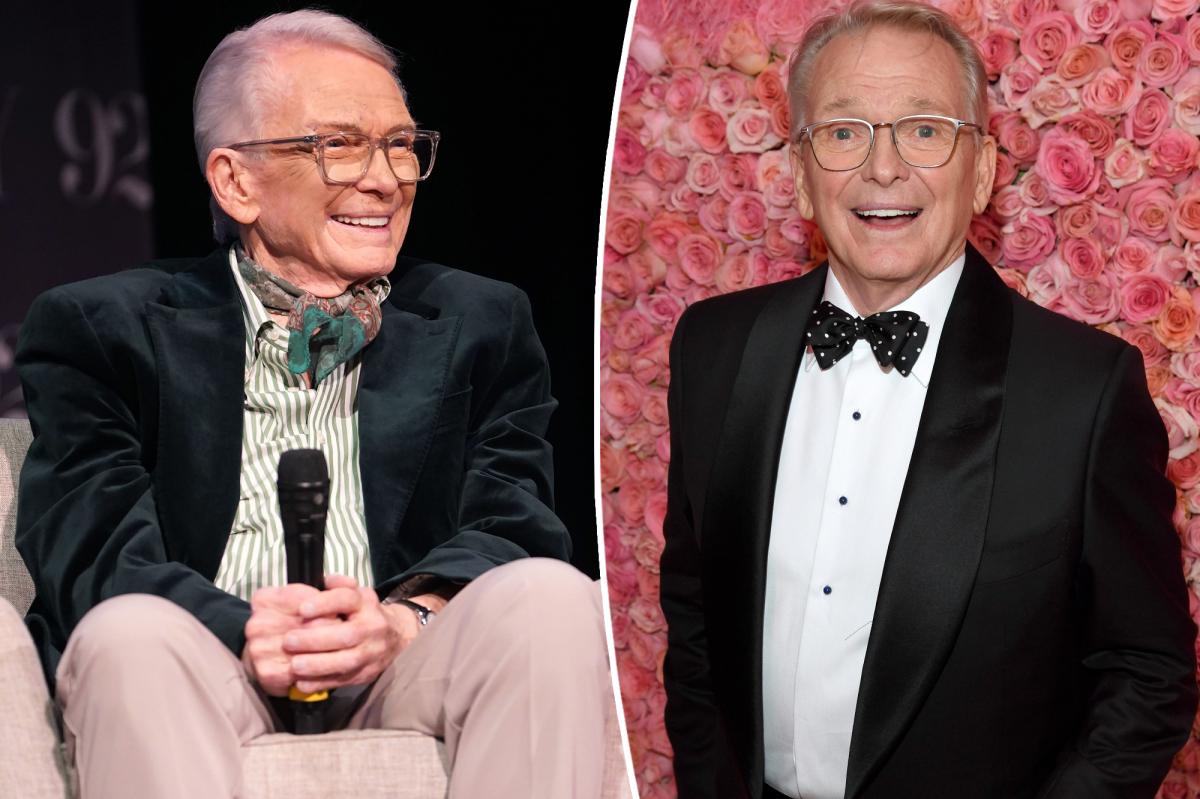
Mackie remained active and visible deep into his eighties. He appeared at events connected to the documentary Bob Mackie: Naked Illusion, including its Los Angeles premiere in May 2024, and attended the Season 2 finale event for Palm Royale in January. He was also photographed at the Met Gala in 2019 and at the Costume Designers Guild Awards in February 2025.
Those appearances made clear that Mackie’s influence had outlived any single era of television or red-carpet dressing. He was not merely being celebrated as a vintage name. His ideas were still circulating everywhere: in the return of maximalist glamour, in performers treating the red carpet as theater, in the ongoing refusal to believe that a famous woman should ever wear just one rhinestone when 10,000 are available.
One of his final public gestures involved Parton. When she died at 80 in late August, Mackie posted a tribute alongside sketches of the outfits he had designed for her over the years. “Dolly was a lovely soul and spirit who was fair to everyone,” he wrote, calling her “a joy and pleasure to dress” and adding, “You will be missed. With love, Bob Mackie xo.”
The timing makes the tribute especially poignant. Mackie was honoring one of his most enduring creative collaborators only weeks before his own death. The sketches offered a glimpse of their partnership in its earliest, most essential form: line, shape, fantasy, then the transformation of a person into an icon.
Fashion loves to talk about legacy as if it is a polished archive, neatly labeled and safely behind glass. Mackie’s is messier and more alive than that. It is in the costumes people still imitate, the old clips that keep resurfacing, the red carpets that seem determined to get bigger, brighter and more theatrical. His final days were marked by illness, a fall and a devastating injury. His career, however, remains gloriously upright: sequined, feathered and refusing to leave quietly.
Jeremy Allen White Has a New York Soft Launch — and the Internet Is Already Reopening His Dating History
The Bear star was photographed holding hands and cuddling with model Lulu Tenney, sending the celebrity-romance cycle into its favorite phase: one suspiciously cozy outing and a full archive dive.
Jeremy Allen White appears to have entered a new chapter in the celebrity dating industrial complex: the New York City soft launch.
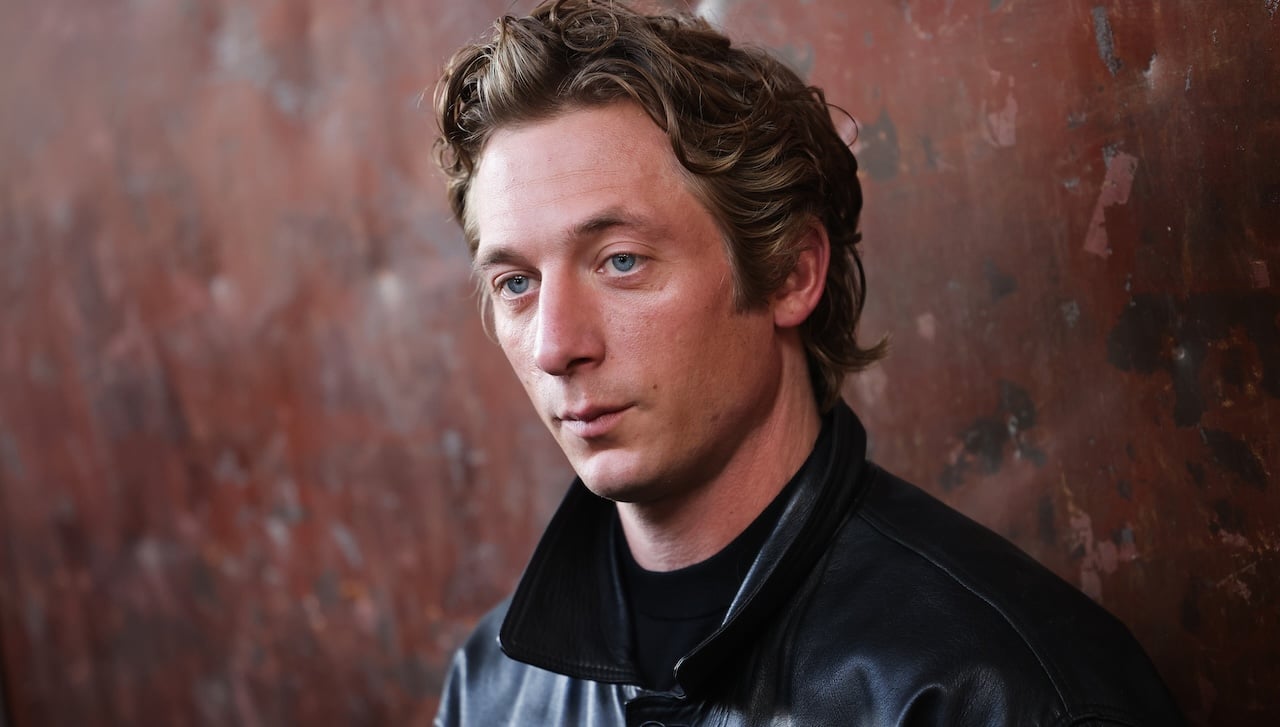
On Wednesday, October 7, The Bear star was photographed holding hands and cuddling with model Lulu Tenney during an outing in the city, according to Just Jared. Neither White nor Tenney has said they are dating, but the body language was intimate enough to send the internet into its favorite activity: turning one afternoon into a complete romantic timeline.
This is how modern celebrity relationships arrive now. Not with a red-carpet debut or a carefully coordinated magazine cover, but with a walk, a hand held in public and a few photos that instantly invite everyone to become a relationship historian. White and Tenney have not announced anything, yet their New York appearance has already been treated as a soft launch by fans who know that “just friends” rarely includes this much cuddling in a city full of discreet restaurants.
The Lulu Tenney moment is low-key, but not exactly invisible
Tenney is a model, and the sighting has the particular visual grammar of a celebrity romance people will keep watching: two attractive adults, casual clothes, close contact and no obvious attempt to turn the moment into content. That lack of ceremony is part of the appeal. There is no caption to decode, no matching vacation carousel and no public declaration to screenshot. Just a very public New York outing that looked private enough to be meaningful and visible enough to become a story.
White, 35, has become one of the most recognizable actors on television through The Bear, where his intense, tightly wound performance made him a major awards-season presence and an unlikely style-world favorite. He is also attached to the new movie The Social Reckoning, giving this latest romantic speculation a little extra celebrity oxygen. When someone is already having a high-profile professional moment, the public tends to examine the personal frame just as closely as the work itself.
And White’s particular appeal makes the scrutiny feel almost inevitable. He has the rare celebrity profile that is both mainstream and slightly elusive: famous enough to dominate a red carpet, low-key enough that a candid street photo can feel like an event. A hand-holding picture does not need a dramatic caption when the subject is already one of the internet’s preferred brooding leading men.
Why everyone is suddenly scrolling backward
Just Jared’s new roundup revisits White’s reported dating history, including his marriage to actress Addison Timlin. The former couple share two daughters, making this more than a simple parade of famous names: White’s romantic history includes a real family chapter and a public relationship that predates his current level of fame.
The roundup also points back to White’s reported links with women from different corners of his professional and celebrity orbit: one of his The Bear co-stars, a Grammy-winning singer and an actress he worked with on Shameless. The page’s dating-history package also flags names including Ashley Moore, Emma Greenwell, Molly Gordon and Rosalía, though the source does not present every name with the same level of detail or certainty.
That mix is exactly what makes a dating-history story so clickable. It turns a new sighting into a sprawling map of White’s public life: former spouse, co-stars, musicians, models and the inevitable question of whether Hollywood’s most attractive people are all connected by six degrees of excellent lighting. The internet does not simply want to know who someone is seeing now. It wants to know who was there before, which romance overlapped with which project and whether an old red-carpet clip suddenly looks different in hindsight.
There is also a special fascination with actors who date within their creative ecosystem. A co-star connection gives fans an entire season of scenes to reinterpret. A musician link adds the glamour of two different celebrity worlds colliding. A model sighting brings the clean, paparazzi-friendly visual of a new couple who may or may not be ready for a public label. White’s reported history has enough variety to keep all three fantasies alive.
The soft launch has replaced the official announcement
Celebrity couples used to have a recognizable rollout: a first red carpet, a coordinated interview, perhaps an unmistakable vacation photo posted at exactly the right moment. Now, the most effective announcement is often the absence of an announcement. A couple can let the public do the work while they remain technically silent, allowing a single street sighting to generate weeks of speculation without either person having to define the relationship.
That ambiguity is especially powerful with White, whose public image has always benefited from a little distance. He is visible, but not overexposed; fashionable, but not relentlessly online; famous enough to attract attention, yet not someone who appears to narrate every private development for followers. A new romance emerging through candid photographs rather than a social-media post feels consistent with that image.
For Tenney, the moment places her directly in the orbit of one of television’s biggest current stars without requiring a formal debut. For White, it creates a new romantic storyline just as audiences are already following his work, his fashion appearances and the larger cultural fascination with The Bear universe. The pairing has the kind of effortless visual logic that makes the internet impatient for a second sighting.
That second sighting is now the real story. Will there be another New York walk? A dinner photographed from across the street? A suspiciously similar vacation backdrop? A social post that does not tag anyone but somehow answers every question? At the moment, there is only the October 7 outing and the photos that started the conversation.
Still, in celebrity culture, one cozy afternoon can be a pilot episode. White and Tenney may be dating, or they may simply be two adults who were comfortable holding hands in public. Neither has said so. But the internet has already opened the files, and the new couple watch has officially begun.
*NSYNC’s $35-a-Day Era Is the Most 2000s Hollywood Horror Story
Lance Bass says the boy band’s first paycheck arrived after years of No. 1 albums, sold-out tours and merchandise mania. It was $10,000. Total.
There are bad paydays, and then there is the kind of payday that makes an entire generation suddenly want to call its financial adviser.
Lance Bass has revealed that *NSYNC’s early compensation was so bleak it sounds like a rejected plotline from a music-industry satire: the group was given a $35 daily per diem while working in Europe, then waited years for its first actual check. When that check finally arrived, after No. 1 albums and sold-out tours, it was for $10,000.
“You’re like, ‘Oh, thanks,’” Bass recalled on The Zach Sang Show. “We should be grateful for that, been working for free for two, three years now.”
That sentence contains the entire boy-band industrial complex in miniature. Five teenagers. Matching choreography. Endless travel. Screaming fans. Merchandise everywhere. Adults in suits making decisions. And, apparently, $35 for lunch, transportation and the emotional cost of being told you are lucky to be there.
The $35 Per Diem That Launched a Thousand Group Chats
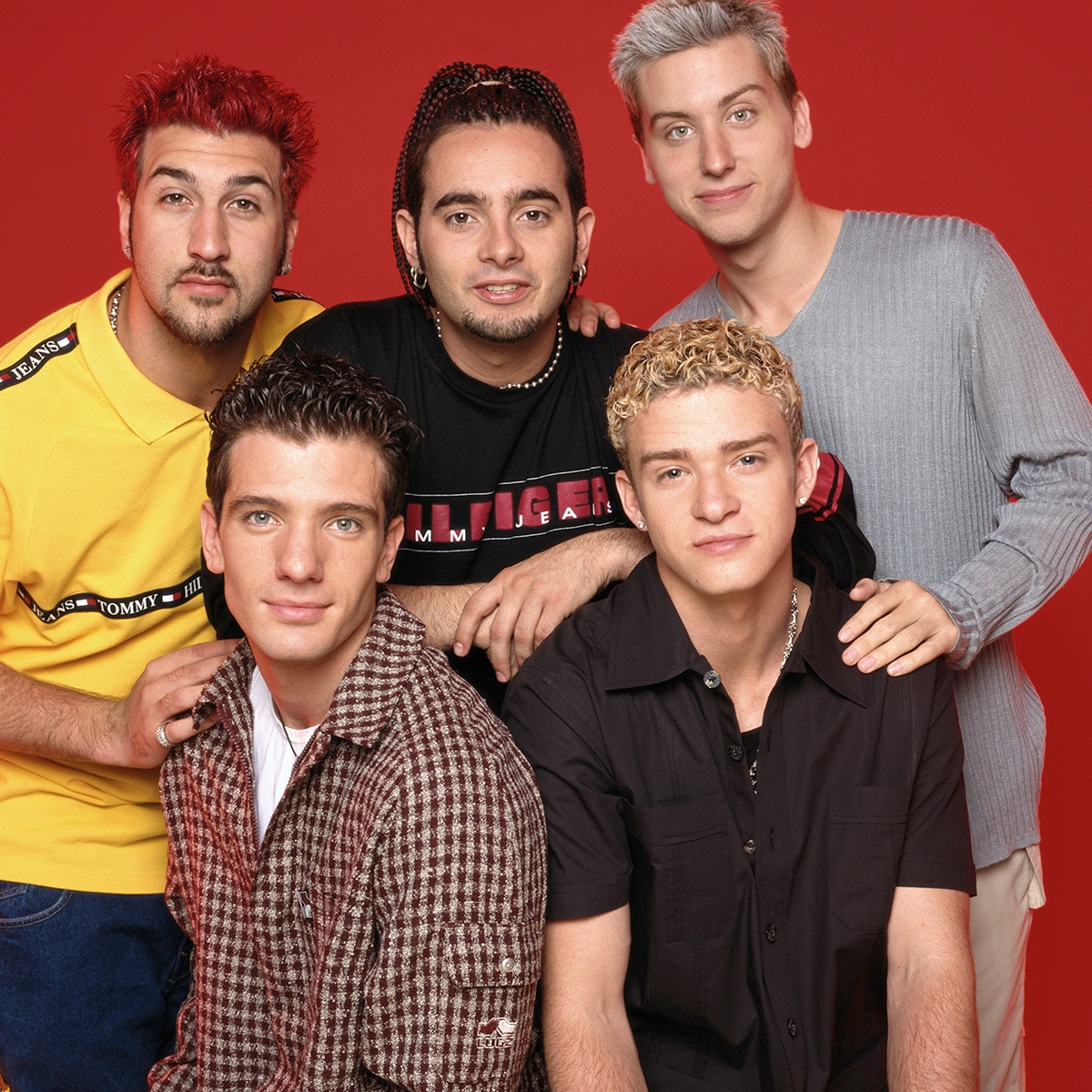
Bass, now 47, was part of *NSYNC alongside JC Chasez, Joey Fatone, Chris Kirkpatrick and Justin Timberlake from 1995 until the group went on indefinite hiatus in 2002. Their origin story was built in Europe before the band broke through in the American market, and Bass says the members were effectively working for free for two or three years before that first $10,000 check showed up.
To be clear, $10,000 split across five band members after years of work is not a glamorous windfall. It is the sort of number that might cover a modest car, a few months of rent or one aggressively priced music-video outfit. It is not exactly a retirement plan for the faces of a pop empire.
And then there was the merchandise. Bass specifically pointed to the sheer scale of the *NSYNC merch machine, saying he did not know how many millions were made from it. Fans were buying the shirts, dolls, posters and every other piece of branded evidence that they had chosen a favorite. The band was everywhere, but Bass says the money was not necessarily following them there.
“It’s so weird how people think I’m so filthy rich from *NSYNC,” he said. “No. Not at all.”
That is the detail that gives this story its particularly sharp sting. To the public, *NSYNC represented peak pop-star abundance: giant tours, platinum records and a level of teen-magazine saturation that made it impossible to enter a pharmacy without seeing at least one member’s face. But cultural visibility and personal wealth are not twins. Sometimes they are barely acquaintances.
Welcome to the Lou Pearlman School of Adults Being in the Room
Bass did not frame the situation as a quirky accounting error. He connected it to the late Lou Pearlman, the group’s former manager, who was sentenced to 25 years in prison in 2008 on charges including conspiracy, money laundering and making false statements during a bankruptcy proceeding.
Bass called Pearlman “one of the biggest scam artists of all time” and said Pearlman “made a lot.” The singer also described carrying resentment toward Pearlman and the record label because he felt there was no one protecting the members.
His sharpest criticism was aimed not only at the people allegedly taking advantage of the situation, but at the adults who watched young performers work themselves into the ground and treated youth as a substitute for labor protections.
“The adults in the room saying, ‘You’re just a kid, you’re fine. Dance, land on your knees. You’re young, you don’t need to sleep, you’re a kid,’” Bass recalled. “Well, who cares if you’re young? You still need to make a living and set yourself up for the future.”
It is a very different image of the glossy late-’90s pop machine than the one sold in music videos. The choreography says: synchronized joy. The accounting says: please enjoy this $35.
Bass’s comments also land differently now because the group’s original members have had decades to live with the afterlife of that success. The public tends to treat a famous catalog as a permanent ATM, especially when the songs remain instantly recognizable. But Bass said the group does receive residuals, just not very much, and that he “didn’t make money with *NSYNC hardly at all.”
That distinction matters. A song can be culturally immortal without making every person associated with it rich forever. In fact, the bigger the nostalgia economy gets, the stranger it feels to hear one of the people who created the nostalgia say the economy did not exactly include him.
The Boy-Band Stigma Came With a Second Bill
Money was only part of the problem. Bass said the members also had to “start over” after *NSYNC, dealing with the stigma attached to being in a boy band at a time when the industry treated that category as disposable, manufactured or somehow less serious than other forms of music.
“You were looked at as less than, you were made fun of,” he said. “So try parlaying a career after being in a band like that where no one took you seriously.”
That may be the most revealing part of his reflection. The group could be considered valuable enough to power a massive merchandise operation, but not artistically respectable enough to make the transition afterward easy. First, the members were told they were too young to worry about money. Then, once the machine moved on, they were told the thing that made them famous was not serious.
Bass said the members were left to build their post-*NSYNC lives themselves. He is now a television host and entertainer, and he shares twins with his husband, Michael Turchin. But the fact that he did well after the band does not erase what he says happened during it. Success after the fact is not retroactive compensation.
He also admitted that he wishes *NSYNC had continued, pointing to the Backstreet Boys as an example of a group that kept working together. Bass said the members remain close and talk every week, but the band continuing as an active unit “wasn’t in the cards.”
Which leaves *NSYNC in the most bittersweet corner of pop history: beloved enough to be remembered forever, profitable enough to sell out tours and merchandise, and apparently underpaid enough to make $35 sound like a personal insult.
Somewhere, a teenager is currently wearing a vintage *NSYNC shirt that cost more than the band’s first daily allowance. The circle is not complete, but it is certainly accessorized.