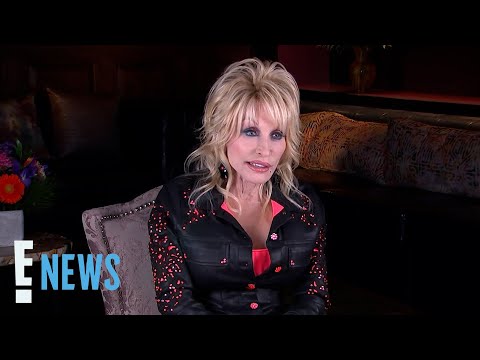
Dolly Parton’s Private Marriage Still Has Everyone Curious
Dolly Parton has spent decades making herself wonderfully legible to the public: the songs, the wigs, the one-liners, the rhinestones. Her marriage is another story. A retrospective from E! News turns the spotlight toward Parton’s relationship with Carl Dean, the husband who has remained notably outside the celebrity machine.
That contrast is the hook. In an industry where romance is often treated like a promotional asset, Parton and Dean’s nearly 60-year marriage has been defined by privacy. Us Weekly is also revisiting the couple’s long relationship, giving the story cluster a rare focus: not a new split, a suspicious photo or a social-media breadcrumb, but the endurance of a partnership that has largely resisted public packaging.
“Ultra-private” can be a tired celebrity descriptor, but here it is the entire plot. Dean’s relative absence from the fame cycle has helped keep attention on the fact of the marriage rather than turning every appearance into a referendum on its health. That is a meaningful distinction in gossip terms. The less access the public receives, the more carefully every retrospective has to handle the line between curiosity and entitlement.
Parton’s celebrity makes the restraint especially striking. She is one of the most recognizable performers in the world, yet the relationship does not function like a conventional celebrity brand extension. There is no built-in expectation that the couple must constantly perform together for cameras, sell a shared image or narrate every chapter in real time. The mystery is not necessarily manufactured; it may simply be the result of keeping one part of life offstage.
That gives this retrospective a different flavor from the usual anniversary coverage. The appeal is not a fresh revelation so much as the steady fascination of a marriage that has outlasted multiple versions of celebrity culture. Parton’s public persona is famously expansive, while her relationship has remained comparatively contained. That split makes the romance feel more intriguing, not less.
For readers, the takeaway is refreshingly simple: Parton and Dean are still being discussed because their marriage has stayed durable without becoming constantly available. In a fame economy built on access, their privacy is the rare headline that keeps its shine.
Tom Brady’s Leather-Pants Phase Has Officially Arrived
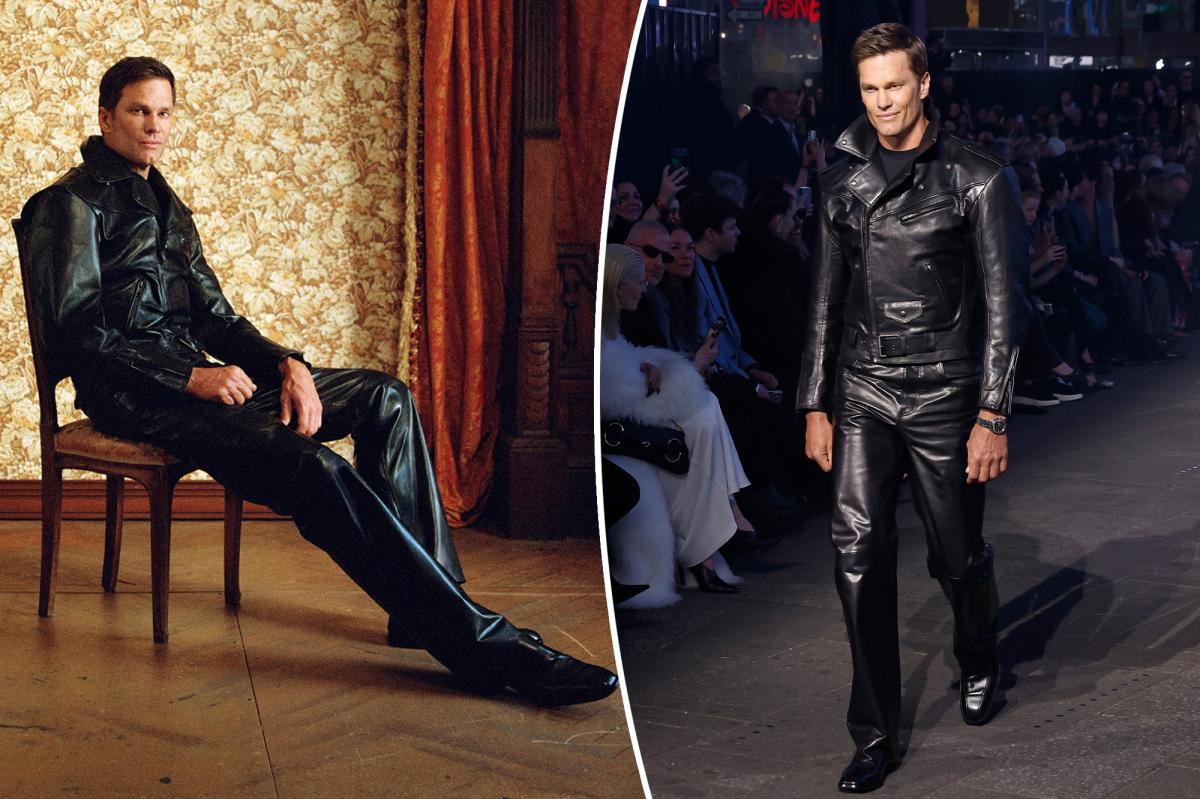
Tom Brady has spent years building a wardrobe that rarely asks for attention. Leather pants, however, are not known for entering a room quietly. According to Page Six’s report on his GQ interview, Brady has embraced the look—and says the trousers are genuinely comfortable.
That is a meaningful endorsement from a man whose public style has generally favored polished tailoring, clean basics and the controlled minimalism expected of a luxury menswear campaign. Leather pants come with a little more theater. They suggest rock star, runway regular and someone who has decided that sitting comfortably is no longer the only requirement for getting dressed.
The timing also gives the style moment a distinctly celebrity-fashion gloss. Related coverage from Just Jared shows Brady appearing in leather alongside Shawn Mendes for Gucci’s Primavera campaign imagery, placing the former NFL star in a visual world far removed from game-day uniforms and broadcast-booth suiting.
Brady’s appeal here is not that he suddenly looks like a different person. It is that leather gives his familiar, disciplined presentation a sharper edge. He is still unmistakably polished; the trousers simply make the polish a little less predictable. That is often how a celebrity style shift works best—not as a total reinvention, but as one item that changes the temperature of the entire outfit.
There is also a small generational flex in the choice. At 49, Brady is not dressing to prove he can keep up with younger stars. He is appearing beside one in a major fashion campaign and treating the clothes as a natural extension of the assignment. The message is less “look at me taking a risk” and more “of course I own these.”
Whether this becomes a lasting signature or a particularly effective campaign look remains to be seen. But the leather-pants conversation has already done its job: it has moved Brady from dependable menswear territory into the much more entertaining category of celebrity who may, in fact, have a preferred pair.
David Zaslav Reportedly Becomes the Looney Tunes Villain
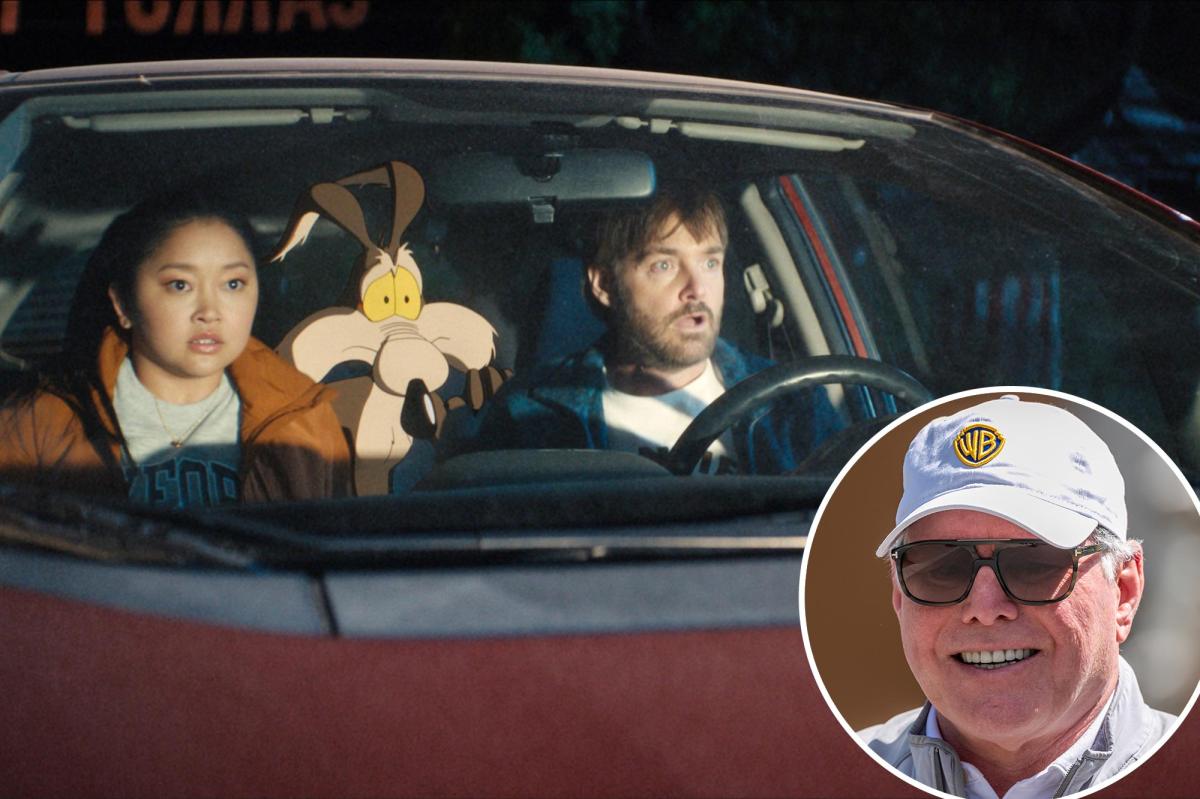
David Zaslav may be getting the kind of screen time no chief executive puts in a quarterly forecast. According to Page Six, a shelved Looney Tunes movie reportedly casts the Hollywood CEO as its villain, transforming a real-world power player into a cartoon target.
That is an irresistible bit of show-business symbolism: the executive is associated with the business decisions surrounding a major entertainment company, while Looney Tunes represents old-school studio mythology in its most brightly colored form. Put those ingredients together and the joke practically writes itself—assuming the movie was ever meant to be more than a private creative provocation.
The important word here is “shelved.” The report does not establish that the film is headed for theaters, streaming, or any public release. It also does not provide enough detail to say how prominently Zaslav appears, whether the character uses his name, or whether the depiction is meant as satire, an in-joke, or something more pointed. In Hollywood, projects can be announced, rewritten, paused, abandoned, and revived before the popcorn is even ordered.
That uncertainty makes the box-office question deliciously premature. A movie that never leaves the vault cannot technically have the last laugh at the box office, though the controversy around its reported premise could give it a strange afterlife. Sometimes the most valuable scene in an unreleased film is the one people imagine without ever seeing.
There is also a built-in power dynamic here. A corporate leader becoming the villain in a cartoon associated with the entertainment world is a neat reversal of the usual arrangement, where executives remain offscreen while fictional characters absorb the consequences. Whether the project was intended as a serious feature or an especially elaborate punchline, the reported casting idea lands because it turns an industry figure into a piece of pop-culture shorthand.
For now, this is a one-source Hollywood oddity, not a confirmed release plan or a verified public feud. If the movie stays shelved, Zaslav’s most memorable appearance may be as the villain in a film audiences never get to watch.