
Jessie James Decker Says She’s Removing Her Large Implants
Jessie James Decker is ready to make a major change to the body feature she says has defined her silhouette for years. Page Six reports that Decker is removing her breast implants, explaining that they have been so large for so long, she is unsure what is underneath them now.
Her comment is striking because it is less a glossy celebrity reveal than a surprisingly blunt admission about body image. Implants can become part of a person’s public presentation, especially when styling, red-carpet fashion and social media all reward a recognizable shape. Decker’s remark cuts through that polished packaging: after years of living with an augmented figure, she says the natural version of her body feels unfamiliar.
There is no indication in the supplied report that the procedure has already happened. The coverage also does not provide a specific date, medical reason, surgical plan or recovery timeline. That distinction matters. This is a reported decision and personal explanation, not a medical update with details about her care.
Still, the choice carries a revealing celebrity-gossip hook. Decker is not simply changing a wardrobe or switching up a beauty look; she is questioning a long-standing part of her public image. Removing implants can mean navigating a different relationship with clothing, photographs and the expectations attached to a familiar body type. That tension is what makes her wording land harder than a standard announcement about a cosmetic adjustment.
For Decker, the most telling phrase may be the simplest one: she does not know what she has underneath it all. It turns an elective personal decision into a larger comment about how easily an altered appearance can become the version everyone—including the person living in it—comes to recognize. Page Six is currently the sole source in this story cluster, so the specifics remain limited, but the underlying message is clear enough: Decker wants to find out what her own body looks like without the extra architecture.
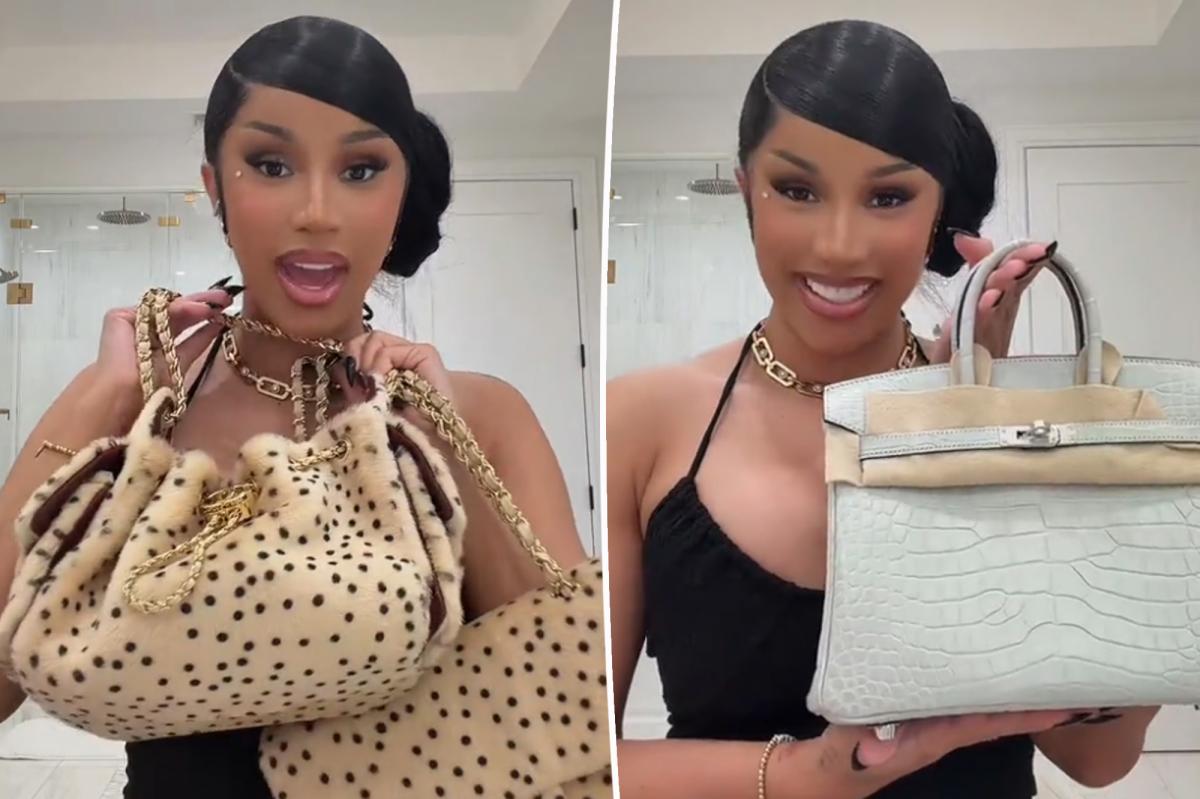
Cardi B’s Designer Bag Haul Tops $187,000
Cardi B has never treated quiet luxury as a requirement. According to Page Six, the rapper recently showed off a designer handbag haul valued at more than $187,000, with Chanel, Hermès and Bottega Veneta represented in the eye-popping collection.
The price tag is the headline, naturally, but the label mix tells its own story. Chanel brings instantly recognizable fashion-house polish, Hermès carries the rarefied collector appeal, and Bottega Veneta adds a more modern, texture-forward note. Together, they make the haul feel less like a single splurge and more like a carefully assembled luxury wardrobe.
That distinction matters because Cardi’s fashion flexes are rarely just about owning expensive things. Her public style has long leaned maximalist, playful and highly visual, so a bag lineup this extravagant fits the larger Cardi formula: if the accessory is going to appear, it may as well arrive with a five-figure backstory.
Still, the reported total is what gives this particular display its deliciously absurd edge. Plenty of celebrities carry one spectacular bag at a time. A haul crossing the $187,000 mark turns accessories into a full production—and gives everyone else a reason to reconsider the financial wisdom of calling a handbag “just a bag.”
Page Six is the sole source in the available coverage, so the valuation should be treated as a reported estimate rather than an independently verified tally from BAD GOSS. Luxury pricing can also vary depending on the specific model, condition, availability and resale market, especially when Hermès pieces enter the conversation.
Either way, Cardi appears to have delivered exactly the kind of celebrity fashion spectacle social media rewards: recognizable names, an outrageous number and enough polished leather to make a closet feel like a boutique. The bags may be the stars of the haul, but the real accessory is Cardi’s talent for making extravagance look like content.

Bernie Moreno’s Defense of Natalie Harp Raises a Gender Question
Bernie Moreno is defending Natalie Harp with an argument designed to provoke: according to TMZ, the Ohio senator said the attention surrounding Harp would be far less intense if she were a man.
That framing turns a defense of one Trump aide into a broader complaint about how women in political orbit are judged. Moreno’s point, as reported, is not simply that Harp is being criticized unfairly. It is that the criticism is allegedly amplified by her gender—a claim that shifts the conversation from Harp herself to the rules of public scrutiny.
There is plenty to unpack in that move. Gender bias is real, but invoking it can also function as a rhetorical escape hatch: instead of addressing why a public figure has become a topic of discussion, the defender challenges the audience’s motives. That does not prove Moreno’s argument wrong, but it does make the claim difficult to separate from the political theater surrounding it.
Harp’s connection to Donald Trump gives the dispute an especially combustible backdrop. People attached to a high-profile political operation rarely receive ordinary levels of attention, and every defense can create a second story about the person doing the defending. Moreno’s intervention does exactly that, making his wording nearly as notable as the subject he was discussing.
For now, the available reporting comes from TMZ, which is why the cleanest read is that Moreno made the gender-based argument as described—not that every interpretation of the exchange is settled. The remark is provocative enough to travel, but its larger meaning depends on context that has not been supplied here. In gossip terms, this is less a closed case than a sharply worded political defense with plenty of room for argument.