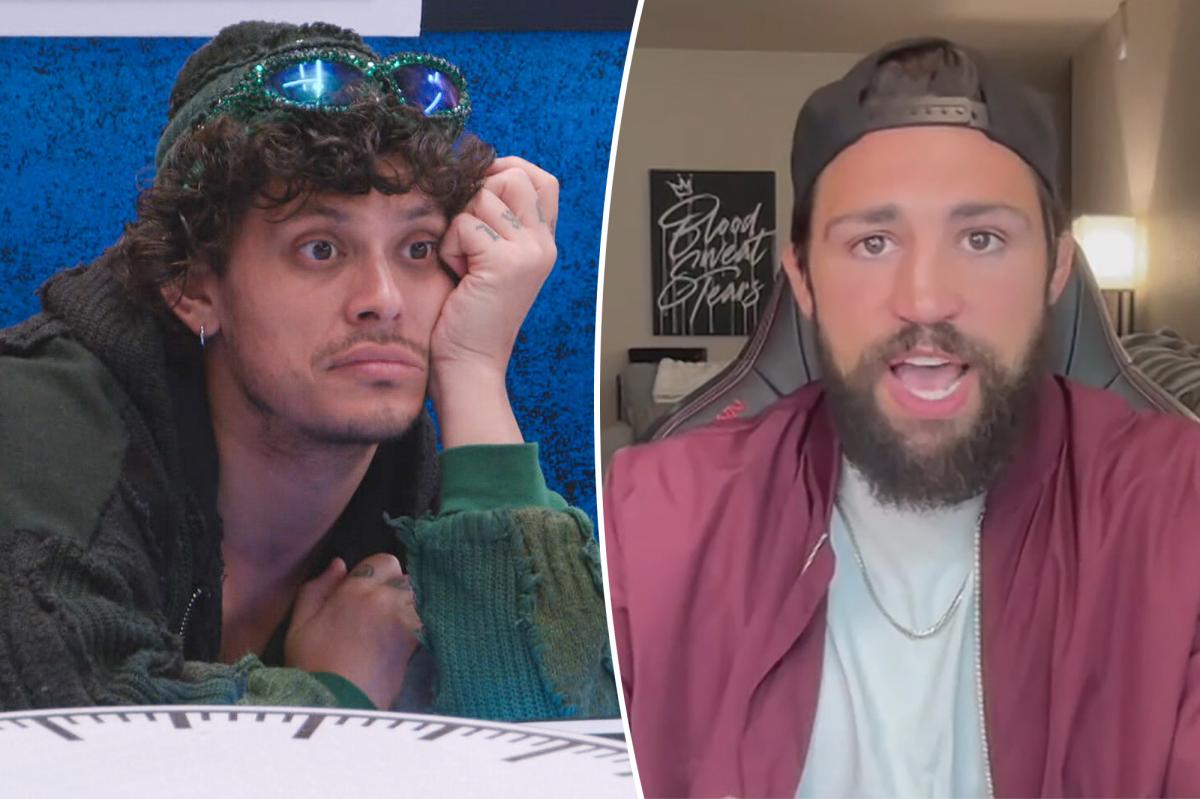
Kamu Kirk Says His Drag Comments Weren’t an Attack
Big Brother 28 star Kamu Kirk is defending himself after comments about drag became a source of controversy, telling Page Six, “I was never trying to attack the community.” It is a familiar reality-TV maneuver: the comment lands, the backlash follows, and suddenly the person at the center of it is explaining the intention behind the words.
Kirk’s response matters because it does not appear to be a denial that the remarks happened. Instead, the defense focuses on what he says he meant. That distinction is doing a lot of work here. In public controversies, intent can explain a statement, but it does not automatically erase how people received it—particularly when the subject touches a community accustomed to being discussed, judged, and turned into a culture-war prop.
The available report does not provide the full wording or context of Kirk’s original comments, so there is no responsible way to reconstruct the exchange or assign it a sharper meaning than the supplied facts support. What is clear is the shape of the dispute: Kirk’s remarks were characterized as controversial, and he has now publicly framed them as something other than an attack on the drag community.
That leaves the Big Brother audience with a controversy built less around a clean apology than around clarification. Those are not interchangeable. An apology addresses impact and responsibility; a clarification argues that the speaker’s intent was misunderstood or misread. Kirk’s quoted defense lands in the second category, which means the reaction may depend heavily on the original wording and whether viewers believe his explanation meets the moment.
For a reality-TV personality, this is also a particularly sticky kind of publicity. The show may be built around alliances, betrayals, and confessionals, but the post-show conversation often becomes its own competition for narrative control. Kirk is making his position plain: he says he was not attempting to attack the community. Whether that settles anything will depend on the context of the comments and the response from the people who felt targeted by them—details not established in the supplied coverage.

Cristiano Ronaldo Goes Honey Blonde After Wedding
Cristiano Ronaldo appears to have swapped his familiar dark-haired look for something considerably sunnier. E! News reported that the football star debuted a honey-blonde hairstyle days after linking the timing to his wedding with Georgina Rodríguez.
That is a very Ronaldo sequence: major relationship milestone, followed almost immediately by a highly visible grooming decision. The color change gives his usual sharply styled appearance a softer, brighter finish, but it is still polished enough to look deliberate rather than accidental. This is not a tiny trim hiding under a baseball cap. It is the kind of makeover designed to be noticed.
The timing is what gives the switch its gossip value. A wedding already creates an unavoidable flood of attention around a couple’s public image; a dramatic hair reveal adds another visual headline without requiring either person to make a statement. Whether the new shade was planned for the celebration, arrived afterward, or simply happened to land in the same news cycle has not been established by the supplied reporting.
For Ronaldo, image changes are never entirely disconnected from the larger brand. His public presentation tends to be controlled, camera-ready and easy to recognize, so even a familiar style move can read as a reset when the color is this different. Honey blonde is less rebellious than platinum, but it is still a conspicuous departure from the look audiences generally associate with him.
The Rodríguez connection also makes the makeover feel more personal than a routine athlete haircut. E! News framed the reveal around the couple’s wedding timing, turning a beauty change into a post-celebration chapter of the Ronaldo-and-Rodríguez public narrative. That framing is worth keeping in mind: the hair color is the visible fact, while any deeper meaning remains interpretation.
One related item in the cluster concerns Kate Middleton debuting honey-blonde hair in a separate photo, but that does not independently confirm Ronaldo’s look or establish a shared trend. For now, the strongest read is simple: Ronaldo reportedly went lighter at a moment when every fresh detail around his personal life was bound to attract attention.

Katey Sagal Marks 40 Years of Sobriety With Family
Katey Sagal is marking a milestone that carries more weight than a typical celebrity anniversary: 40 years of sobriety. E! News reported the occasion alongside details about Sagal’s “wonderful life” with husband Kurt Sutter and their family, while Just Jared also covered the celebration.
The moment puts a deeply personal achievement alongside the public-facing parts of Sagal’s life. She and Sutter, whose marriage has long been part of their shared Hollywood identity, were also highlighted as parents to three children. That combination gives the story its real appeal: this is not simply a career retrospective or a red-carpet headline, but a look at the life Sagal says she has built over four decades.
Forty years is an unusually significant marker, especially in an entertainment industry that tends to package personal history into neat, promotional sound bites. Sagal’s milestone stands out because it is both specific and lasting. Rather than a vague reference to wellness or a fleeting lifestyle reset, the reported celebration centers on a number that represents an enormous span of time.
There is also a revealing contrast in the way celebrity culture usually handles private milestones. Public figures are often expected to turn major personal news into a polished brand moment, while sobriety can involve complicated, intimate histories that do not belong to the audience. The coverage keeps the focus on Sagal’s achievement and present-day family life without needing to manufacture drama around the past.
For Sagal, the milestone adds another dimension to a career familiar to television audiences, including her work on Sons of Anarchy. For viewers, it is a reminder that the most meaningful celebrity updates are not always about a new role, a breakup, or a red-carpet surprise. Sometimes the headline is simply that someone reached a remarkable anniversary and chose to celebrate the life surrounding it.
That makes this a rare kind of Hollywood update: warm, personal, and grounded in time rather than hype. Based on the matching reports from E! News and Just Jared, Sagal’s 40-year sobriety milestone is the story—not an excuse to invent a scandal around it.