Trump’s Reported Lake Ontario Rename Is Pure Internet Bait
Donald Trump may have found the most Trump-shaped way possible to leave a mark on the map: according to reports from Just Jared and Reality Tea, the president has renamed Lake Ontario “Lake America” through an executive order.
Yes, the Great Lake formerly known as Lake Ontario is at the center of a full-blown naming drama. The supplied reports point readers to the executive order itself, but the details available here do not establish how the order would be implemented, whether the change applies beyond U.S. federal usage, or how other governments and institutions would respond.
That last point matters because Lake Ontario is not an entirely domestic landmark. The lake borders both the United States and Canada, making any attempted American rebrand immediately more complicated than swapping a label on a government website. Maps, educational materials, legal references, tourism campaigns and international usage would all be potential arenas for disagreement—but the reports provided do not confirm which, if any, of those systems would actually change.
Still, the viral appeal is obvious. Trump’s political brand has always relied heavily on spectacle, oversized symbolism and the idea that naming something is a form of ownership. “Lake America” is less a subtle geographic adjustment than a slogan with shoreline. It sounds designed to dominate the conversation, whether or not ordinary people, Canadian officials or anyone with a functioning sense of cartographic continuity agrees to use it.
BAD GOSS perspective: this is exactly the kind of story that turns a routine news cycle into a group-chat emergency. The name is instantly repeatable, visually ridiculous and tailor-made for jokes, arguments and screenshots. It also fits the broader internet logic of Trump coverage, where the attention-grabbing gesture can become the story before the practical consequences are clear.
For now, the safest read is that multiple outlets are reporting an executive-order-backed name change, while the wider legal and international impact remains unclear from the available information. Until the order’s text and implementation details are independently assessed, “Lake America” is a reported political stunt with a very large surface area for discourse.
Callaway Golf Cuts Ties With Good Good After Ad Fallout
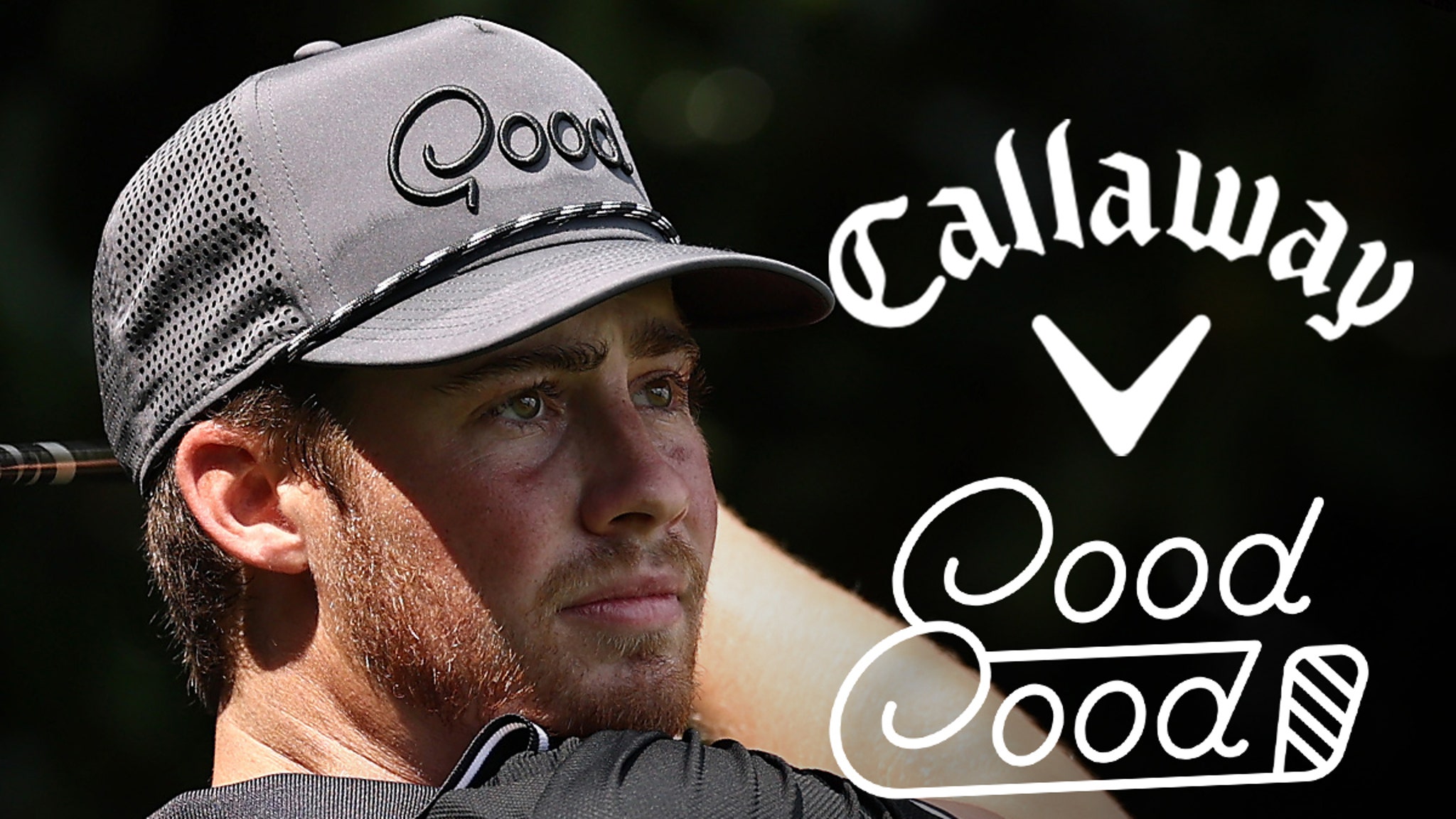
The golf-content world has a fresh sponsorship split to dissect. According to TMZ, Callaway Golf is ending its relationship with Good Good after a controversial advertisement drew enough attention to put the partnership under a very public spotlight.
The report connects the fallout to Good Good and Garrett Clark, making this more than a routine corporate reshuffle. When a major equipment brand separates from a creator-led property, the message is rarely subtle: whatever value the partnership brought, the reputational headache apparently became harder to justify.
Details about the advertisement itself remain limited in the available reporting, so the internet’s inevitable guesswork should be treated as exactly that. What is established is the basic sequence: a viral ad triggered controversy, and Callaway subsequently moved away from Good Good. TMZ has also published related video coverage describing the company’s decision.
That timing matters. Influencer partnerships are built to make brands feel culturally current, but the same closeness can create a fast-moving liability problem. A traditional golf company can spend years polishing a dependable image; one widely circulated piece of creator content can force executives to decide whether reach is still worth the noise.
For Good Good, the split puts the brand’s commercial relationships under fresh scrutiny, even if it does not tell us anything definitive about its broader business. For Callaway, the exit looks like a statement about control: sponsorships are meant to amplify a brand’s identity, not leave it explaining someone else’s controversy.
And for viewers, this is the part of modern celebrity-business drama that keeps repeating: the ad is made for attention, the attention arrives, and then the lawyers, marketing teams and comment sections begin fighting over who owns the consequences. Until more specifics emerge about the ad or the terms of the separation, the cleanest read is a confirmed report of a partnership breakup with an incomplete backstory.
Bunnie XO Serves Abs With a Jelly Roll Punchline
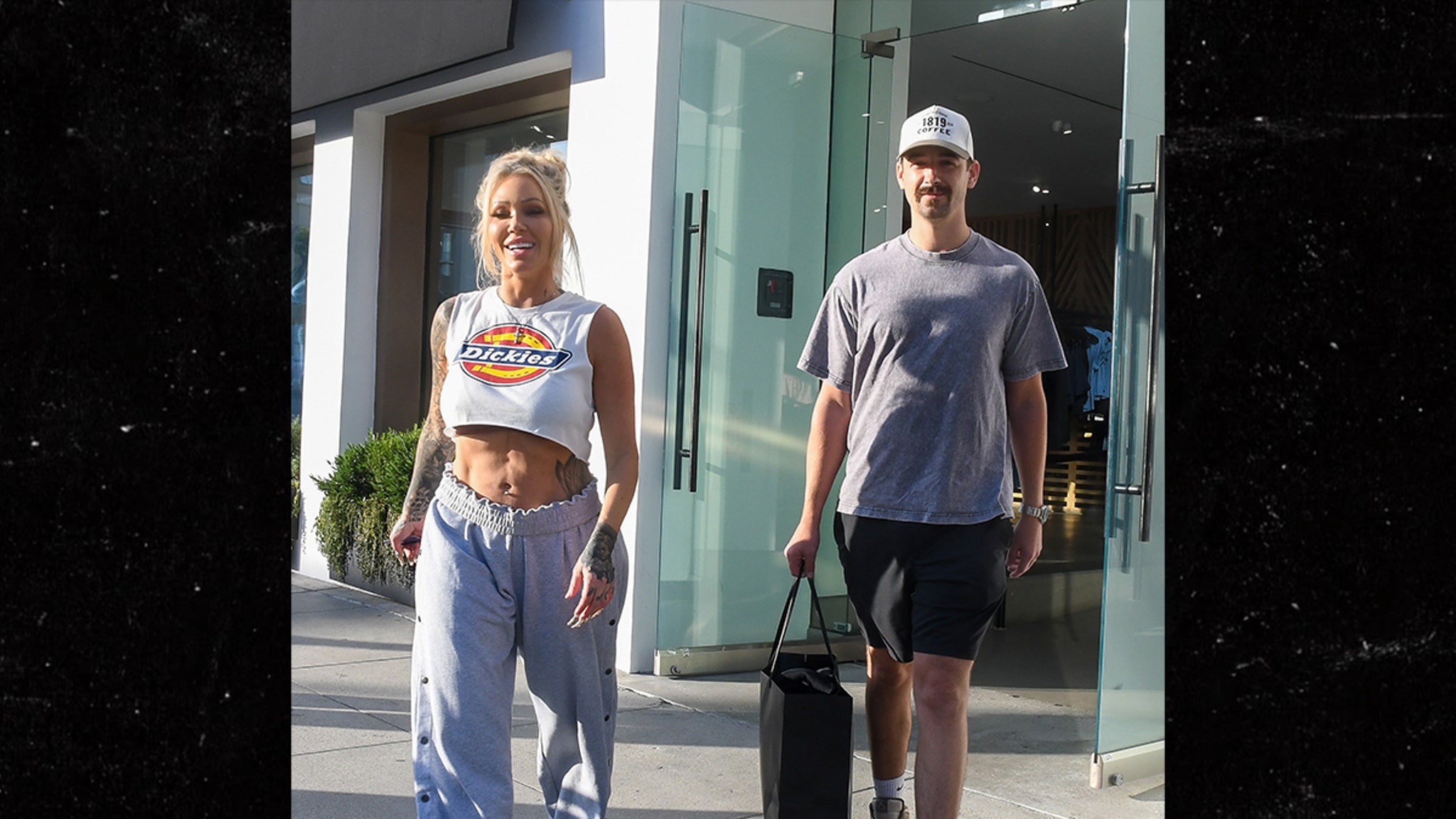
Bunnie XO is putting the punchline exactly where the caption says it is: nowhere near her stomach. In a social-media post covered by TMZ, the model and podcaster showed off her midsection while making a playful reference to Jelly Roll, turning a body reveal into a very specific piece of celebrity commentary.
The joke lands because “Jelly Roll” is not just a phrase in Bunnie’s orbit. It is the stage name of the country-rap star, making the post read as both a fitness-minded flex and a wink toward the relationship that made the pair one of the more recognizable couples in music culture. TMZ framed the upload as arriving after their divorce, giving the otherwise familiar abs photo a little more narrative bite.
That timing is doing plenty of work here. A celebrity showing off a transformation or a confident look is standard social-media currency; adding a former partner’s name turns it into something followers can decode, debate and pass around. Bunnie did not need a long explanation. The visual supplied the lifestyle content, while the wordplay supplied the gossip.
There is also a shrewd bit of brand management in the post. Bunnie has built a public persona around candor, humor and a willingness to speak directly to internet chatter. A cheeky caption lets her acknowledge the obvious conversation without spelling out every emotion or detail behind it. That keeps the tone light while still making sure the post has a hook beyond “look at my abs.”
For Jelly Roll, the reference is a reminder that celebrity breakups rarely produce a clean editorial exit. Even when the people involved move into separate chapters, their shared history remains useful material for a caption, a headline and an audience hungry for subtext. Bunnie’s post appears designed for exactly that lane: polished enough to function as a confidence statement, pointed enough to invite a second look.
Our read: this is less a mystery to solve than a well-timed social-media bit. The body reveal is the picture; the Jelly Roll line is the reason gossip fans stop scrolling.