Javier Bardem’s Oscars Remarks Draw FCC Complaints
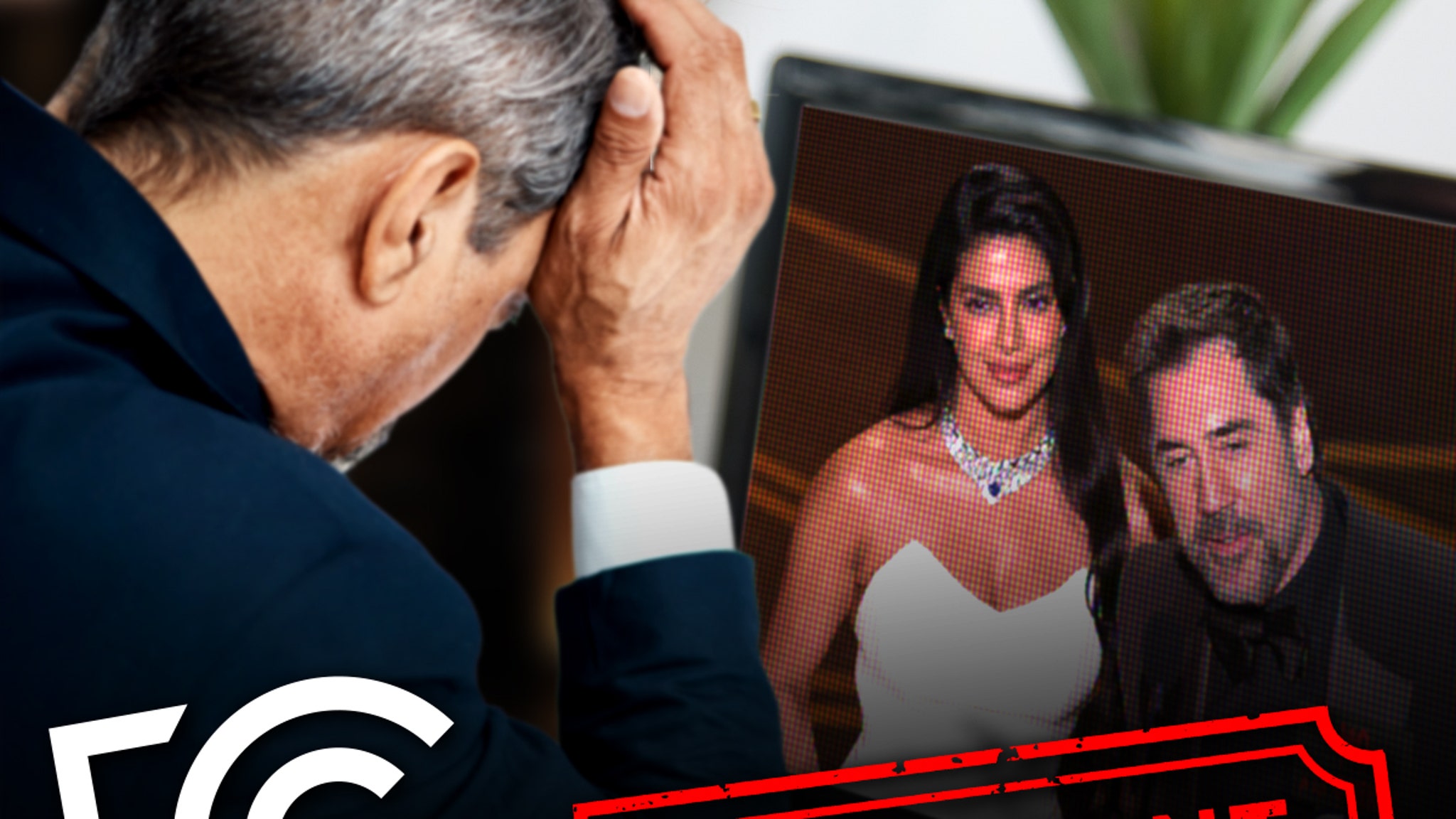
Javier Bardem’s Oscars appearance has moved from awards-show conversation into regulatory territory. TMZ reports that complaints were submitted to the Federal Communications Commission over the actor’s “Free Palestine” remarks during the 2026 Academy Awards.
That distinction matters. The reported development is the filing of complaints, not an FCC decision that Bardem or the broadcast violated any rule. A complaint can put an issue on the agency’s radar, but it does not establish wrongdoing, guarantee an investigation, or predict a penalty. At this stage, the controversy is about the reaction to Bardem’s words—not a formal government judgment on them.
The celebrity angle is obvious: the Oscars are designed to turn performances, speeches and thank-yous into highly visible cultural moments, and Bardem used that spotlight for a political message. “Free Palestine” is a phrase that carries enormous emotional and political weight, so even a brief mention was always likely to travel beyond the room and into the broader argument over what belongs on an entertainment broadcast.
It also places the FCC in an awkward role for pop-culture watchers. The agency is associated with communications regulation, while audiences often treat complaints as if they were verdicts. Those are very different things. The headline may be the existence of the filings, but the meaningful next question is whether the agency takes any formal action—and the available report does not establish that it has.
For Bardem, the episode underscores the trade-off that comes with using an awards stage as a political platform. The message reaches far more people than a conventional interview would, but it also invites scrutiny from viewers who believe televised ceremonies should stay apolitical, as well as from those who see the platform as a legitimate place for artists to speak about international issues.
So far, this is a controversy with a clear celebrity hook and an unresolved regulatory dimension. Bardem’s remarks are confirmed as the subject of the reported complaints; what those complaints lead to, if anything, remains open.
Harry Styles Trades His Shirt for Chanel in W Magazine
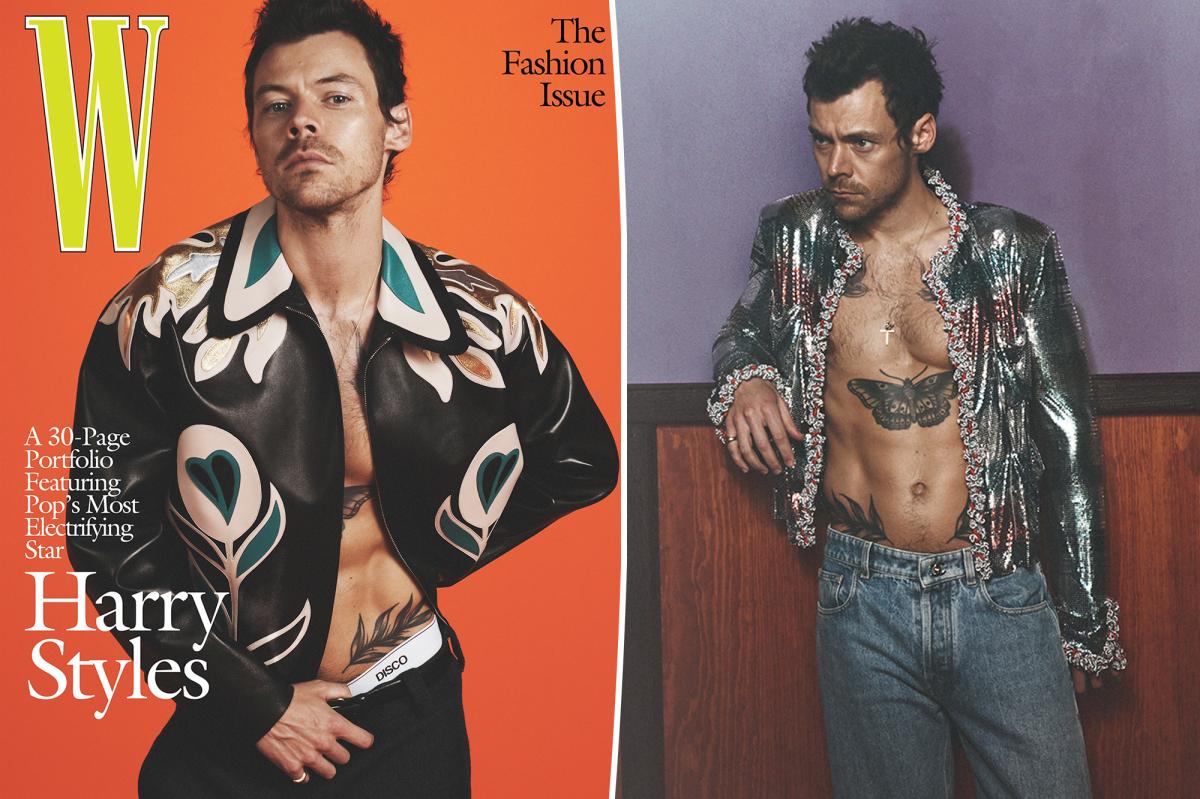
Harry Styles has once again made the shirt optional—and this time, Chanel is involved. Page Six reports that the singer appears shirtless in Chanel for W magazine’s September issue, giving the fashion title a very obvious cover-story advantage: one of pop’s most recognizable faces, styled in one of luxury’s most recognizable names.
The appeal is straightforward, but not exactly basic. Styles has long occupied the overlap between music celebrity and fashion fixation, where a wardrobe choice can become part of the headline rather than a footnote. A shirtless Chanel shoot turns that equation up a notch: the label supplies the polish, while Styles supplies the kind of visual hook that makes a September issue difficult to ignore.
There is also a neat bit of editorial strategy here. September fashion issues traditionally arrive with outsized expectations, and a celebrity image built around glamour, skin and a famous logo is designed to travel well beyond the magazine rack. Even before readers get to the full package, the pairing does the promotional heavy lifting. It is less a quiet style moment than a carefully calibrated collision of luxury branding and pop-star magnetism.
Crucially, the available report is about the shoot itself, not a new romance, scandal or musical announcement. That makes this a fashion story with a gossip-friendly silhouette—not a coded message waiting to be decoded. Styles in Chanel is enough of a headline without assigning secret meaning to every exposed collarbone.
For W, the move puts a major celebrity at the center of its September conversation. For Chanel, it links the house to a performer whose public image has always allowed room for both classic polish and a little provocation. And for Styles, it is another reminder that his celebrity operates on multiple runways at once: stage, screen, red carpet and, now, a magazine spread engineered to make people look twice.
Page Six is currently the sole source identified in this story cluster, so the details should be read as reported rather than independently verified by BAD GOSS. Still, the central hook is clear: Harry Styles, shirtless, in Chanel, for W. Some fashion math does not require a calculator.
Margaret Qualley Joins Red Carpet’s Barefoot Hall of Fame
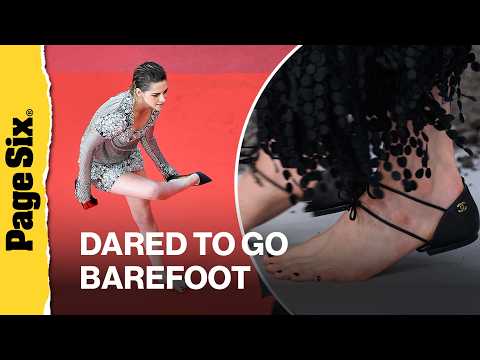
Red-carpet dressing is usually a precision sport: gown, jewelry, clutch, heel, repeat. Margaret Qualley recently disrupted that formula at the London premiere of The Dog Stars, where she wore a black embellished gown with Chanel’s peculiar “barefoot sandals,” according to Page Six. The result was less traditional footwear than a fashion-world optical illusion—part shoe, part exposed foot, and fully committed to making everyone stare downward.
The Chanel design has become a particularly easy target because it appears to split the difference between going barefoot and wearing something decorative. Qualley’s appearance gave the style one of its most conspicuous off-runway showcases, placing an unusual runway idea in the unforgiving ecosystem of a movie premiere, where every hemline and toe can become the story.
But the larger hook is that Qualley is not alone. Page Six’s video roundup places Kristen Stewart among the celebrities who have appeared barefoot on the red carpet, framing the look as a recurring celebrity-fashion move rather than a one-night experiment. That distinction matters: exposed feet can read as rebellious, practical, deliberately casual or simply startling, depending on the outfit surrounding them.
There is also a small power play in refusing the expected heel. Red carpets ask celebrities to look polished while enduring an outfit’s most theatrical demands. Going barefoot—or wearing a design that mimics it—rejects the idea that glamour has to arrive on a stiletto. It can also make the dress do more of the work, leaving the eye to follow the silhouette instead of stopping at a conventional shoe.
Still, this is not a styling choice with much room for subtlety. A dramatic gown paired with ordinary pumps disappears into the familiar red-carpet formula; a dramatic gown paired with visible toes becomes an instant debate. That may be exactly why the look keeps returning. The fashion is unusual, the photographs are memorable, and the comment section gets a job.
For now, the supplied reporting gives us a clear fashion pattern and two recognizable names attached to it, with Qualley as the latest example highlighted by Page Six. Whether barefoot dressing becomes a lasting red-carpet staple or remains a reliably strange celebrity detour, it has already achieved the one thing fashion’s oddest ideas need: people are still talking about the feet.