
Britney Haynes and Danielle Reyes Address Their Traitors Fallout
Britney Haynes and Danielle Reyes are no longer letting The Traitors’ most uncomfortable fallout hang entirely in the castle air. According to Page Six, the reality-TV veterans have addressed where they stand after an “intense” betrayal on the show.
The appeal here is bigger than a single strategic blindside. Haynes and Reyes arrived with the kind of reality-TV history that makes every alliance feel loaded, so a rupture between them carries emotional weight as well as game consequences. When two experienced players collide, viewers naturally start asking the question reality competitions are built to provoke: was this business, personal, or an especially messy combination of both?
Page Six’s report frames the latest conversation around the aftermath rather than simply replaying the betrayal itself. That distinction matters. In a format designed to reward deception, the game can provide cover for almost anything—until the cameras stop rolling and the people involved have to explain what remains when the strategy is over.
Haynes and Reyes speaking about their current standing gives the drama a second act, but it does not automatically erase the original tension. Reality television has trained audiences to treat reconciliation, distance and carefully worded neutrality as very different outcomes. “We’re fine” can mean genuine repair, professional coexistence or a door being closed with excellent manners.
It also puts the spotlight on the unusual pressure of an all-star-style reality environment, where contestants are competing against people who already understand their habits and reputations. A betrayal can therefore land twice: first as a move inside the game, and then as a referendum on trust outside it. That is precisely why this particular fallout has more staying power than a routine vote-off.
For now, the confirmed piece is that the two women have addressed the relationship’s status following the reported betrayal. The supplied coverage does not provide enough detail to declare a full reconciliation—or a permanent fracture. Either way, Haynes and Reyes have made the post-game relationship part of the story, which is often where The Traitors gets its sharpest material.
Jacob Whiteduck-Lavoie Wants More Love Triangles on Sterling Point
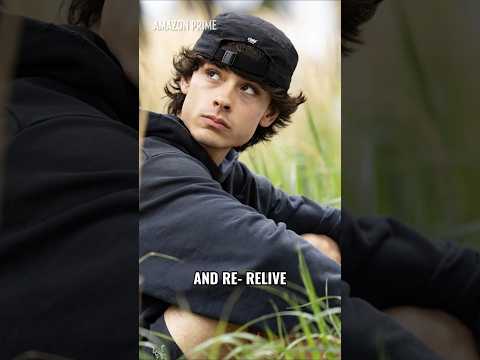
Jacob Whiteduck-Lavoie apparently believes Sterling Point could use a little more romantic turbulence. Us Weekly reports that the reality personality wants Season 2 to feature additional love triangles, a request that would put complicated feelings and competing loyalties closer to the center of the show.
That is an appetite for drama, not confirmation that any particular triangle is already forming. The available report does not identify the people involved, reveal whether any cast members are actually caught between partners, or say that the series has officially committed to the idea. For now, Whiteduck-Lavoie’s comment is best read as a wishlist for the next season rather than a spoiler.
Still, it is a revealing wish. Love triangles are reality television’s most efficient chaos machine: they create shifting alliances, force public choices and give every conversation the potential to become a referendum on loyalty. A season built around them would have plenty of built-in tension, provided the relationships feel real enough to matter and not merely arranged for maximum camera-time discomfort.
There is also a subtle difference between wanting more romantic conflict and promising to deliver it. Whiteduck-Lavoie may be signaling the kind of storytelling he thinks would keep viewers invested, but the report offers no production details or confirmed storyline. Until the cast, format or episodes provide something firmer, the interesting part is the pitch itself: someone associated with Sterling Point is openly asking for higher emotional stakes.
In other words, Season 2 has a drama brief before it has a confirmed triangle. Whether that becomes genuine relationship fallout or simply a tantalizing reality-TV suggestion remains unresolved.
Sandra Bullock’s Shoulder Tattoo May Carry a Personal Tribute
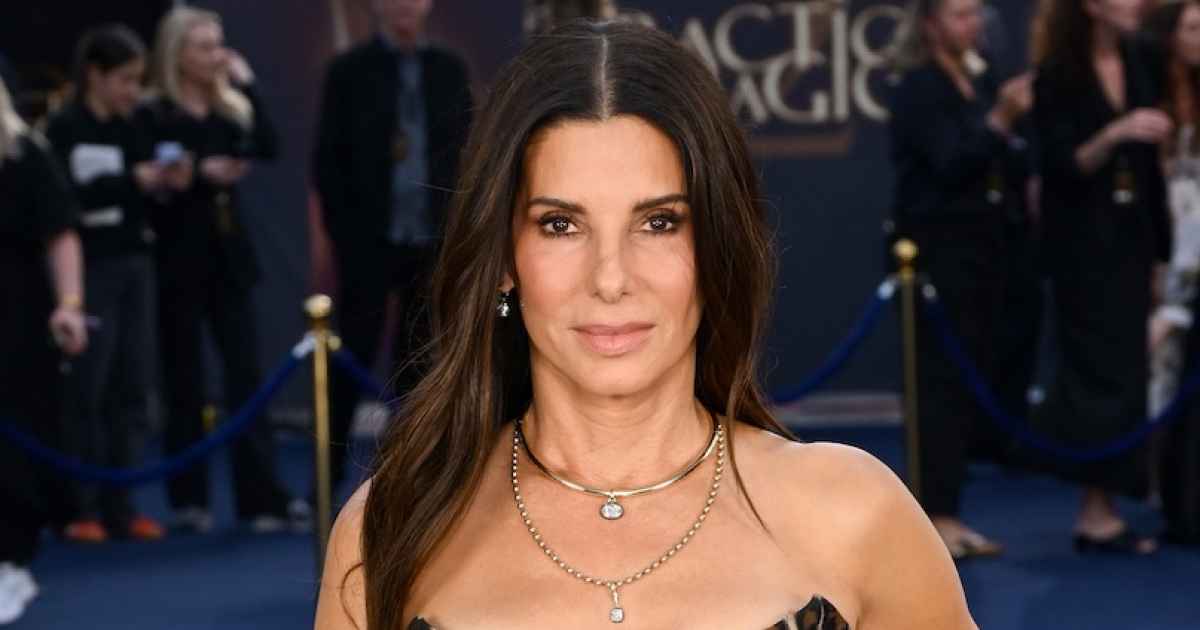
Sandra Bullock has debuted a tattoo on her shoulder, and the placement is already inviting the kind of celebrity decoding usually reserved for cryptic captions and suspiciously meaningful jewelry. According to Us Weekly, the tattoo may be connected to Bryan Randall, adding a personal layer to what might otherwise be a simple style reveal.
That “may” is doing important work here. The report points to a possible tribute, but the supplied coverage does not establish that Bullock has explained the design, identified its meaning, or confirmed that Randall is the inspiration. There is no verified message from Bullock in the material provided that turns the theory into fact.
The appeal of the story is obvious: tattoos are permanent, intimate and unusually easy for the public to treat as evidence. A new shoulder design can be fashion, remembrance, a private symbol or simply something the wearer liked. Without the tattoo’s details or Bullock’s own explanation, assigning a definitive backstory would be more fan fiction than reporting.
Still, the possible Randall connection gives the image emotional weight. Bullock’s personal life has long attracted attention precisely because she tends to keep it away from the daily celebrity content machine. When a visible detail does surface, even a small one, it becomes a rare opening into a part of her world she generally controls closely.
For now, this is a tantalizing clue rather than a confirmed memorial. The most responsible read is also the most interesting one: Bullock chose to show new ink, observers noticed the timing and symbolism, and the meaning remains hers to disclose—or keep entirely private. Until she does, the tattoo belongs in the category of intriguing possibilities, not settled celebrity lore.