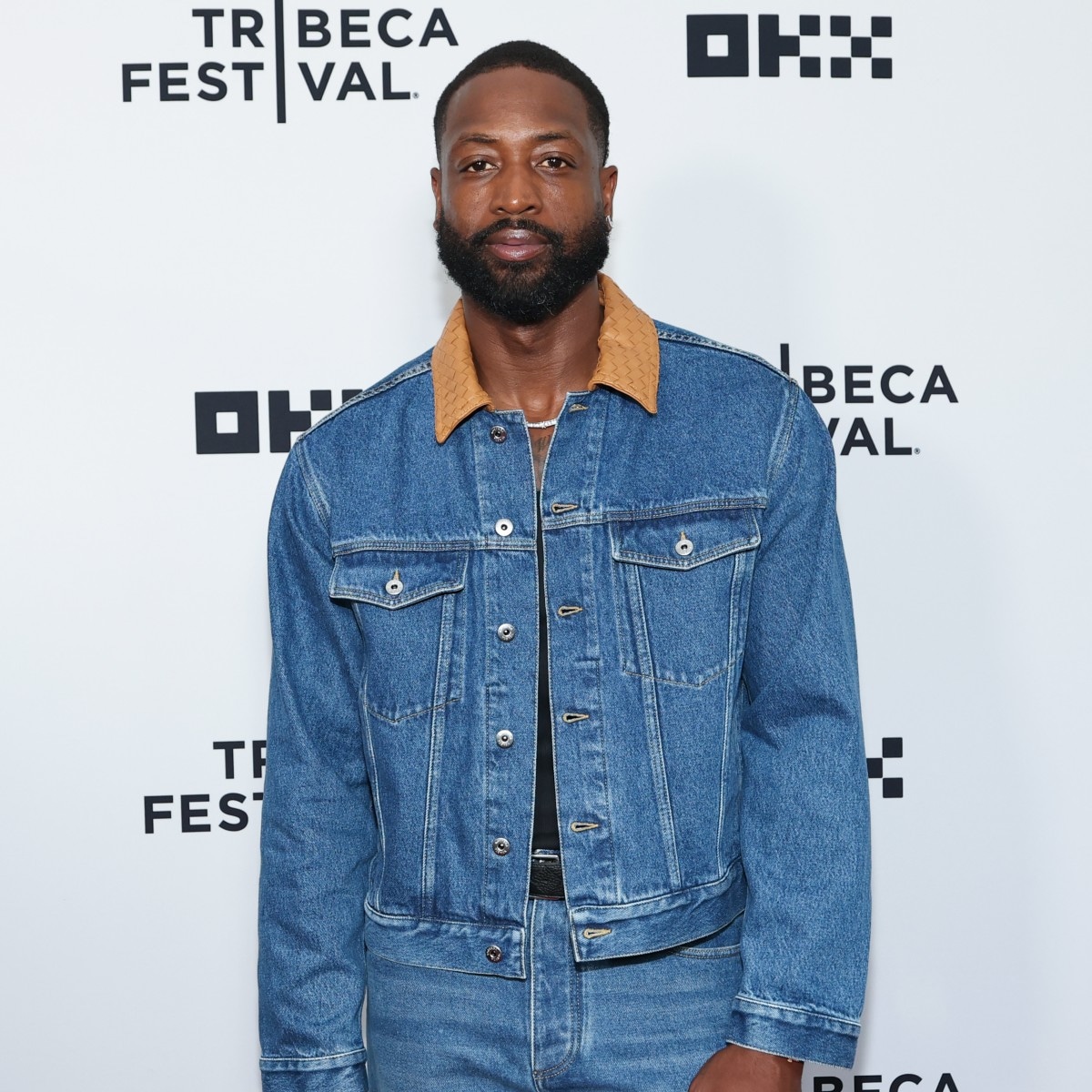
Dwyane Wade Trades His Signature Beard for a Close Shave
Dwyane Wade has apparently decided that less facial hair can make plenty of noise. E! News reports that the former NBA star unveiled his closest shave in years, marking a conspicuous departure from the fuller beard look many fans associate with him.
This is a small change with unusually strong visual impact. A beard can become part of a celebrity’s shorthand: recognizable enough to register before the outfit, the expression or the occasion does. Remove it, and the entire face becomes the headline. Wade’s update lands squarely in that category, less a routine trim than a reset of the image people have grown used to seeing.
The appeal here is not that a famous man visited a barber. It is that grooming is one of the few celebrity style levers that can transform someone without requiring a new wardrobe, a red-carpet entrance or a carefully engineered announcement. The difference between a substantial beard and a close shave is immediate, legible and easy for everyone to debate—which is precisely why these changes travel so well in pop culture.
It also gives Wade’s public style a fresh talking point without attaching a larger narrative to it. The available report does not establish a reason for the shave, whether it is tied to a project, a personal milestone or simply a desire for a cleaner look. BAD GOSS verdict: do not overbuild the backstory when the face card is already doing the work.
For now, the reliable takeaway is visual rather than dramatic. Wade has moved from a familiar bearded silhouette to a much barer one, and the contrast is doing what a good celebrity makeover should: making a known face feel newly conspicuous. No crisis, secret message or grand reinvention is required. Sometimes the gossip is just one chair, one razor and a very different mirror.

Oscar De La Hoya Divorce Includes Two Puerto Rico Properties
Oscar De La Hoya’s divorce has apparently come with a very specific kind of parting gift: real estate. TMZ reports that De La Hoya’s ex-wife will receive two properties in Puerto Rico as part of the couple’s divorce settlement.
The report does not identify the ex-wife in the supplied details, and it does not provide the properties’ locations, values or intended use. That leaves the headline-sized fact intact while keeping the financial fine print tantalizingly out of reach: two Puerto Rico properties are reportedly part of the deal.
That matters because celebrity divorces often become public through the most revealing line items. A home, a business interest or an investment property can say more about the practical stakes of a breakup than a carefully worded statement ever could. In this case, the settlement’s geography gives the story an extra layer of intrigue without requiring anyone to manufacture drama around the split.
Puerto Rico also makes the allocation feel more substantial than a routine division of household belongings. Whether the properties are vacation homes, investment assets or something else is not specified in the available report, so the smart read is to resist filling in those blanks. The confirmed shape of the story is narrower—and cleaner—than the speculation it may invite.
For De La Hoya, the development adds a property-focused chapter to a divorce story that is otherwise light on publicly supplied detail. There is no need to turn that lack of detail into a mystery novel: the notable point is that the settlement reportedly places two Puerto Rico properties with his former spouse.
TMZ is the only source identified in this story cluster, so this is one to file as credible but not fully independently corroborated. Until more documentation or reporting surfaces, the value, condition and future of the properties remain unknown—and that is where the real estate intrigue stops for now.
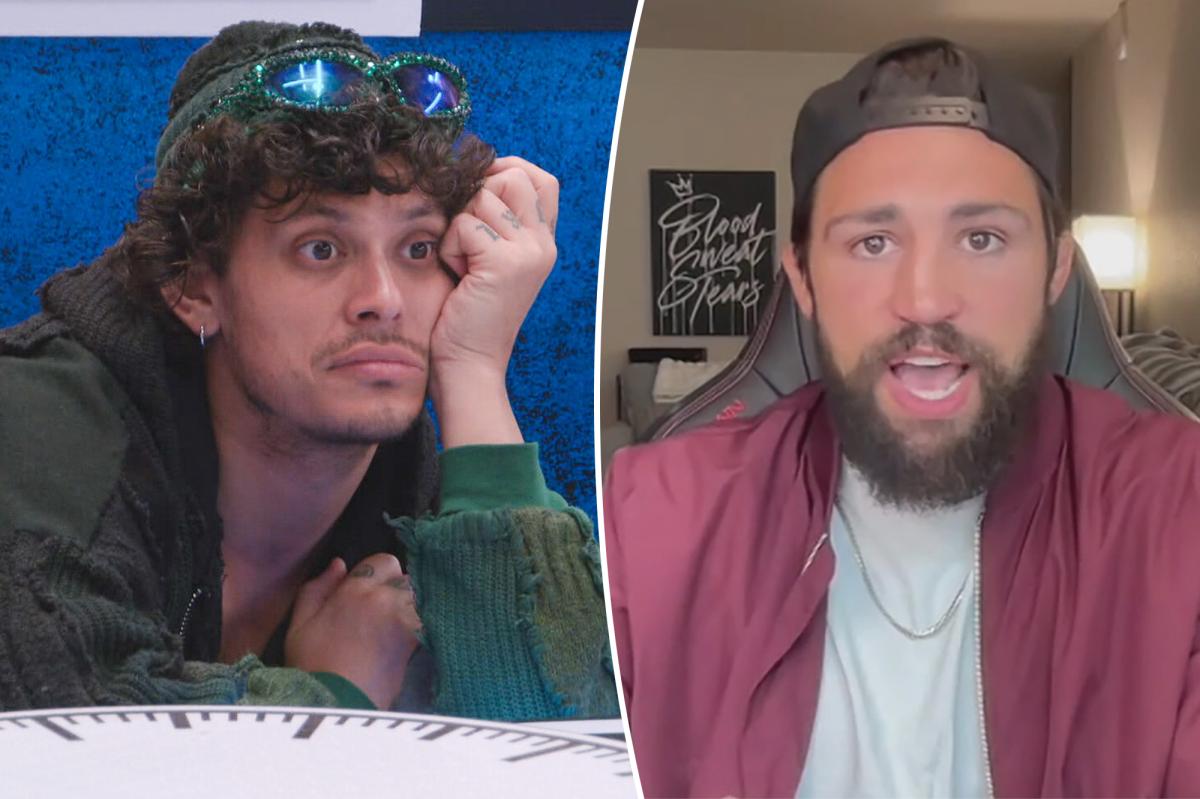
Kamu Kirk Says His Drag Comments Weren’t an Attack
Big Brother 28 star Kamu Kirk is defending himself after comments about drag became a source of controversy, telling Page Six, “I was never trying to attack the community.” It is a familiar reality-TV maneuver: the comment lands, the backlash follows, and suddenly the person at the center of it is explaining the intention behind the words.
Kirk’s response matters because it does not appear to be a denial that the remarks happened. Instead, the defense focuses on what he says he meant. That distinction is doing a lot of work here. In public controversies, intent can explain a statement, but it does not automatically erase how people received it—particularly when the subject touches a community accustomed to being discussed, judged, and turned into a culture-war prop.
The available report does not provide the full wording or context of Kirk’s original comments, so there is no responsible way to reconstruct the exchange or assign it a sharper meaning than the supplied facts support. What is clear is the shape of the dispute: Kirk’s remarks were characterized as controversial, and he has now publicly framed them as something other than an attack on the drag community.
That leaves the Big Brother audience with a controversy built less around a clean apology than around clarification. Those are not interchangeable. An apology addresses impact and responsibility; a clarification argues that the speaker’s intent was misunderstood or misread. Kirk’s quoted defense lands in the second category, which means the reaction may depend heavily on the original wording and whether viewers believe his explanation meets the moment.
For a reality-TV personality, this is also a particularly sticky kind of publicity. The show may be built around alliances, betrayals, and confessionals, but the post-show conversation often becomes its own competition for narrative control. Kirk is making his position plain: he says he was not attempting to attack the community. Whether that settles anything will depend on the context of the comments and the response from the people who felt targeted by them—details not established in the supplied coverage.