
Peter Weber and Jadeyn Carr Are Expecting Twins
Peter Weber’s life is heading toward a very different kind of rose ceremony: E! News reports that the former Bachelor lead and his girlfriend, Jadeyn Carr, are expecting twins.
The report identifies Carr as Weber’s partner, while related coverage from Us Weekly has focused on who the model is and how she fits into the reality star’s current dating life. That makes the twin news a major escalation from ordinary Bachelor-world relationship chatter. This is no longer just a question of who Weber is seeing; it is a report about the couple preparing for parenthood.
There is an important sourcing distinction here. The pregnancy-and-twins claim comes from E! News, while the available corroborating coverage listed in the story cluster centers on Carr’s identity and relationship with Weber rather than independently confirming the pregnancy. So the development is widely reportable, but the public details remain limited: the supplied reporting does not include a due date, the couple’s timeline, or any additional announcement specifics.
For Weber, the news adds another chapter to a famously scrutinized romantic history. His Bachelor season made his dating life a franchise-level storyline, but this reported development belongs to a much more private and consequential category. Carr’s presence also shifts the focus toward the couple as a unit, rather than treating her as a supporting character in Weber’s reality-TV résumé.
BAD GOSS verdict: compelling, highly personal, and worth watching—but still best treated as a reported development until more direct confirmation or detail arrives.
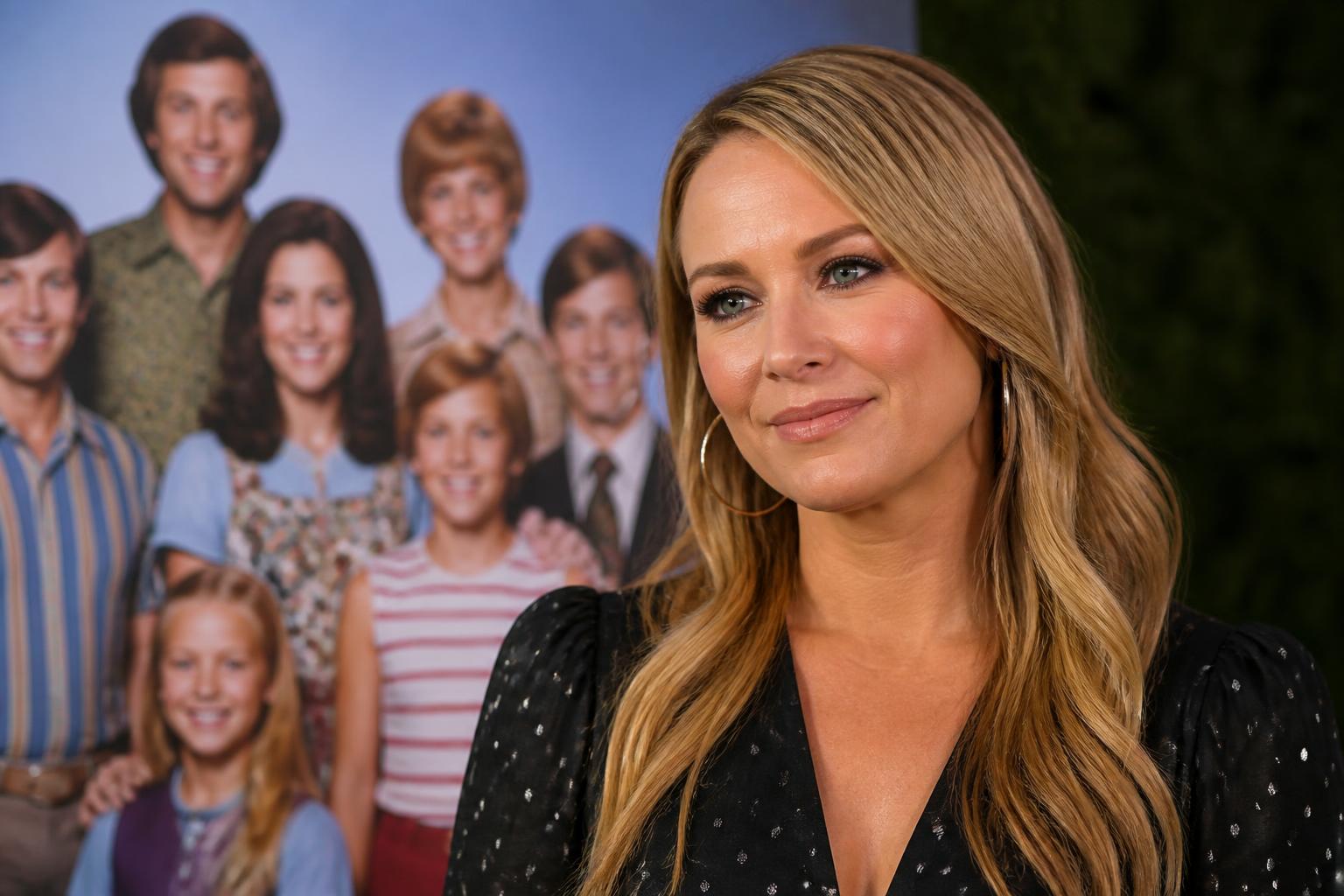
Christine Taylor Says ‘Brady Bunch’ Movie Asked for 10 Pounds
Christine Taylor is revisiting an early Hollywood indignity: according to reporting from Page Six, she says she was asked to lose 10 pounds for The Brady Bunch Movie. Taylor also pushed back on the premise behind the request, saying, “I was not a super heavy person.”
The detail is striking because the number itself is so specific—and because Taylor says the experience left her embarrassed. That makes this less a glossy behind-the-scenes anecdote than a snapshot of the appearance rules performers were expected to absorb, even when the demand felt disconnected from how they actually looked.
Us Weekly separately carried the same 10-pound claim, giving the story a second outlet in the reporting cluster. Still, the supplied coverage does not establish who made the request, whether Taylor ultimately lost the weight, or whether the production offered any response. Those gaps matter: the account supports Taylor’s recollection, but not a broader claim about the entire film set or everyone involved.
What gives the story staying power is the collision between a highly recognizable comedy property and a very unfunny workplace expectation. Taylor’s own wording keeps the focus where it belongs—not on grading her body, but on the pressure placed on it. A decade-spanning celebrity career can make an old studio demand newly legible, especially when the star is now describing the emotional cost in plain terms.
BAD GOSS assessment: this is credible retrospective celebrity testimony with corroborating coverage, but the reporting supplied here supports Taylor’s account—not every detail surrounding the request.
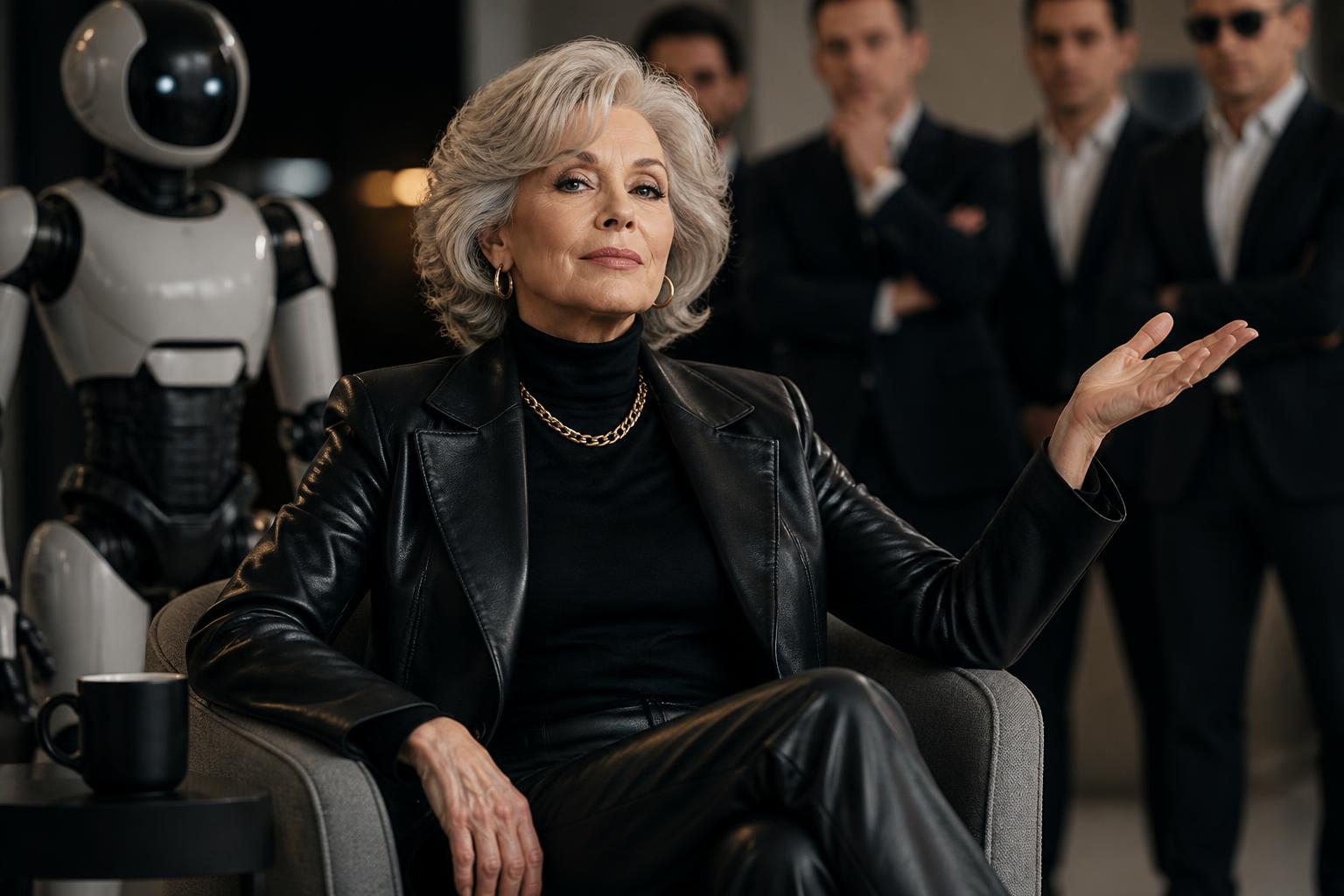
Jane Fonda’s Billionaire Roast Has One Target: Immortality
Jane Fonda is not interested in flattering the ultra-rich. According to coverage from Us Weekly and The Hollywood Reporter, Fonda criticized billionaires and “tech bros” over what she characterized as a desire to live forever.
The reported remarks went beyond a general swipe at wealth. The Hollywood Reporter identified the target group as “tech bros, oligarchs and billionaires,” while also reporting Fonda’s colorful prediction about robots becoming “their babies.” That gives the moment a distinctly Fonda flavor: less boardroom critique, more full-body rejection of the fantasy that money can eventually purchase a loophole around mortality.
There is no named billionaire feud here, and the supplied reporting does not identify a specific person Fonda was addressing. That matters. This is not a personal takedown of one mogul or a claim about a private relationship; it is a broadside aimed at a recognizable class of powerful people and its most futuristic ambitions.
The appeal of the story is the collision of celebrity candor and Silicon Valley-scale aspiration. Billionaires seeking longer lives is already a familiar subject, but Fonda’s framing turns the conversation from “Can technology extend life?” to “What kind of world would these people build if they could?” The robot-baby line pushes that critique into satire, making the reported comments memorable rather than merely predictable.
With two outlets in the story cluster carrying the same basic account, the remarks look more substantial than a stray internet rumor. Still, the available facts establish reported commentary—not a new campaign, a specific policy fight or a confirmed personal conflict. The headline-worthy development is Fonda’s blunt positioning: she is mocking the immortality project, not auditioning for it.