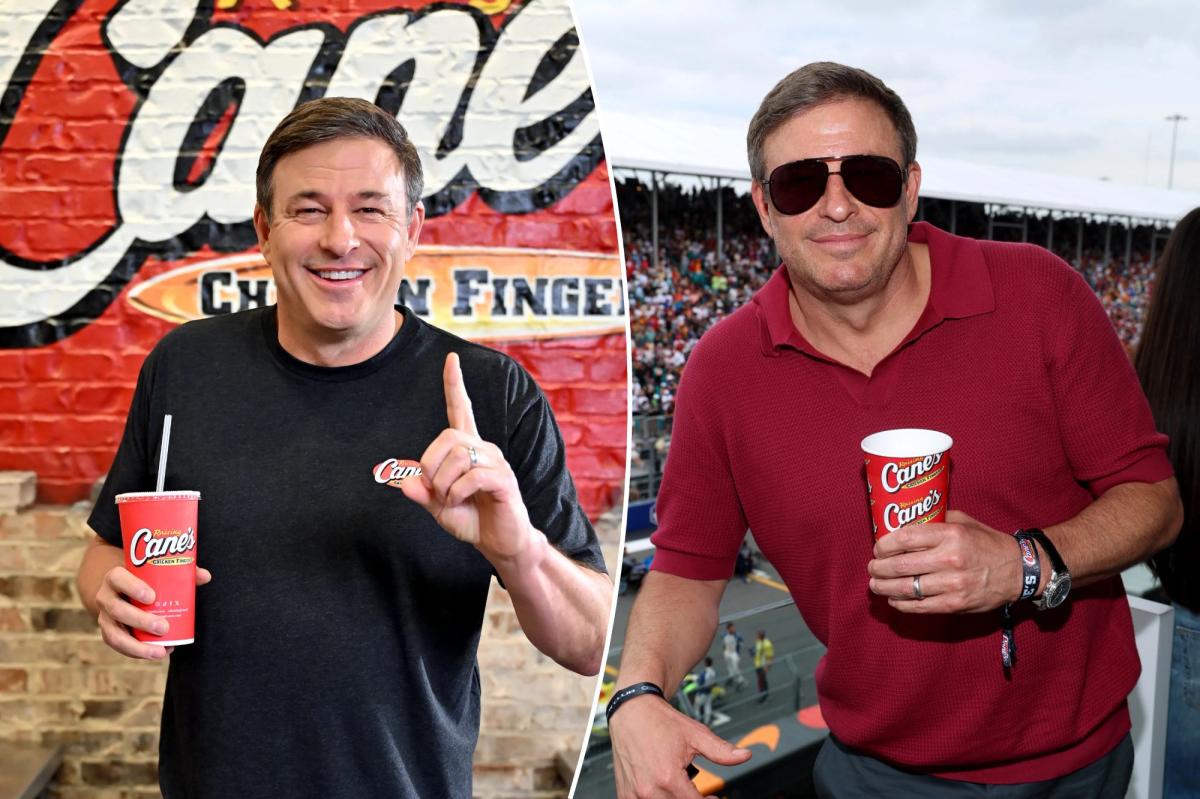
Raising Cane’s Owner Builds Himself a 30th-Anniversary Museum
Most restaurant chains celebrate a milestone with a limited-time menu item, a coupon or a suspiciously oversized cake. Raising Cane’s billionaire is apparently taking a more personal route: a pop-up museum devoted to the chain’s 30th anniversary — and, by extension, the man behind the celebration.
Page Six reports that the temporary exhibition is part of the anniversary festivities and that the businessman is also giving $20 million to a charity associated with Leonardo DiCaprio. That combination is almost aggressively on-brand for a celebrity-adjacent billionaire: one part institutional philanthropy, one part grand public spectacle, with a museum about the business sitting neatly between them.
The source does not provide a full inventory of the museum’s displays, so there is no responsible reason to pretend we know whether visitors will encounter vintage signage, personal memorabilia or a shrine to chicken fingers. What is clear is the framing. This is not simply a corporate anniversary activation; it is being presented as a showcase for the founder’s own story and the scale of the empire he built.
The DiCaprio connection gives the announcement a second lane of attention. A $20 million donation is the kind of number that can dominate the conversation even when the original occasion is a restaurant anniversary, while the actor’s charitable work lends the gift a distinctly Hollywood-facing sheen. The reported donation also shifts the event from pure self-celebration toward a more conventional philanthropic headline — although the museum remains the wonderfully eccentric centerpiece.
That tension is what makes the story irresistible. Billionaires rarely get accused of underthinking their birthday-party aesthetics, and a pop-up museum dedicated to a fast-food brand’s three-decade run is a louder flex than a commemorative press release. Raising Cane’s has turned a business milestone into a lifestyle moment, complete with celebrity charity optics and enough self-mythology to keep the internet fed.
For now, the details come from a single Page Six report, so the donation and exhibition should be treated as reported rather than independently verified by BAD GOSS. Still, if the plan is exactly as described, the chain’s 30th birthday is less “pass the sauce” and more “please admire the permanent legacy.”
Javier Bardem’s Oscars Remarks Draw FCC Complaints
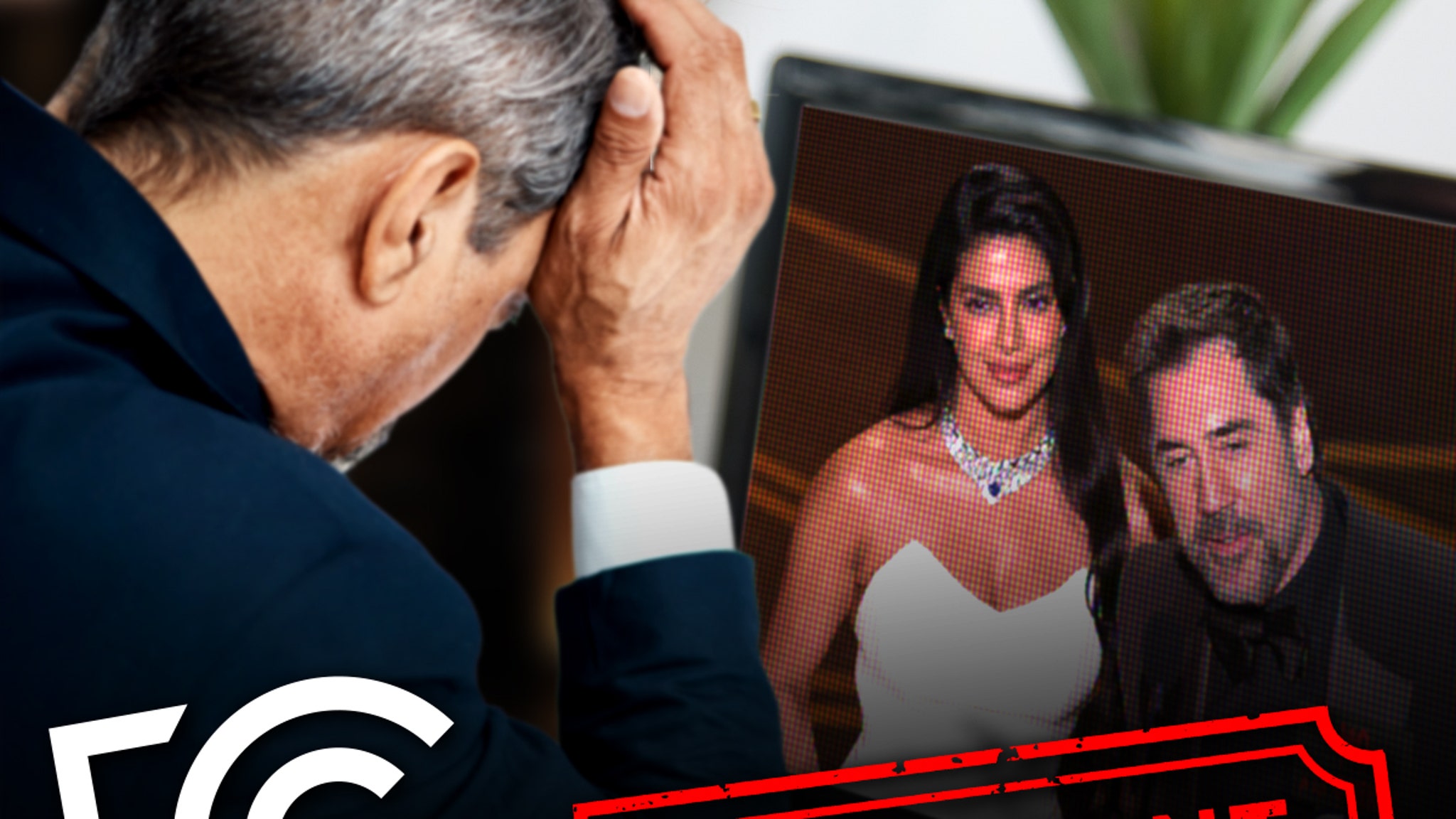
Javier Bardem’s Oscars appearance has moved from awards-show conversation into regulatory territory. TMZ reports that complaints were submitted to the Federal Communications Commission over the actor’s “Free Palestine” remarks during the 2026 Academy Awards.
That distinction matters. The reported development is the filing of complaints, not an FCC decision that Bardem or the broadcast violated any rule. A complaint can put an issue on the agency’s radar, but it does not establish wrongdoing, guarantee an investigation, or predict a penalty. At this stage, the controversy is about the reaction to Bardem’s words—not a formal government judgment on them.
The celebrity angle is obvious: the Oscars are designed to turn performances, speeches and thank-yous into highly visible cultural moments, and Bardem used that spotlight for a political message. “Free Palestine” is a phrase that carries enormous emotional and political weight, so even a brief mention was always likely to travel beyond the room and into the broader argument over what belongs on an entertainment broadcast.
It also places the FCC in an awkward role for pop-culture watchers. The agency is associated with communications regulation, while audiences often treat complaints as if they were verdicts. Those are very different things. The headline may be the existence of the filings, but the meaningful next question is whether the agency takes any formal action—and the available report does not establish that it has.
For Bardem, the episode underscores the trade-off that comes with using an awards stage as a political platform. The message reaches far more people than a conventional interview would, but it also invites scrutiny from viewers who believe televised ceremonies should stay apolitical, as well as from those who see the platform as a legitimate place for artists to speak about international issues.
So far, this is a controversy with a clear celebrity hook and an unresolved regulatory dimension. Bardem’s remarks are confirmed as the subject of the reported complaints; what those complaints lead to, if anything, remains open.
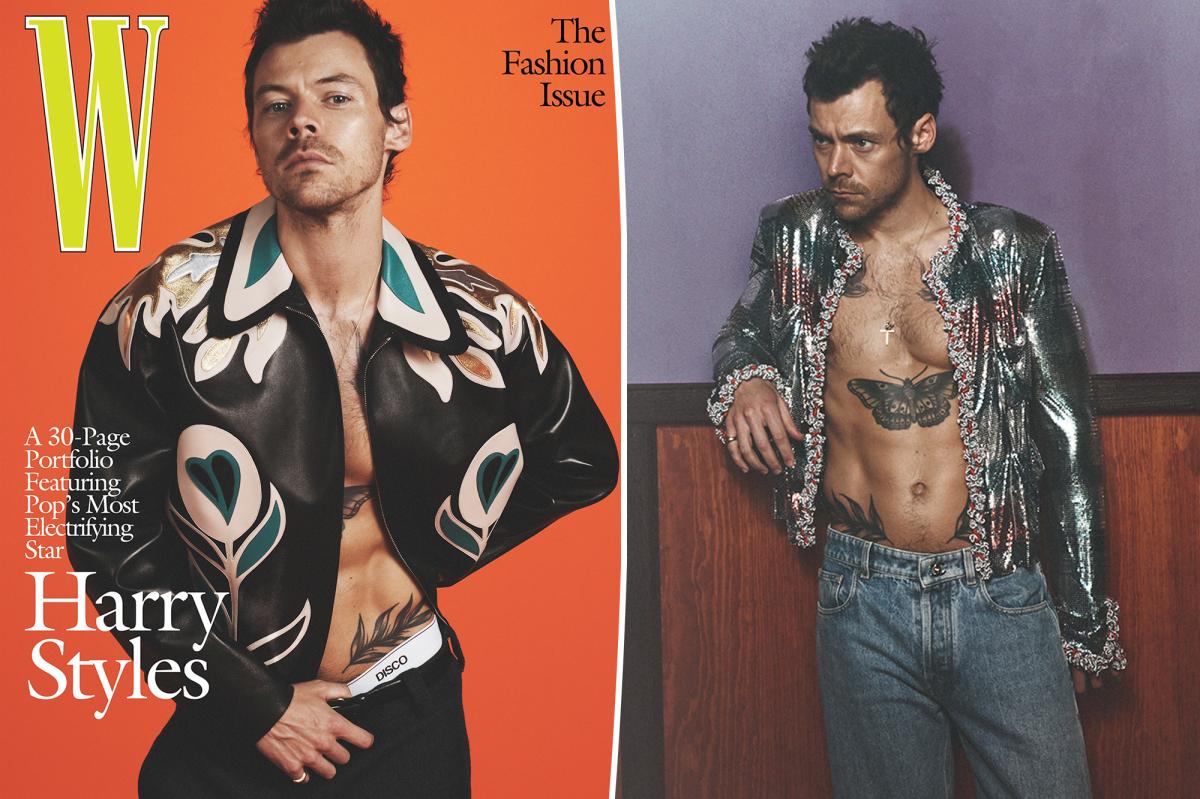
Harry Styles Trades His Shirt for Chanel in W Magazine
Harry Styles has once again made the shirt optional—and this time, Chanel is involved. Page Six reports that the singer appears shirtless in Chanel for W magazine’s September issue, giving the fashion title a very obvious cover-story advantage: one of pop’s most recognizable faces, styled in one of luxury’s most recognizable names.
The appeal is straightforward, but not exactly basic. Styles has long occupied the overlap between music celebrity and fashion fixation, where a wardrobe choice can become part of the headline rather than a footnote. A shirtless Chanel shoot turns that equation up a notch: the label supplies the polish, while Styles supplies the kind of visual hook that makes a September issue difficult to ignore.
There is also a neat bit of editorial strategy here. September fashion issues traditionally arrive with outsized expectations, and a celebrity image built around glamour, skin and a famous logo is designed to travel well beyond the magazine rack. Even before readers get to the full package, the pairing does the promotional heavy lifting. It is less a quiet style moment than a carefully calibrated collision of luxury branding and pop-star magnetism.
Crucially, the available report is about the shoot itself, not a new romance, scandal or musical announcement. That makes this a fashion story with a gossip-friendly silhouette—not a coded message waiting to be decoded. Styles in Chanel is enough of a headline without assigning secret meaning to every exposed collarbone.
For W, the move puts a major celebrity at the center of its September conversation. For Chanel, it links the house to a performer whose public image has always allowed room for both classic polish and a little provocation. And for Styles, it is another reminder that his celebrity operates on multiple runways at once: stage, screen, red carpet and, now, a magazine spread engineered to make people look twice.
Page Six is currently the sole source identified in this story cluster, so the details should be read as reported rather than independently verified by BAD GOSS. Still, the central hook is clear: Harry Styles, shirtless, in Chanel, for W. Some fashion math does not require a calculator.